How Much Does a Shipping Container Home Cost?


A used 40-foot shipping container costs about $2,000 to $6,000, and that low price fools more first-time buyers than anything else.
The box is the cheap part. Add land, permits, power, water, a septic system, a foundation, delivery, insulation, and the inside of the house, and most finished builds land between $150 and $350 per square foot. Even one 20-foot box turned into a tiny home can reach $25,000 to $60,000, and that is before you buy land.
So how much does a shipping container home cost once everything is counted? This guide follows the order you will meet the bills, so you can spot each surprise before it lands on your credit card. Give it about 8 minutes, and keep a notes app open for your own numbers.
How Much Does a Shipping Container Home Cost?
The box is the cheap part. These 4 numbers decide your real price.
-
The box is the small bill
A used 40 ft container runs $2,000 to $6,000. A finished home lands between $150 and $350 per sq ft.
-
Land and hookups come next
Land can cost more than the home. Power lines run $2,000 to $5,000, and septic runs $3,300 to $5,000.
-
Foundation and insulation add up
A slab under a 320 sq ft box costs about $1,800 to $4,300. Insulation runs $4 to $16 per sq ft.
-
Pad the plan before you build
Add 10 to 15 percent for surprises, then get 3 written quotes on the same floor plan.
Rough U.S. ranges. Prices vary by county and finish.
How Much Does a Shipping Container Home Cost at Each Size?
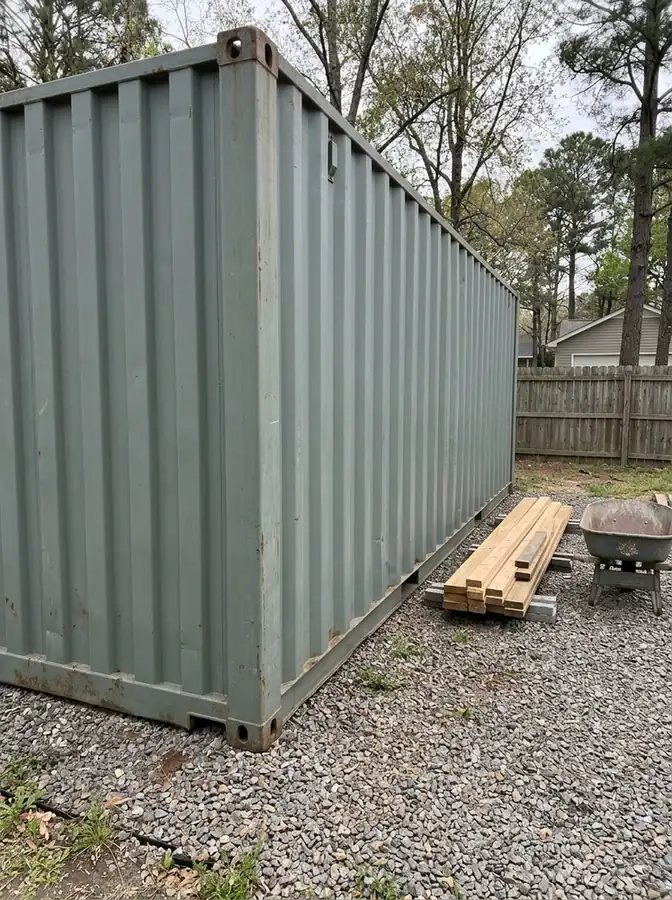
Current 2026 price guides put most finished container homes between $150 and $350 per square foot. That is close to what a small conventional build costs, so a steel box does not make the house cheap by itself.
Small homes also cost more per foot. A kitchen and a bathroom cost about the same in 160 square feet as they do in 600, so tiny floor plans carry a heavier price per foot.
Here are rough totals for the build itself, using that range, with land left out.
| Container setup | Living space | Rough finished cost |
|---|---|---|
| One 20 ft container | About 160 sq ft | $25,000 to $60,000 |
| One 40 ft container | About 320 sq ft | $50,000 to $110,000 |
| Two 40 ft containers | About 640 sq ft | $95,000 to $225,000 |
| Three 40 ft containers | About 960 sq ft | $145,000 to $335,000 |
Does the Container Itself Cost Much?
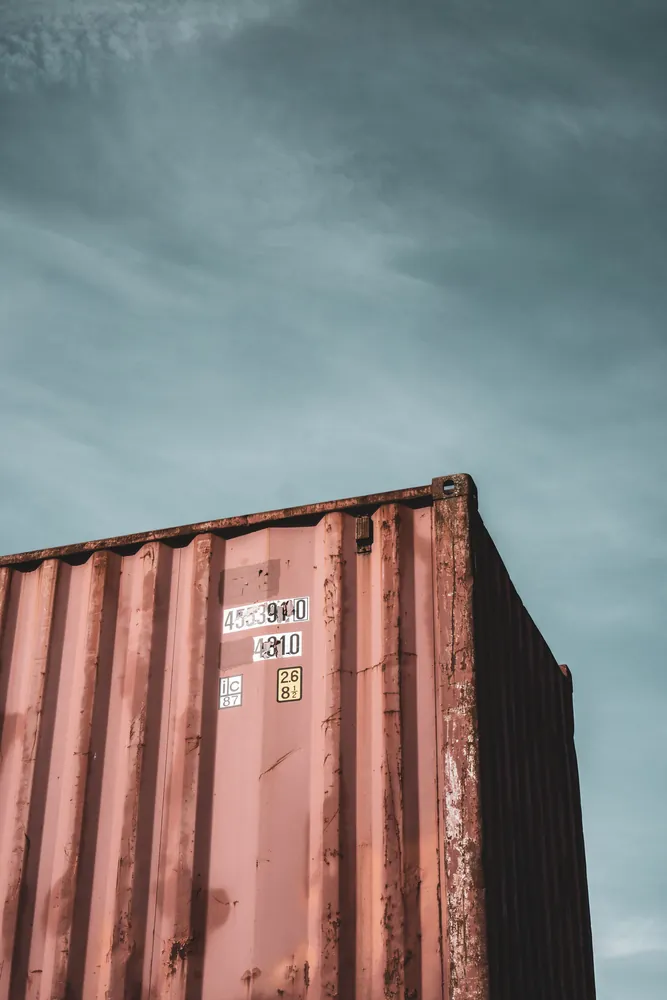
A used 40-foot container usually runs $2,000 to $6,000, and a used 20-foot costs about $1,500 to $3,000. One-trip boxes, the near-new kind that crossed the ocean once, often cost about double. Delivery adds another $300 to $2,000, depending on how far the truck drives.
On a tight budget, buy used and spend your money on a good inspection instead of fresh paint. Walk the box yourself and check:
- The corner posts and frame for bent or cracked steel
- The roof for dents that hold water
- The rubber door seals for tears or gaps
- The wood floor for soft spots and stains
Surface rust is normal on a used box. Rust that flakes all the way through the steel is not.
Land Can Cost More Than the Home

Myth: a container home is a clever way around a big housing bill. Reality: the lot is often the biggest check you write, and it can run from a few thousand dollars in the country to six figures near a city.
Zoning matters even more than price. Some counties ban container homes, or set rules on minimum size, roof style, or siding. Call the county planning office before you make an offer and ask if a metal shipping container dwelling is allowed on that exact parcel. Get the answer in writing.
Ask the seller for a recent survey too. If the corners are already staked, the boundary is marked, and a copy can save you a new survey fee.
What Do Permits, Utilities, and Septic Add?
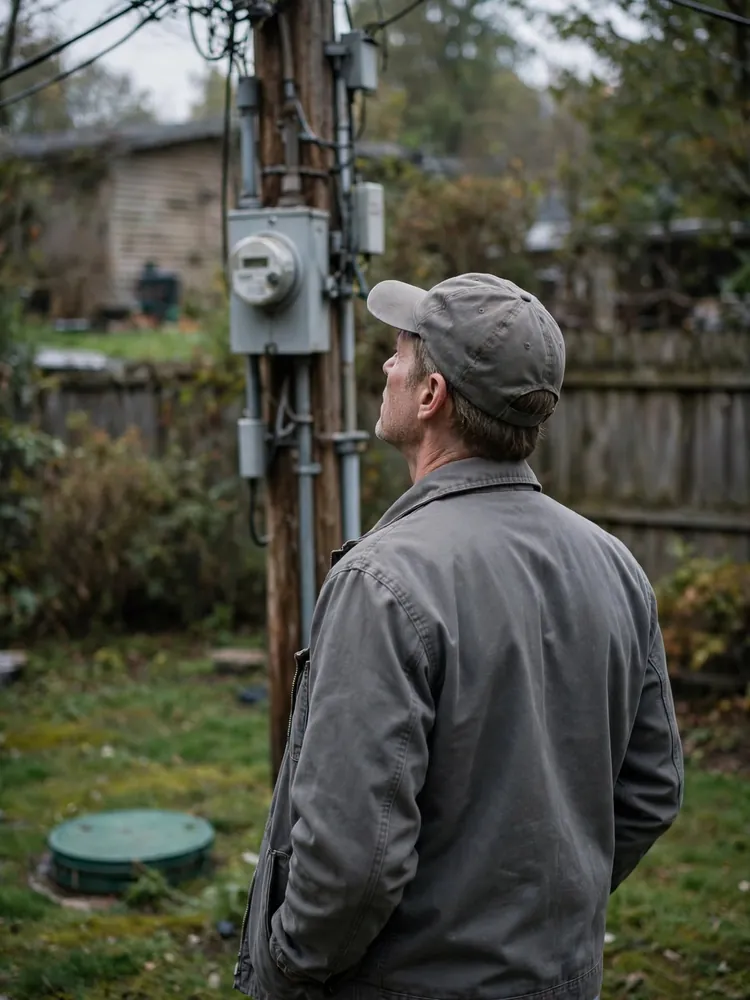
Say you find a lot where the nearest power pole sits 600 feet away. Running new power lines to a rural property typically costs $2,000 to $5,000, and that bill shows up before you hang a single light.
Water and waste come next. A septic system commonly runs $3,300 to $5,000, and poor soil can push it higher. If a city sewer line is close, expect $50 to $200 per linear foot to connect. Permit fees are set by each county, and building, electrical, and plumbing permits are often separate. Ask the building office for its fee sheet.
Foundation and Delivery Fees Hit Before Day One

Do this: set the container on concrete piers or a slab poured by a pro. Not that: drop it on bare dirt and hope the ground holds.
Foundations run about $4 to $25 per square foot, depending on the type. A basic slab under a 320-square-foot container lands around $1,800 to $4,300. Piers usually cost less, but the ground has to be firm and level, and a gravel pad around them keeps trucks and crews from sinking in.
Delivery day adds its own bill. A flatbed truck brings the box, and a crane or tilt-bed truck sets it down. Tell the driver about:
- Low tree branches or power lines overhead
- Tight gates or sharp turns on the way in
- Soft or muddy ground where the truck will park
- Open room to swing a crane
Insulation Is the Cost Nobody Budgets For
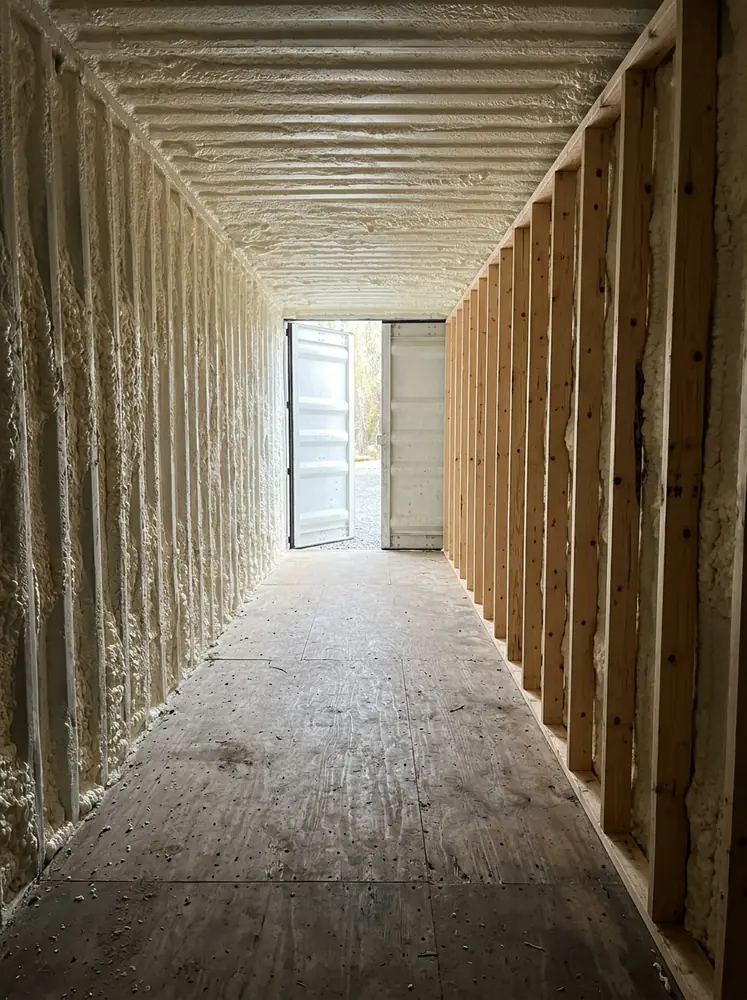
Bare steel bakes in summer, freezes in winter, and sweats when warm indoor air touches a cold wall. That moisture is how rust and mold start. Insulation installation runs about $4 to $16 per square foot across the common types.
There is a trade-off inside the box, too. A container starts around 7 feet 8 inches wide inside, and every inch of insulation and framing on each wall takes an inch of that width. Spray foam is the usual pick because it seals the gaps and stays thin. Here is how the three common types compare.
| Insulation type | Rough cost | Watch for |
|---|---|---|
| Closed-cell spray foam | $2,500 to $4,000 for one 40 ft box | Needs a trained installer |
| Rigid foam board | Lower material cost, more labor time | Every seam must be sealed |
| Fiberglass batts | Lowest material cost | Traps moisture against steel without a vapor barrier |
Build It Yourself or Hire a Builder?

Labor is the biggest price lever you control. Doing the work yourself can save real money, but cutting steel for doors and windows takes a welder, and one bad cut can cost more than the labor you saved. Most first-timers land in the middle: they manage the project and hire pros for steel work, wiring, and plumbing.
These rough ranges show how the three paths stack up.
| Build path | Rough cost per sq ft | What you handle |
|---|---|---|
| DIY | $120 to $200 | Nearly everything, including permits and inspections |
| Hybrid | $150 to $250 | You manage, pros do steel, electrical, and plumbing |
| Builder-built | $250 to $350 or more | Design choices and payments |
Can You Finance a Container Home?

Call at least 3 lenders before you buy anything. Many banks treat container homes as non-standard construction, and appraisers often have no nearby sales to compare, so a regular mortgage can be hard to get.
The routes that do work include a construction-to-permanent loan, a home equity loan or line of credit if you already own property, an FHA 203(k) loan for a home on a permanent foundation, and a personal loan for a small build. Expect lenders to ask for permitted plans, an engineer’s review, contractor bids, and a licensed builder. Bring all of it in one folder.
Get Three Written Quotes Before You Spend a Dollar
Write down every line from the container to the last light fixture, then add 10 to 15 percent on top for surprises.
Your next step is to ask 3 builders for written quotes on the same floor plan. When the numbers are side by side, the real price shows up fast.
Save this pin so your budget list is ready the day you start making calls.
How Much Does a Shipping Container Home Cost? Your Questions Answered
Is a container home cheaper than a regular house?
Not by much. Container homes often run $150 to $350 per square foot, while traditional builds run about $200 to $400. The savings show up when you keep the plan small and simple.
How long does it take to build one?
A small, simple build can take a few weeks of crew time, and larger homes take a few months. Permit approval can add more, so ask your county for its usual wait.
Can I build one for under $50,000?
Yes, a small single-container build on land you already own, with a lot of DIY work, can come in under that. Add land, utilities, or a builder, and the number climbs fast.
What if my county says no to container homes?
Ask the planning office about a variance, or look at land in a nearby county that allows them. Do not buy the lot until you have the answer in writing.
How much cushion should I add for surprises?
Add 10 to 15 percent to your total. Drainage work, foundation fixes, and roof upgrades are the bills that most often show up late.