
Paint Coverage Calculator
Exactly how much paint you need — no over-buying, no running out mid-wall
Your Paint Shopping List
How to Use a Paint Coverage Calculator (And Why It Actually Matters)
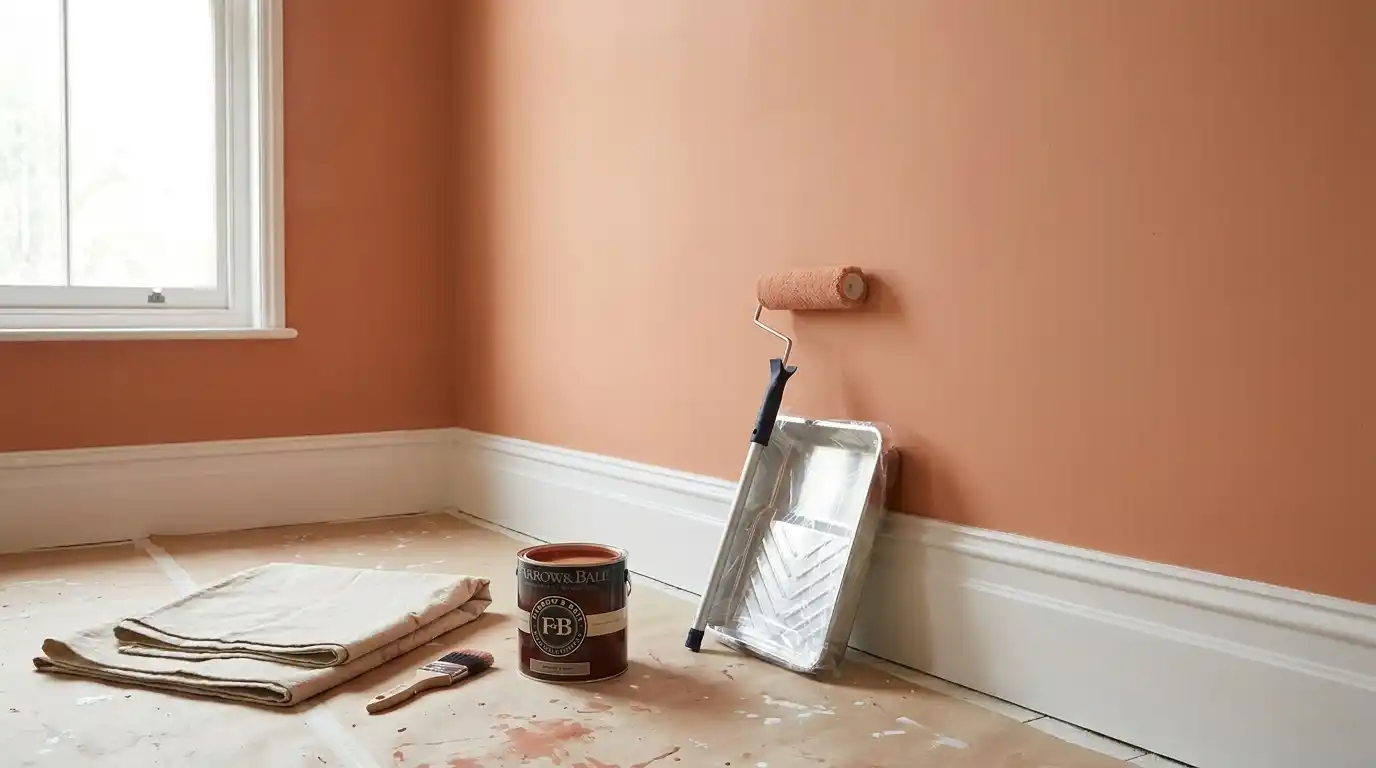
So you’ve decided to repaint a room. You’ve picked the colour, maybe bought a test pot, and now you’re staring down the barrel of the most confusing part of the whole project: how much paint do you actually need?
Most people guess. They grab a couple of tins, hope for the best, and either run out halfway through the second coat or end up with three unopened litres gathering dust in the garage. A paint coverage calculator takes the guesswork out entirely — and once you understand how it works, you’ll never over-buy again.
What a Paint Coverage Calculator Does
At its core, a paint calculator does simple geometry: it works out the total paintable surface area of your room, accounts for doors and windows you won’t be painting, applies your chosen number of coats, and then converts that into litres based on how far a paint typically spreads.
The key variable is coverage rate — measured in square metres per litre (m²/L). Different paint types spread differently:
- Matt and flat emulsions typically cover around 12–14 m² per litre
- Eggshell and satin finishes sit around 11–12 m²
- Gloss paints (for trim and doors) often achieve 13–14 m² but require more careful application
A good calculator factors all of this in automatically, so you’re not doing the maths on your phone in the paint aisle.
Inputting Your Room Dimensions
Measure your room length, width, and ceiling height. If you’re working in feet, convert to metres for consistency — most coverage rates are quoted in metric. The calculator then works out your wall area using a formula like:
Wall area = 2 × (length + width) × height
Then it subtracts deductions for doors (roughly 1.7 m² each) and windows (roughly 1.2 m² each). These aren’t huge numbers individually, but in a room with two doors and three windows, you’re looking at nearly 7 m² of area you don’t need to paint — which can add up to almost a litre of paint saved.
Surface Condition Changes Everything
One of the most overlooked variables in paint calculations is surface condition. A freshly plastered wall absorbs significantly more paint than a previously painted surface in good condition — up to 40–50% more per coat. This is why painting bare plaster and painting over last year’s colour are genuinely different jobs, not just cosmetically, but mathematically.
The surface condition multiplier typically works like this:
| Surface Type | Absorption Factor |
|---|---|
| Smooth / primed | Low (save ~10%) |
| Previously painted — good | Standard baseline |
| Previously painted — repairs | +20% |
| New or bare plaster | +40% |
| Textured / rough surface | +50% |
Bare plaster also calls for a mist coat — a heavily diluted first coat (roughly 10% water to 90% emulsion) that seals the surface before you apply proper paint. Miss this step and your topcoats will look patchy and may eventually flake.
The Case for Primer
Primer gets skipped more than it should. People see it as an extra expense and an extra step — but on new plaster, bare wood, or when making a dramatic colour change (say, deep red to pale grey), it’s not optional. It’s what makes the topcoat look even and adhere properly.
A single coat of primer on new plaster will save you a coat of expensive topcoat paint. Over a large room, that’s a real saving — both in money and in drying time.
The calculator lets you choose no primer, one coat, or two coats, and adjusts the total litres accordingly.
Wastage: Why You Should Always Add a Buffer
Perfect efficiency is a myth in painting. You’ll lose paint to the brush and roller, to drips, to cutting in, and to the inevitable “touch-up” six months from now. A 10–15% overage buffer is standard industry practice.
At 10%, you’re adding about half a litre per 5 litres of paint needed — a modest insurance policy. At 25%, you’re being cautious (appropriate if you’re using a custom-mixed colour that can’t be easily remixed later).
The buffer also ensures you have enough to go back and do proper touch-ups after the furniture goes back in and you spot the marks you missed.
Reading the Output
Once the calculator runs, you get a breakdown by product — wall primer, wall topcoat, ceiling paint, trim gloss — each with a recommended can configuration. The algorithm finds the combination of standard can sizes (0.75L, 1L, 2.5L, 5L, 10L) that minimises waste while covering your needs.
For example, if you need 3.8 litres of wall paint, buying a 2.5L and a 1L (3.5L total, short) is worse than a single 5L — which gives you 1.2L of leftover paint for touch-ups. The calculator makes this call automatically.
One Practical Tip Most People Miss
When you go to buy your paint, check that all the cans come from the same batch — there’s a batch number printed on the lid. Paint is mixed in batches, and tiny colour variations between batches are invisible in the tin but visible on your wall once it’s dry. Buy everything at once, same batch, same shop.
For leftover paint, press a sheet of cling film directly onto the paint surface before sealing the lid. It keeps it usable for touch-ups for two to three years.
The Bottom Line
A paint coverage calculator won’t make you a better painter, but it will make you a smarter one. You’ll spend less money, waste less material, and walk into the project knowing exactly what you’re working with. For most rooms, the difference between a rough guess and a calculated estimate is one to two unnecessary cans of paint — and the quiet satisfaction of finishing the job with just enough.