
How to Get Rid of Mosquitoes in Backyard Naturally

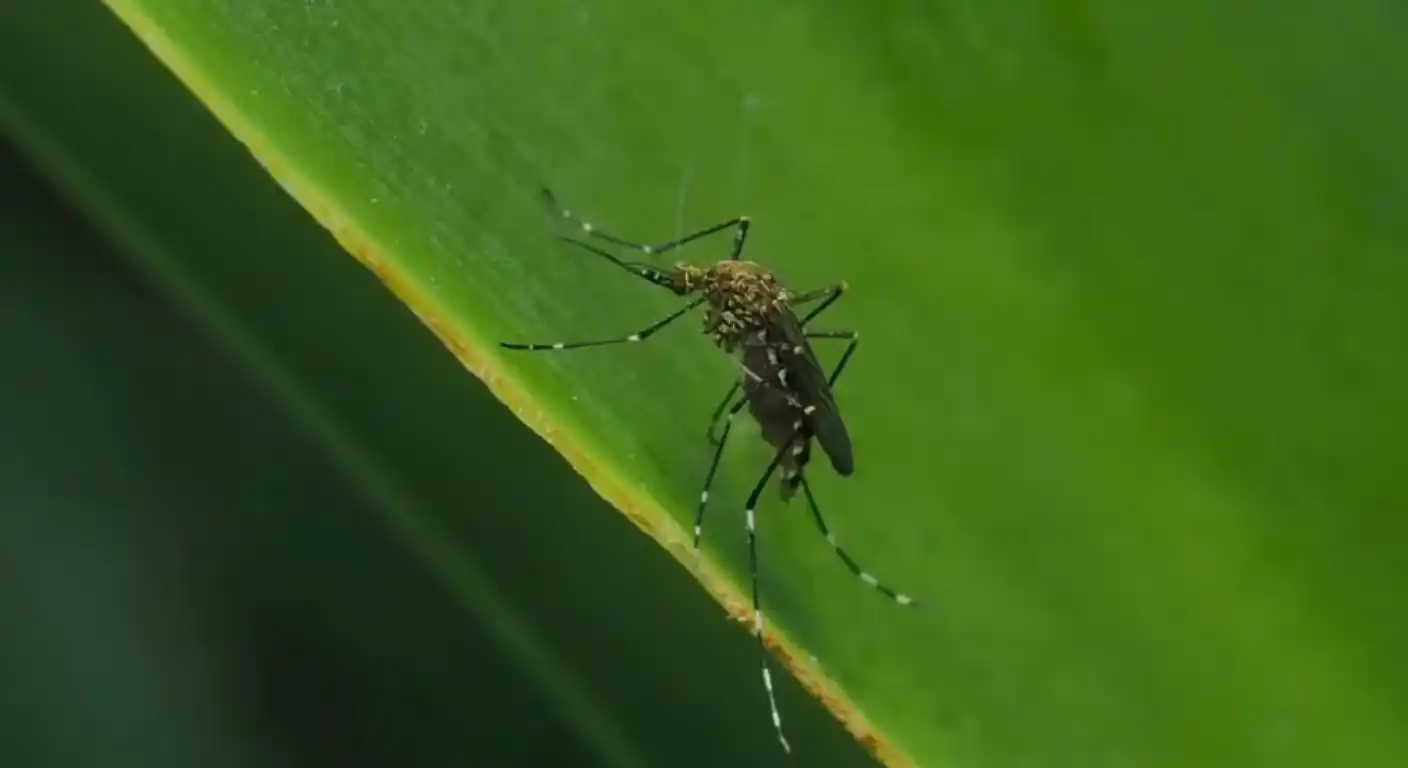
Eliminate mosquitoes from your yard without toxic chemicals by removing standing water, using natural repellents, planting mosquito-repelling herbs, and deploying biological controls like BTI bacterium that safely kills larvae.
Picture this: You’re finally settling into your backyard chair on a warm evening when the familiar buzzing starts. Within minutes, mosquitoes transform your peaceful retreat into a combat zone.
The good news? You can reclaim your outdoor space without harsh chemicals.
Natural mosquito control focuses on eliminating breeding grounds, disrupting their sensory cues, and using eco-friendly solutions that protect your family and the environment.
Why Standing Water is Your Biggest Enemy
Mosquitoes need water to complete their life cycle—eggs hatch in water, larvae develop in water, and they breed nowhere else.
Eliminating standing water in your yard is essential for prevention, as mosquitoes need water to complete their life cycle.
Water trapped in blocked roof gutters, drains and tarpaulin covering boats and trailers can be a great home for mosquitoes, and mosquitoes can exploit the tiniest of water sources—it may just be the upturned lid of a discarded plastic drink bottle.
Action steps:
- Empty bird baths and flower pots weekly
- Clean gutters and downspouts monthly
- Drain water from poolside toys, buckets, and wheelbarrows
- Fix leaky outdoor faucets
- Cover rain barrels with tight-fitting screens
- Remove standing water from tarps and unused containers
Best Natural Mosquito-Repelling Plants
Plants like citronella, lavender, and marigolds emit natural scents that disrupt a mosquito’s ability to locate humans.
Citronella, lavender, and marigolds are all excellent choices for mosquito control, and planting them in your garden or in pots around your outdoor space will help deter mosquitoes from coming near.
Top Mosquito-Repelling Herbs and Flowers
Citronella is a well-known mosquito repellent often used in candles and sprays, and planting citronella in your garden can provide a natural barrier.
Lavender is an insect-repelling plant—the essential oils in lavender plants act as a natural insect repellent.
Marigolds contain pyrethrum, an ingredient found in many insect repellents, and placing marigolds around patios and doorways can help deter mosquitoes.
Other effective options:
- Basil and rosemary (dual-purpose—cook with them too!)
- Lemon balm and lemongrass
- Catnip and mint
- Cedar bushes
Plant these around seating areas, patios, and along garden edges for maximum protection. The key is proximity—mosquitoes must encounter the plants to feel their repellent effects.
The Best Homemade Mosquito Repellent Spray Recipes
DIY mosquito sprays combining essential oils, vinegar, and water are nearly as effective as commercial products and contain zero toxic chemicals.
Simple Lavender & Vinegar Spray
Combine around 15 drops of lavender essential oil with two tablespoons of distilled water and two tablespoons of apple cider vinegar in a spray bottle and shake.
Linalool in lavender is the active ingredient responsible for repelling mosquitoes since it interferes with their sensory perception.
Lemon Eucalyptus Spray
Carefully add 30-40 drops of lemon eucalyptus oil into a bowl as the first step to creating your DIY mosquito repellent.
Mix with 2 tablespoons of witch hazel or apple cider vinegar and 1 cup of distilled water.
Multi-Oil Blend Recipe
In a spray bottle, combine witch hazel or apple cider vinegar with distilled water as a base for the repellent, then add 30-40 drops of essential oils.
You can choose a single oil or create a blend using citronella, lemon eucalyptus, peppermint, and lavender—all effective choices.
Application tips:
- Shake well before each use
- Reapply every 2-3 hours or after swimming
- Spray exposed skin and clothing
- Store in cool, dark places for maximum potency
- Most homemade blends remain effective for 1-2 months
Use Biological Controls: The BTI Solution
Bacillus thuringiensis israelensis (BTI) is a naturally occurring bacterium that kills mosquito larvae without harming humans, pets, birds, or beneficial insects.
BTI (Bacillus thuringiensis israelensis) is a naturally occurring bacterium in soil that causes mosquito larvae to stop eating and die.
This biological control is highly targeted, and BTI doesn’t affect mammals, birds, or fish, and is unlikely to affect non-target insects when applied correctly.
How to Use BTI in Your Yard
Mosquito dunks are small, doughnut-shaped tablets that contain BTI. Place these dunks in any standing water around your pool, such as in pool covers, bird baths, or flower pots.
Best applications:
- Rain barrels and water collection systems
- Ornamental ponds and fountains
- Bird baths (change water weekly regardless)
- Any container holding water for more than 3 days
Yard Maintenance & Shade Management
Mosquitoes rest in cool, shady areas during the day; trimming vegetation and improving air circulation makes your yard inhospitable to them.
Mosquitoes easily dehydrate in direct sunlight, so they seek refuge in cool, shaded areas.
By reducing dense shade like vegetation, you expose them to heat and naturally reduce their population.
Focus on clearing yard debris, leaf litter, and grass clippings which hold moisture and create damp shade, and thin out thick woody shrubs and ground covers like English ivy.
Maintenance checklist:
- Mow lawn weekly to 2-3 inches
- Prune bushes and shrubs to increase airflow
- Clear leaf litter and debris regularly
- Trim tall grass near patios and seating areas
- Remove dead vegetation and branches
Attract Natural Predators
Birds, bats, dragonflies, and mosquito fish are nature’s pest control squad—each can eliminate hundreds of mosquitoes daily.
Birds, bats, and dragonflies are natural predators that feed on mosquitoes. Attracting these animals to your yard by hanging bird feeders or installing bat houses will help reduce the number of mosquitoes buzzing around.
How to attract beneficial predators:
- Install bat houses 8-15 feet high
- Hang bird feeders with native plants nearby
- Create shallow water features for dragonflies
- Avoid pesticides that kill beneficial insects
- Plant native flowering plants for pollinators
Mosquito Control in Swimming Pools
Properly maintained pools with circulation and chemical balance actively deter mosquito breeding while biological controls tackle larvae in surrounding areas.
Properly maintaining your pool with chlorine and a pool filter system can help deter mosquitoes.
Additionally, mounting a fan above your pool or using a box fan when outside prevents mosquitoes from approaching, as they will steer clear of the wind.
Pool-Specific Strategies
Sustain pristine pool water by routinely skimming debris, preventing stagnant water that mosquitoes favor for breeding.
Invest in well-fitted pool covers when your pool is idle, and consider introducing mosquito dunks into pool water to target mosquito larvae.
Additional pool protection:
- Keep pool filters running regularly
- Skim leaves and debris daily
- Maintain proper chlorine levels
- Use pool covers when not in use
- Install oscillating fans near the pool area
- Plant mosquito-repelling herbs around the pool perimeter
DIY Mosquito Traps & Physical Barriers
Simple traps using yeast and sugar create carbon dioxide that attracts and traps mosquitoes, while screens and nets create protective zones.
Sugar & Yeast Trap
Mix sugar and warm water in a container, then add yeast. The yeast will produce carbon dioxide, attracting mosquitoes.
Once inside the container, they will drown in the water.
Cut a plastic bottle in half and invert the top portion into the bottom portion, creating a funnel, then fill the bottom with a mixture of water, sugar, and yeast.
Physical Barriers
If you have a porch or patio area, consider installing mosquito nets or screens to create a protective barrier between you and the insects. Ensure the nets or screens are in good condition without any tears or holes.
Additional protection tactics:
- Wear long sleeves and pants at dawn and dusk
- Use lightweight, light-colored clothing (dark attracts mosquitoes)
- Install screens on windows and doors
- Repair any gaps in existing screens
Quick Comparison Table: Natural Mosquito Control Methods
| Method | Effectiveness | Timeline | Cost | Maintenance |
|---|---|---|---|---|
| Remove standing water | Very High | Immediate | Low | Weekly |
| Plant repellent herbs | Moderate | 4-6 weeks | Low | Regular watering |
| BTI larval control | High | 24-48 hours | Low-Moderate | Monthly |
| Homemade sprays | Moderate-High | Immediate | Very Low | Every 2-3 hours |
| Attract predators | Moderate | Ongoing | Low | Seasonal setup |
| Yard maintenance | Moderate-High | Varies | Low | Weekly |
Closing Thoughts
Reclaiming your backyard from mosquitoes doesn’t require dangerous chemicals or expensive treatments.
By combining multiple natural strategies—eliminating water sources, planting protective herbs, using biological controls, and maintaining your yard—you create an environment where mosquitoes can’t thrive.
The best approach combines prevention with active management, allowing you to enjoy bug-free evenings all season long.
FAQs
Q: How long does homemade mosquito spray last on skin?
A: Most natural sprays provide 2-3 hours of protection; reapply after swimming or heavy sweating.
Q: Can I use essential oils directly on my skin?
A: No—always dilute essential oils with water, vinegar, or a carrier oil to avoid skin irritation.
Q: Is BTI safe for pets and children?
A: Yes, BTI is safe for mammals, birds, and fish and is unlikely to affect non-target insects when applied correctly.
Q: What’s the best time to apply mosquito repellent?
A: Apply 15 minutes before going outside, especially at dawn and dusk when mosquitoes are most active.
Q: Do mosquito-repelling plants alone stop mosquitoes?
A: No single method works alone; combine plant-based deterrents with other strategies for maximum effectiveness.
