13 Ground Level Deck Ideas to Maximize Small Yards and Outdoor Living

Dreaming of a backyard retreat without the stairs? Check out these Ground Level Deck Ideas for easy, elegant outdoor living.
When we bought our first home, the backyard felt like a blank canvas. There was grass, sure, but nothing that made me want to sit outside with a cup of coffee or host summer barbecues.
That’s when I started dreaming about a ground-level deck — something simple, inviting, and easy to enjoy without feeling like a huge renovation project.
Ground-level decks are perfect for creating a seamless indoor-outdoor flow, offering a cozy spot for lounging, dining, or even gardening.
The best part? They can fit almost any backyard size and style.
In this article, we’ve gathered 13 inspiring ground-level deck ideas that will transform your outdoor space into a charming, functional retreat — whether your style is modern, rustic, or somewhere in between.
Classic wooden deck with built-in bench seating
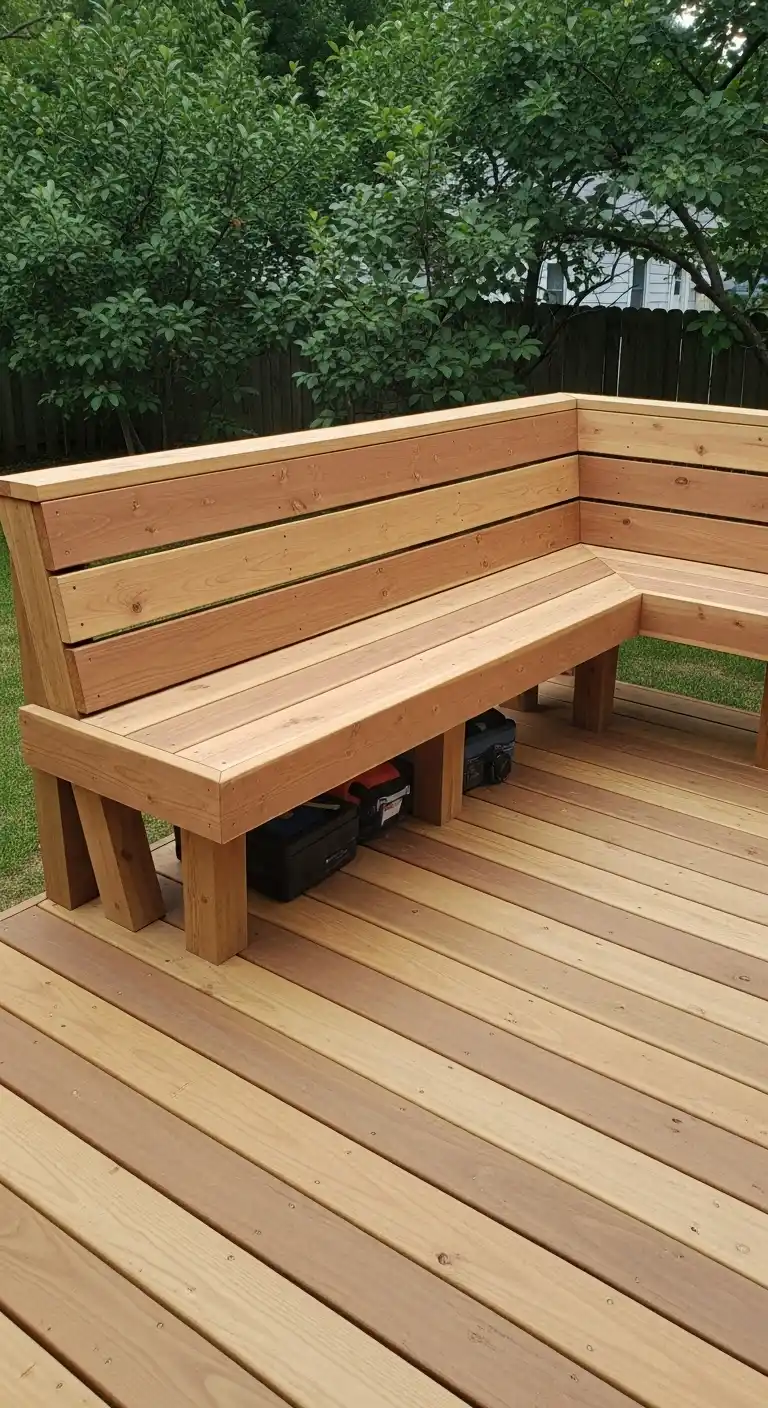
I love classic wooden decks for their warm, natural vibe and how easy they are to fix. Built-in benches save space and make the whole thing look neat.
Cedar or pressure-treated pine usually holds up well. If I can, I tuck in some storage under the bench for cushions and tools.
Simple, straight lines and a low profile keep the deck grounded and tidy.
I add a slight overhang to the bench seat for comfort and to make sweeping off crumbs easier.
Pergola-covered ground-level deck for shade
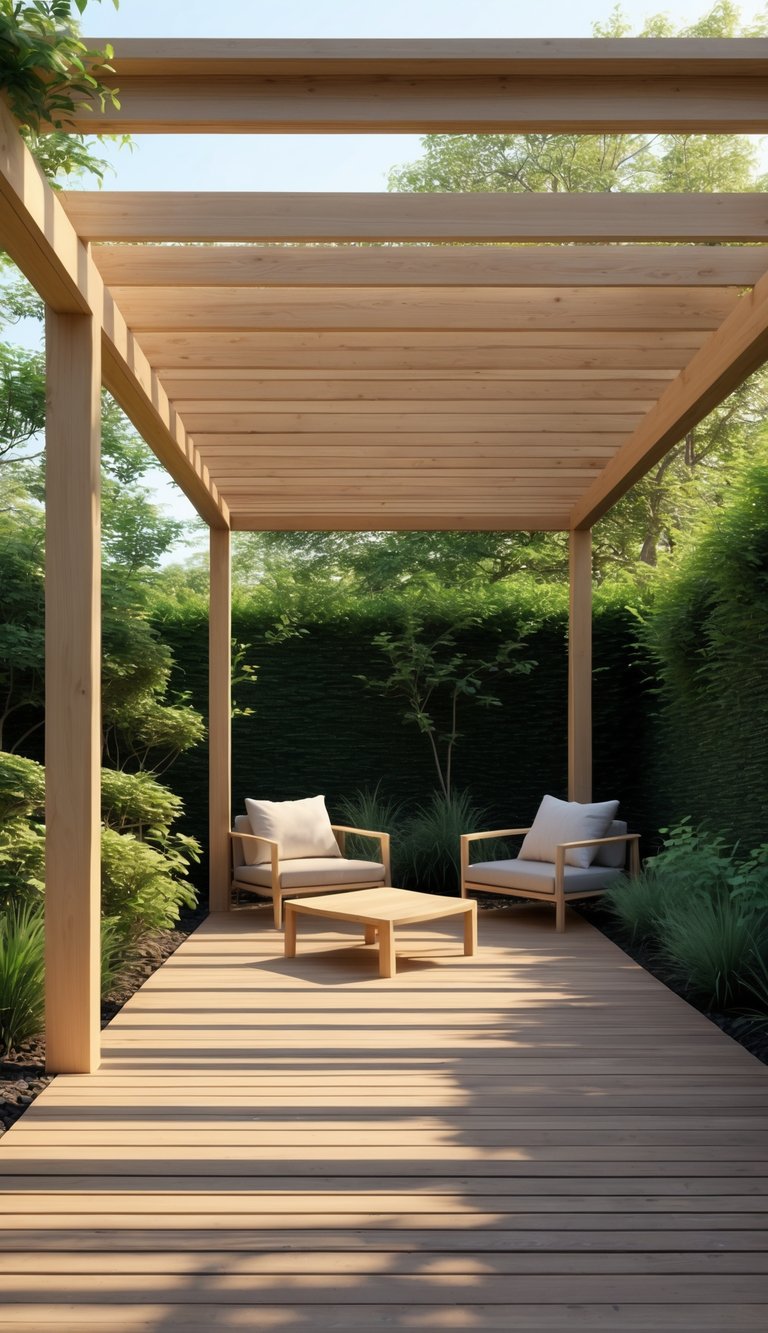
A pergola adds just enough shade and structure without boxing in the deck.
It softens sunlight but keeps the breeze moving, so the spot stays comfortable.
I anchor the posts to the deck frame or right into the ground for stability.
Adjustable louvers or climbing vines let me tweak the amount of sun and privacy—super handy when the weather changes.
Deck with integrated planter boxes
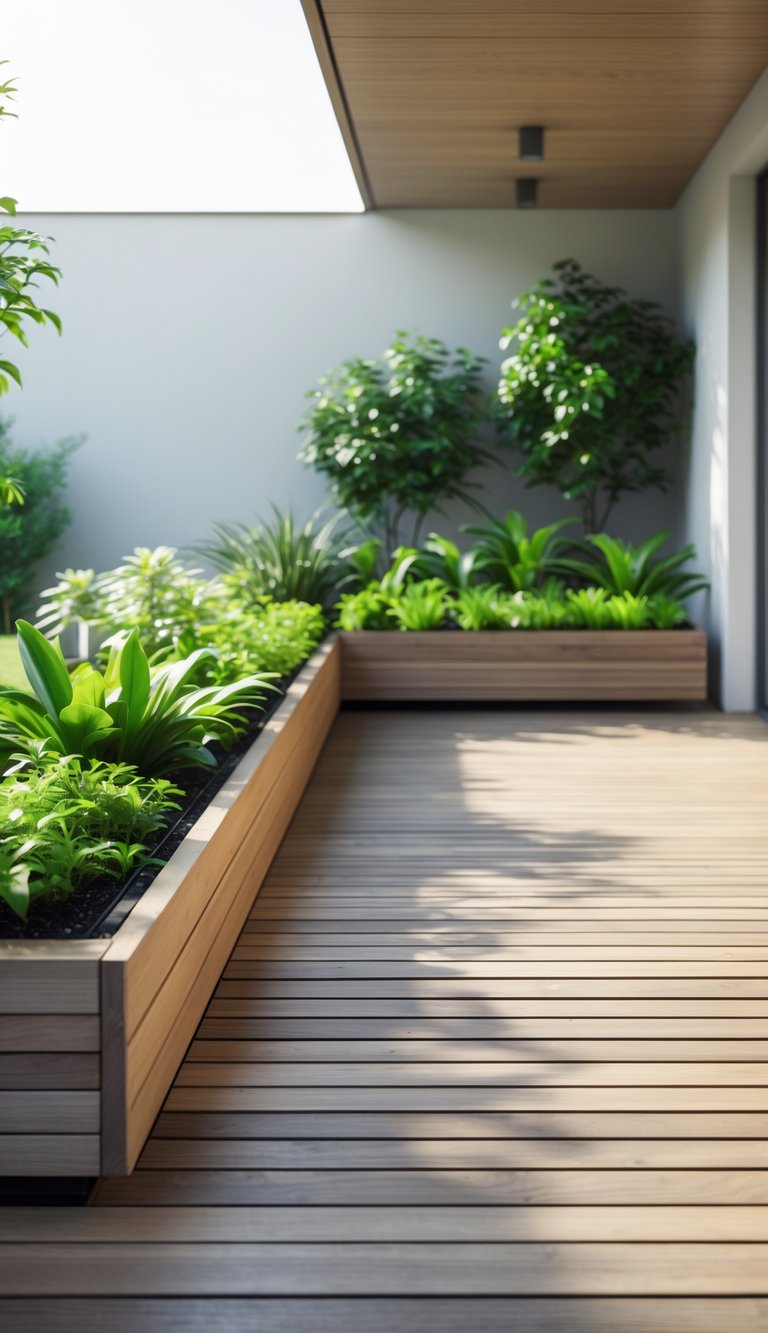
Decks with integrated planter boxes add greenery without cluttering up the space with extra pots.
Plants stay close to where you sit and walk, which feels lush but efficient.
I go for sturdy woods like cedar or ipe so the boxes last. A self-watering insert makes life easier—less time spent lugging the watering can around.
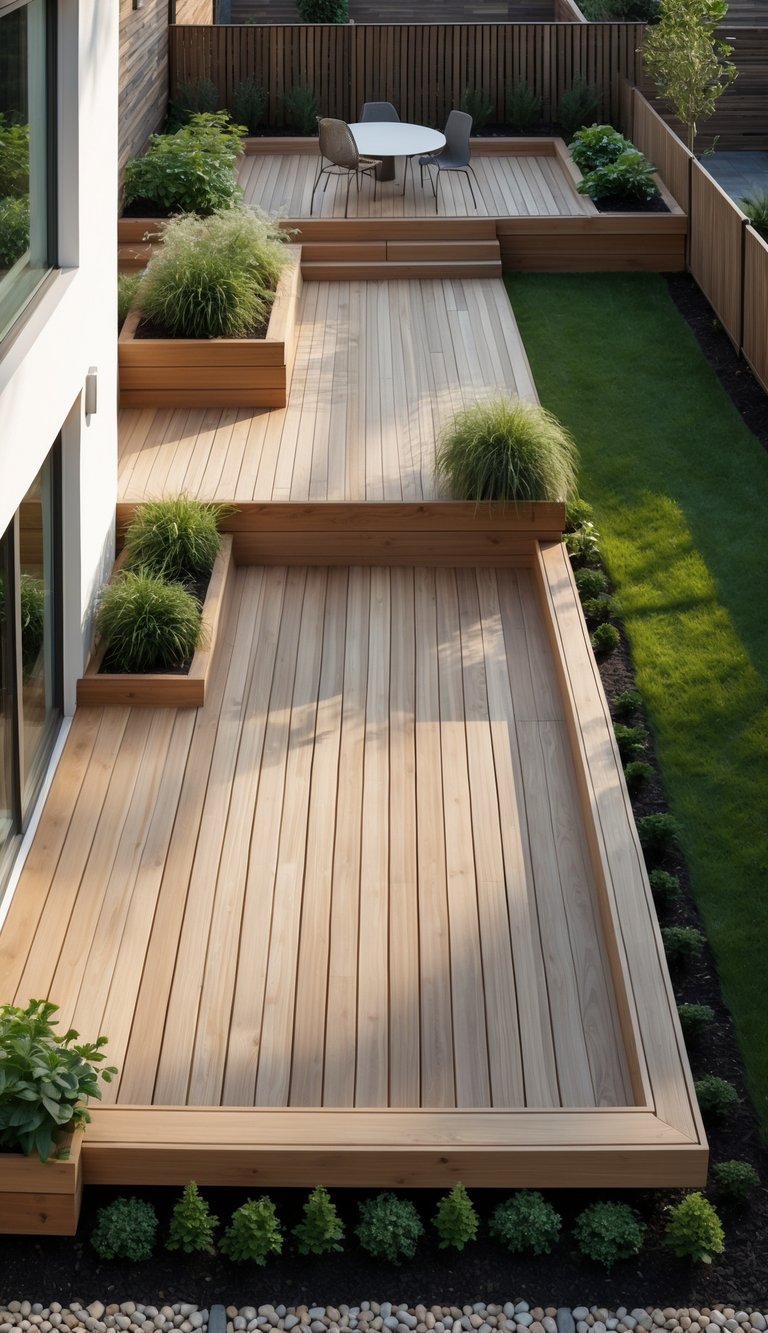
Multi-tiered deck to maximize small yard space
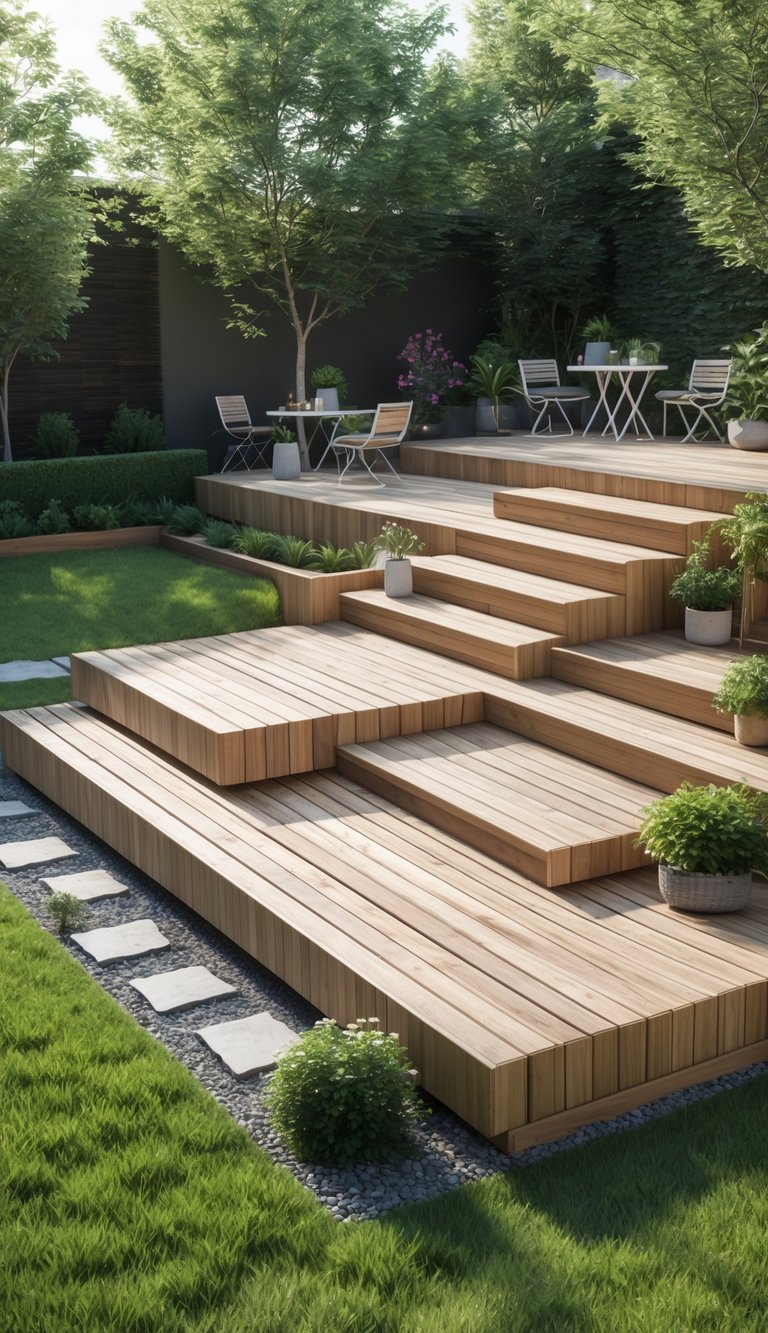
I design multi-tiered decks when I want to squeeze every bit of function from a tiny yard.
A split-level setup gives me zones for eating, relaxing, or planting—all without needing more square footage.
I set the dining area up high for better views, and tuck a cozy lounge below. Steps can double as seats or planters, which is a nice bonus.
Deck featuring a built-in outdoor fireplace
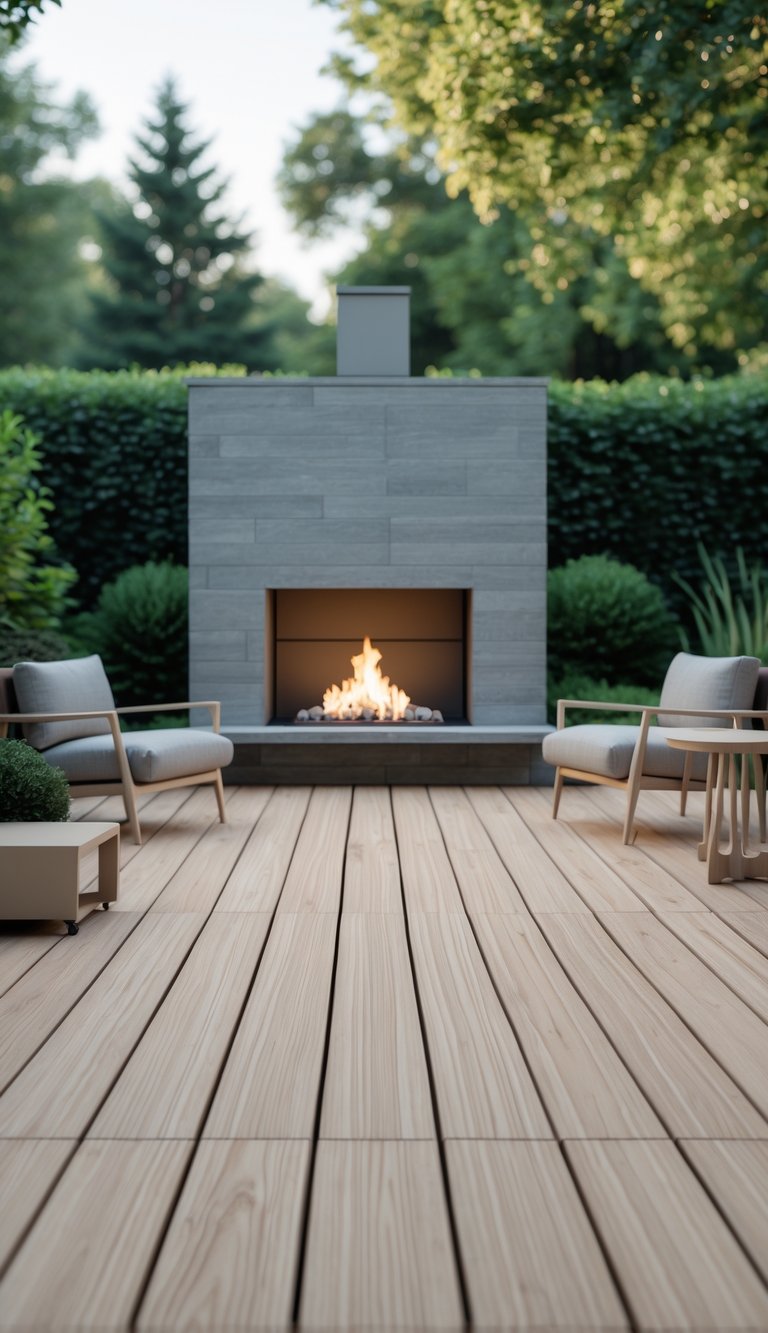
I built a ground-level deck with a built-in outdoor fireplace to stretch my living space into the yard.
That fireplace anchors the seating area and brings everyone together on chilly nights.
Stone and weatherproof materials hold up outside and match the house. I keep benches and lighting simple so the space feels warm but not crowded.
I made sure to position the fireplace for safe smoke flow and added a gas starter for convenience.
Minimalist flat deck for a modern look
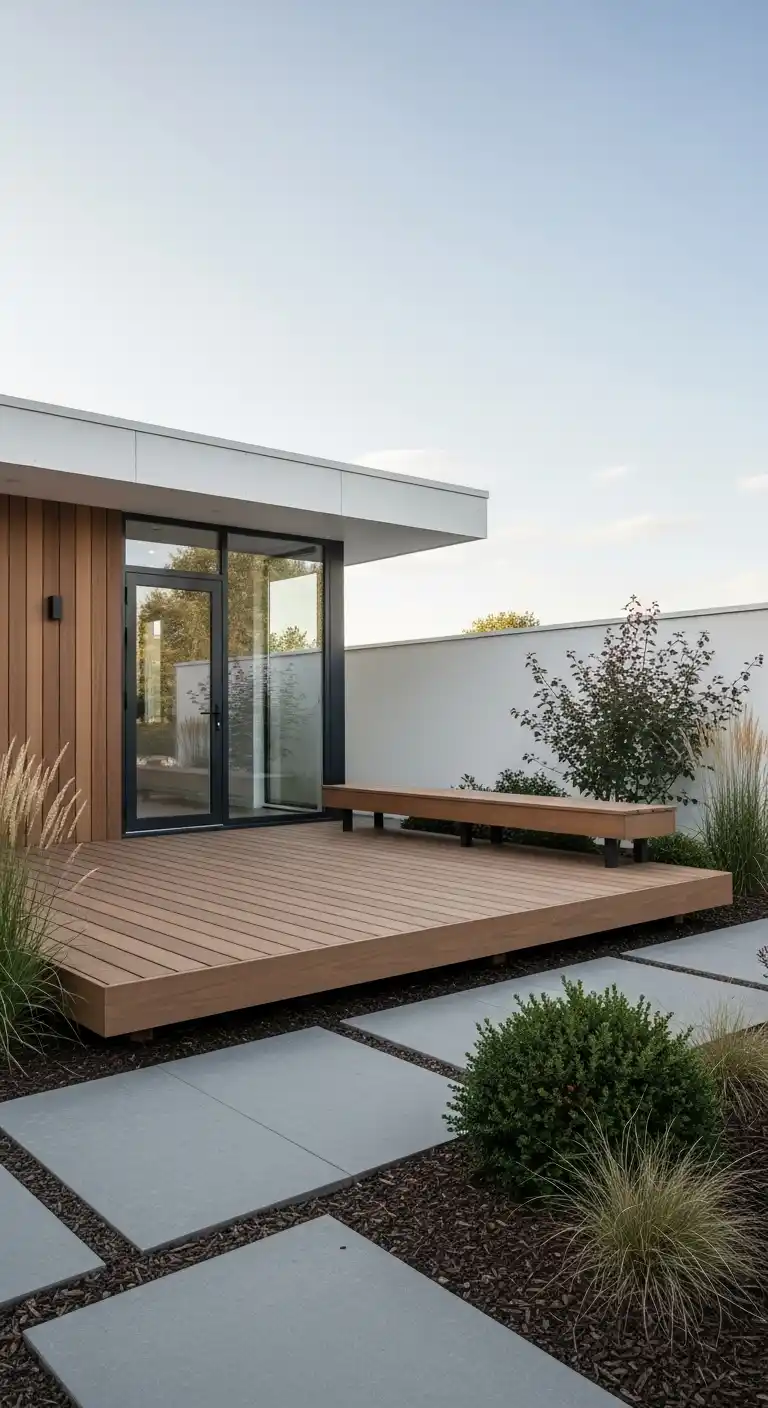
Minimalist flat decks keep things calm and uncluttered. A low platform blends the deck into the yard and makes the indoor-outdoor transition feel seamless.
Sometimes I use narrow boards or big pavers for a smooth, clean surface. Low seating and hidden fasteners keep the focus on the space, not the hardware.
Neutral colors and durable materials like composite or treated wood keep the look fresh with less fuss. Consistency matters, and so does not having to repaint every year.
Low-maintenance composite material deck
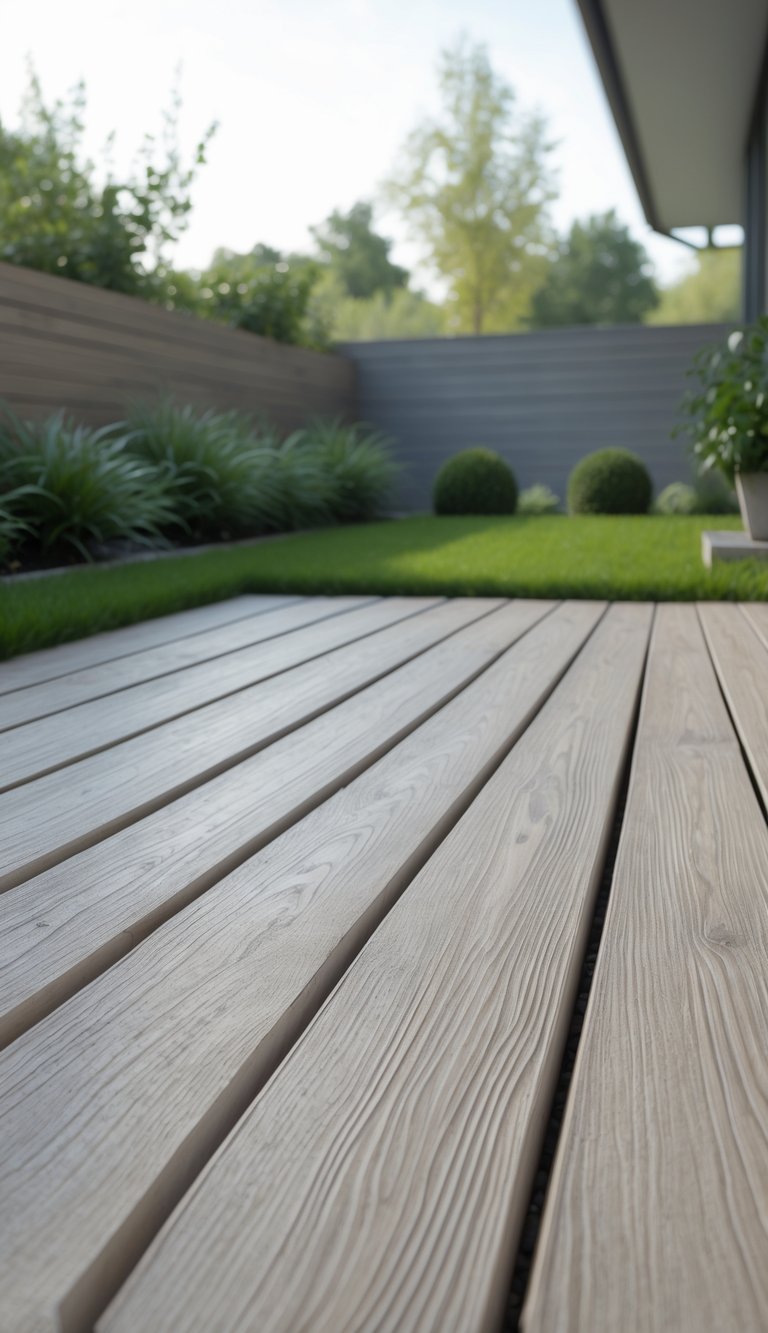
Composite decking is my go-to when I want a ground-level deck that looks like wood but takes less work.
It shrugs off rot, warping, and stains, so I don’t have to sand or seal it every year.
Installation’s pretty straightforward, and cleanup usually just takes some soap and water. I always check the manufacturer’s care instructions to keep it looking sharp.
Deck with removable seating cushions
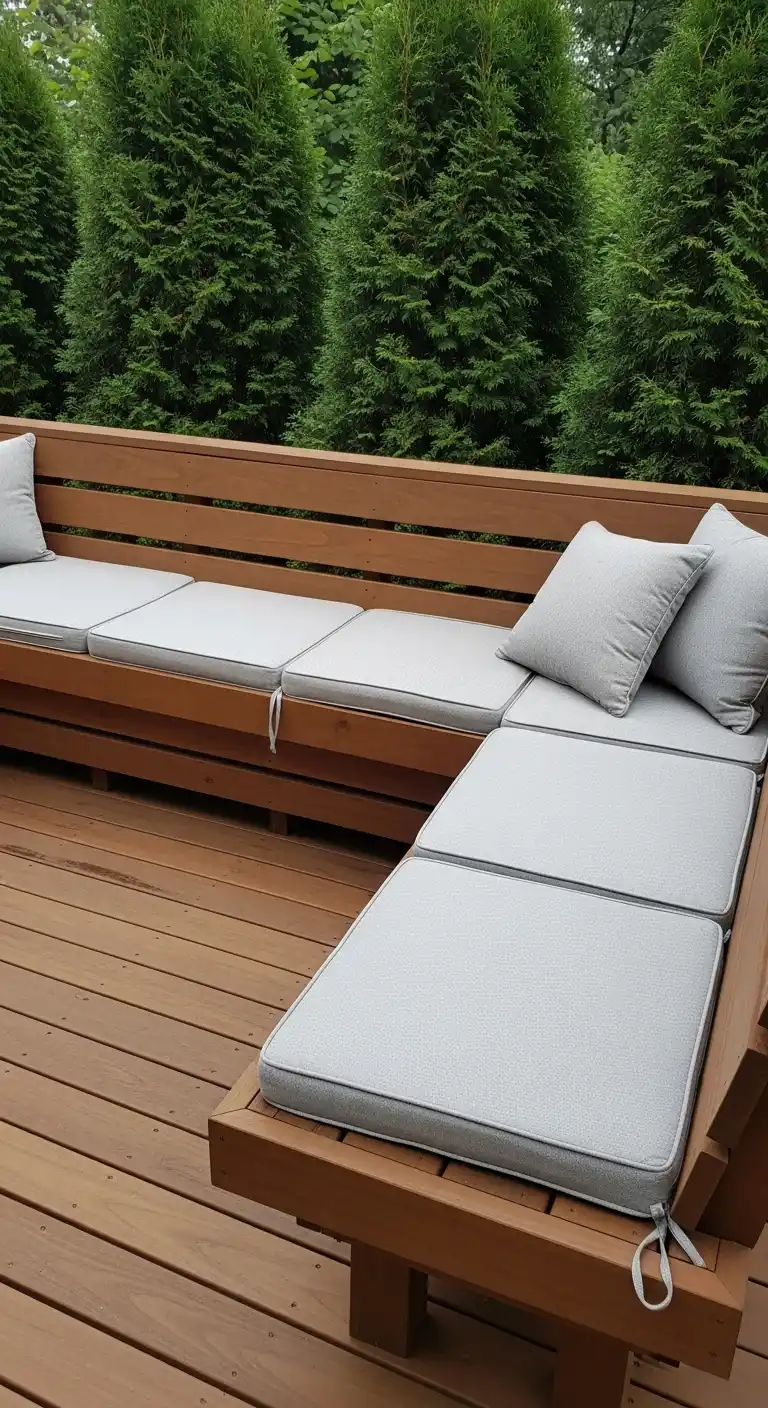
Removable cushions make cleaning and storage a breeze. I can pop them off for rain or winter, or just swap covers when I want a new look.
Weather-resistant fabric and quick-dry foam keep mold at bay. Built-in benches hold the cushions in place but still let me take them off in a snap.
Corner deck wraparound for cozy outdoor dining
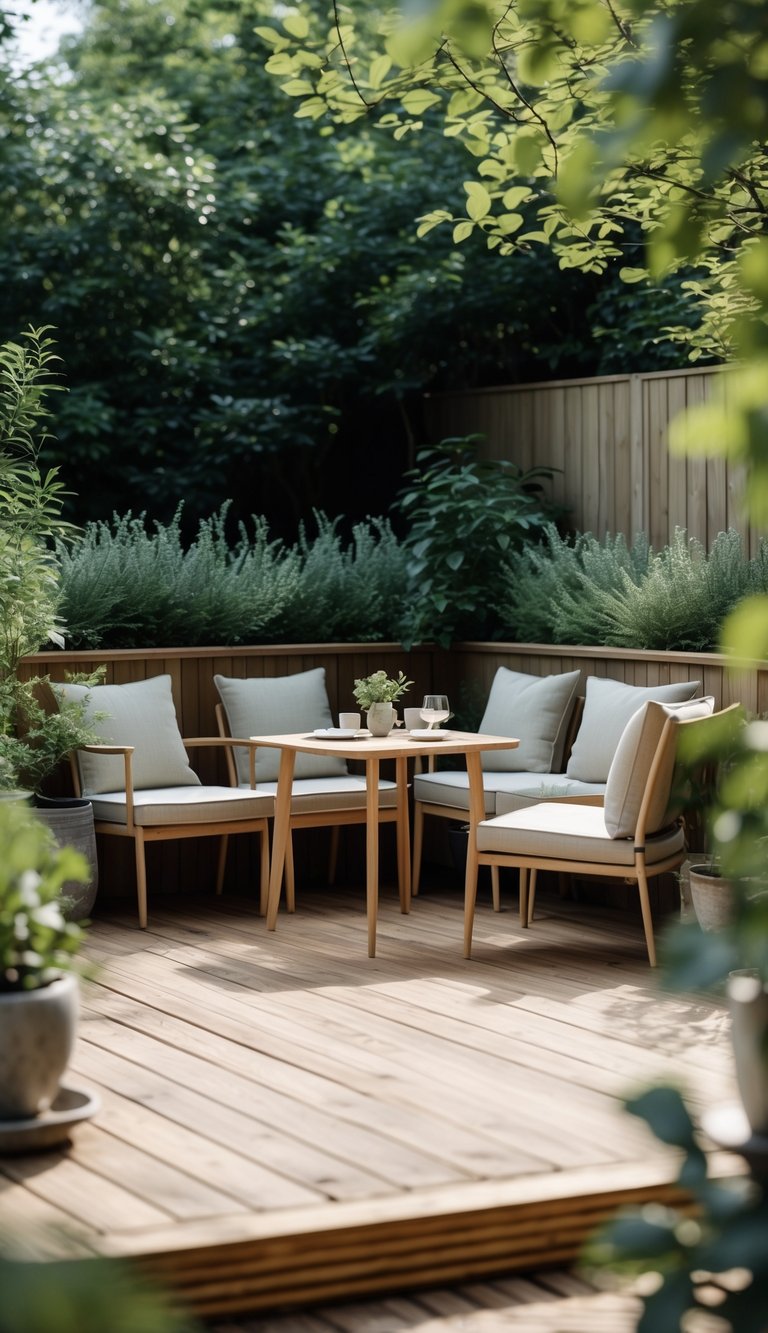
I like a corner wraparound deck for squeezing the most out of small yards. It connects the house to the yard and gives me a couple of different seating spots without extra stairs.
A compact dining set fits right in the corner where the deck sides meet. I’ll add cushions and string lights for a cozy, laid-back vibe.
Deck with hidden storage compartments
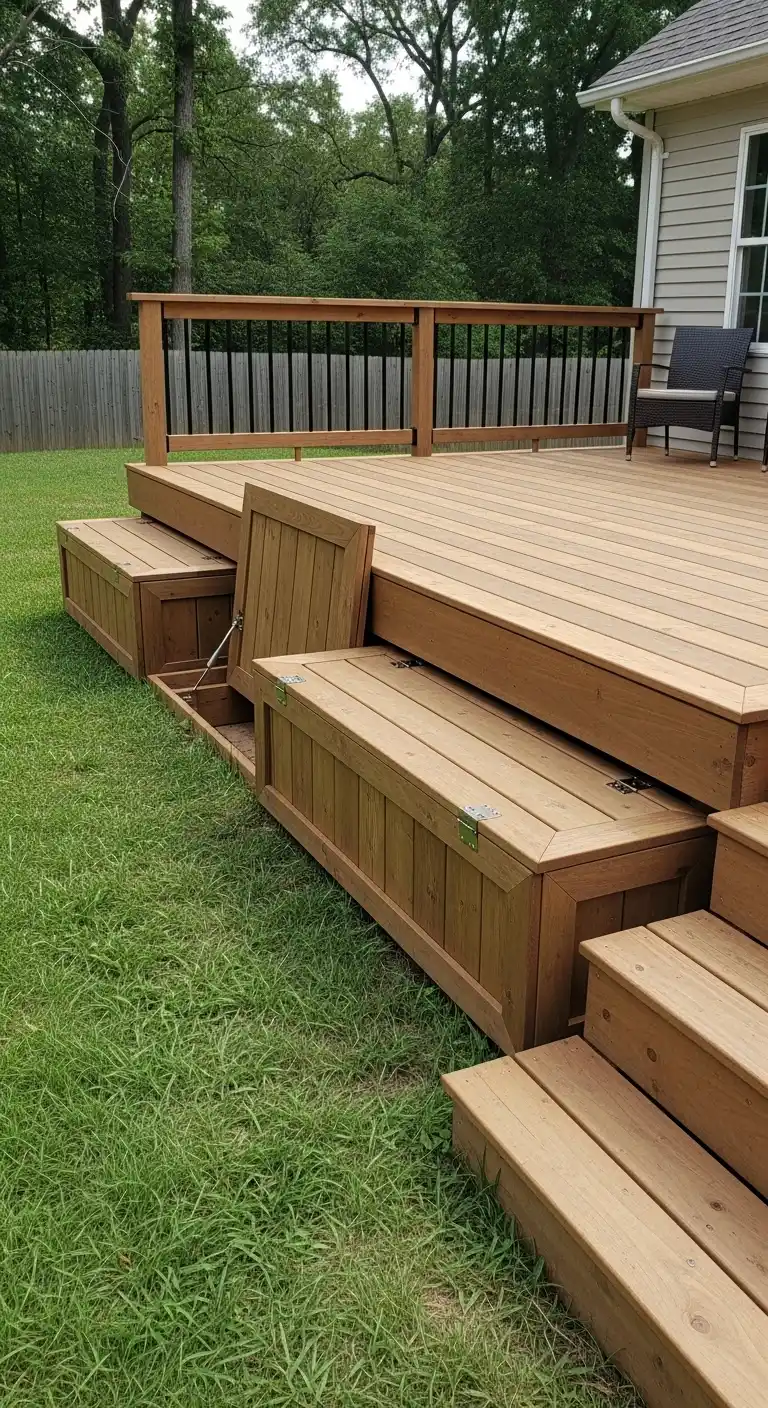
I like to build hidden storage into my ground-level decks. Hinged skirting panels or removable boards make weather-resistant compartments under the deck for cushions, tools, or toys.
Benches with hinged lids and cubbies under stairs are my favorite for quick access. They keep the deck tidy and don’t mess with the look at all.
Deck designed for poolside lounging
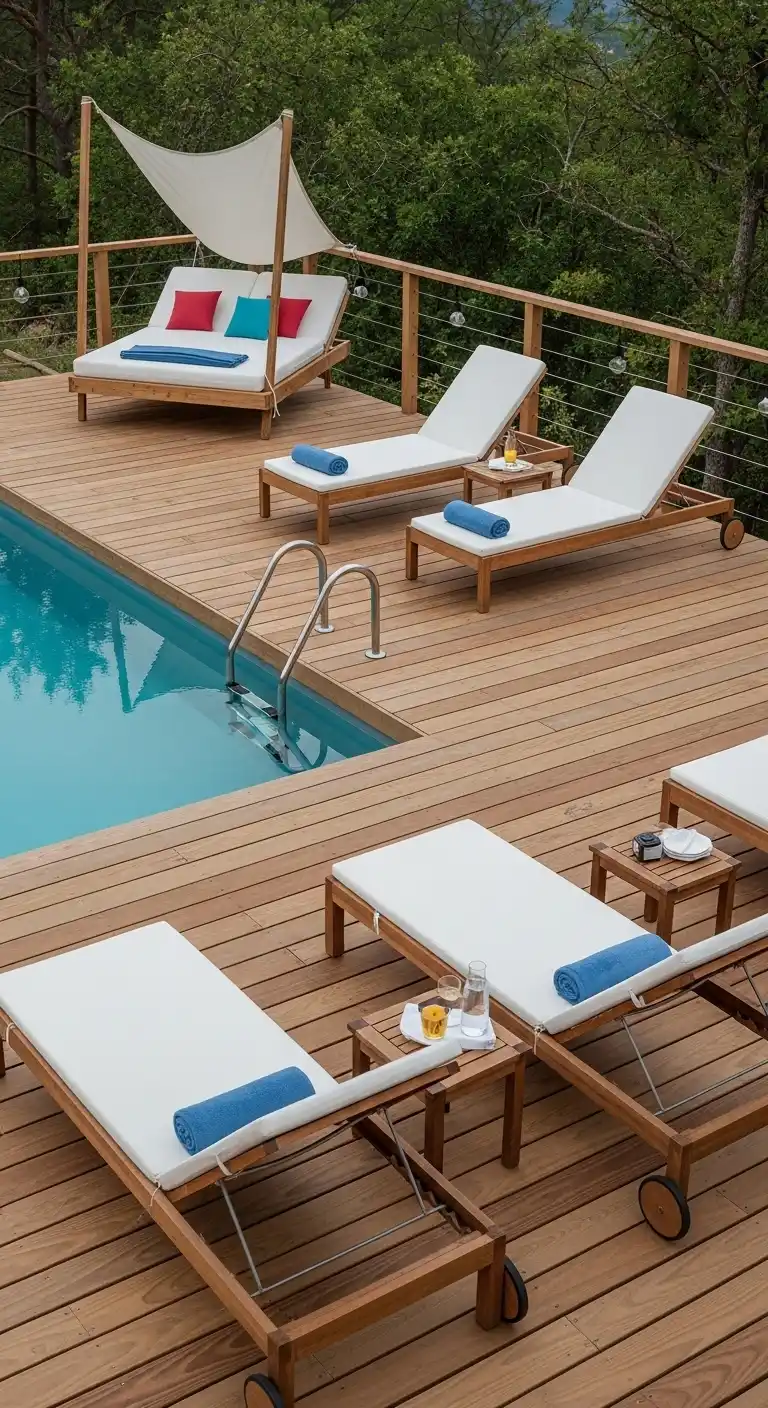
I like decks that run right up to the pool edge. It makes moving from water to seating easy and feels seamless.
Wide planks and low railings keep views open and make walking safer. I add lounge chairs, a shaded daybed, and little tables for drinks or towels.
Slip-resistant materials and simple lighting help everyone stay comfortable, even after dark.
Ground-level deck with built-in outdoor kitchen
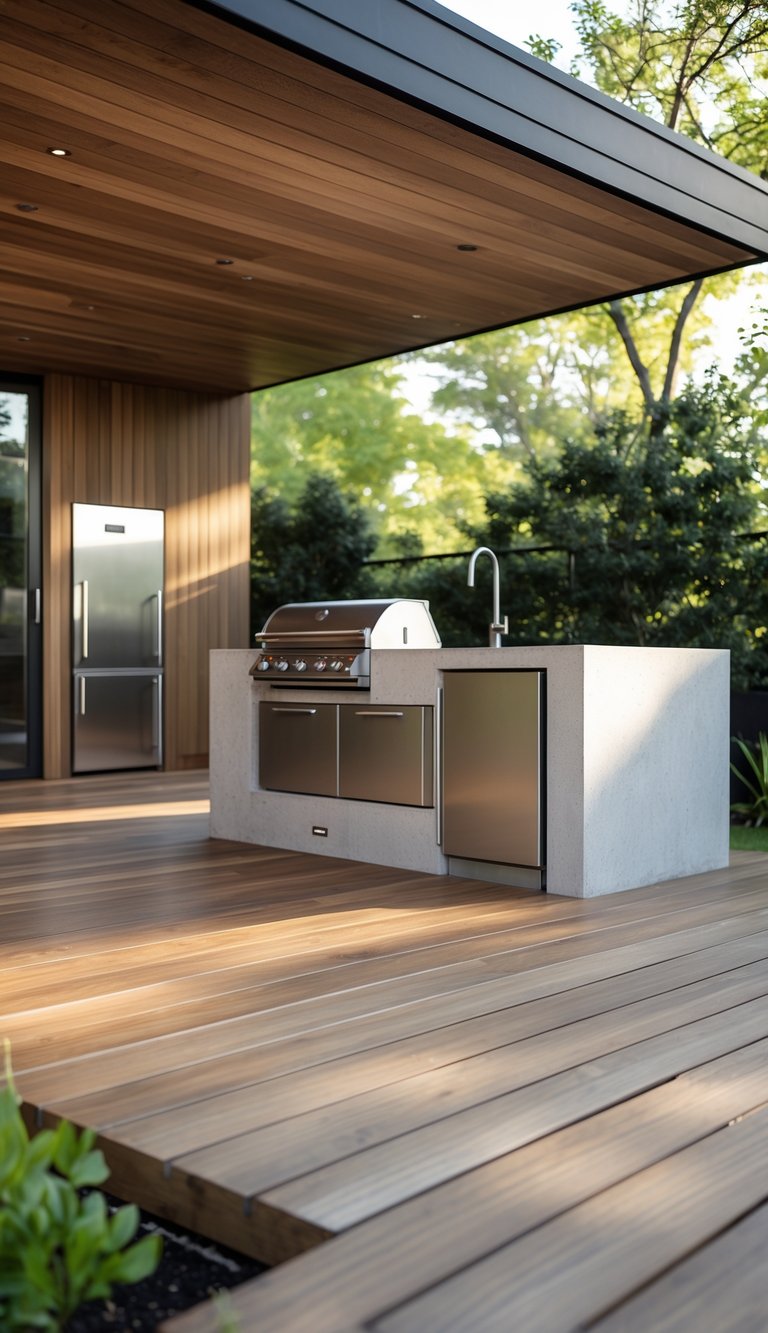
I design my ground-level deck to flow straight from the house into a compact outdoor kitchen.
A built-in grill, countertop, and some storage keep cooking organized and close to where everyone eats.
I pick durable stuff like stainless steel and weatherproof counters. Clear walkways and a spot for a prep table or bar stools make hosting a lot easier.
Deck incorporating a built-in fire pit
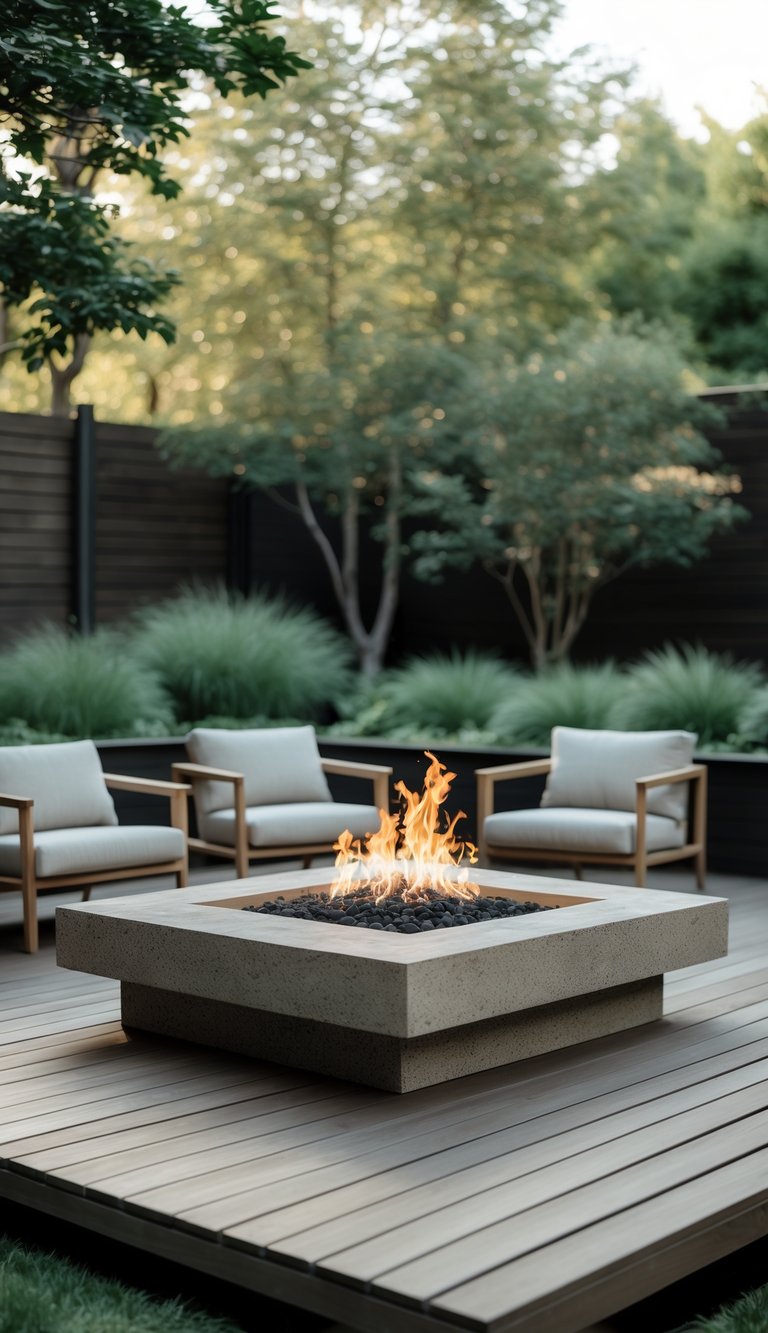
I often add a built-in fire pit to anchor a ground-level deck—it just draws people in.
I always go for heat-resistant materials and make sure there’s enough space around the pit to protect the deck.
Seating circles the fire for easy conversation. I make sure the pit drains and vents well, and I check local codes before building.
If needed, a spark screen or gas insert makes things safer.
Essential Construction Considerations
I focus on two big things for deck longevity and safety: prepping the ground right and picking materials that fit your climate and lifestyle.
Get the slope, drainage, and footings sorted out, then match materials to moisture, wear, and how much maintenance you want to do.
Site Preparation and Leveling
I start by marking the deck outline and checking the slope with a string level or laser.
I clear out topsoil and organic stuff where the footings go, then pack down the ground to keep things from settling later.
In cold areas, I set footings below the frost line. Warmer zones get concrete pads with crushed stone underneath.
For a true ground-level deck, I prefer adjustable deck blocks or concrete piers spaced 6–8 feet apart for 2×8 joists.
Drainage really matters. I slope the soil away from the house—about 1 inch per 8 feet—and toss down a 2–4 inch layer of crushed stone under the deck to stop water from pooling.
I also make sure there’s access for utilities and always check local codes for setbacks or inspections.
Choosing Appropriate Materials
I pick lumber and fasteners based on how much sun, rain, and wear the deck will see. Pressure-treated Southern yellow pine is affordable and common, while cedar and redwood resist rot but cost more.
Composite decking is low maintenance and resists rot, but needs enough airflow underneath to stay cool.
Fasteners need to match the material—stainless or coated screws for composites, galvanized or stainless steel for treated lumber.
I add joist tape or flashing where the deck meets the house to fight water damage.
Solid beams and joists, sized to local span tables, matter more than looks.
I usually space joists 16 or 12 inches on center to match the decking. Ventilation gaps under the deck help cut down on moisture and rot.
Maximizing Functionality and Aesthetics
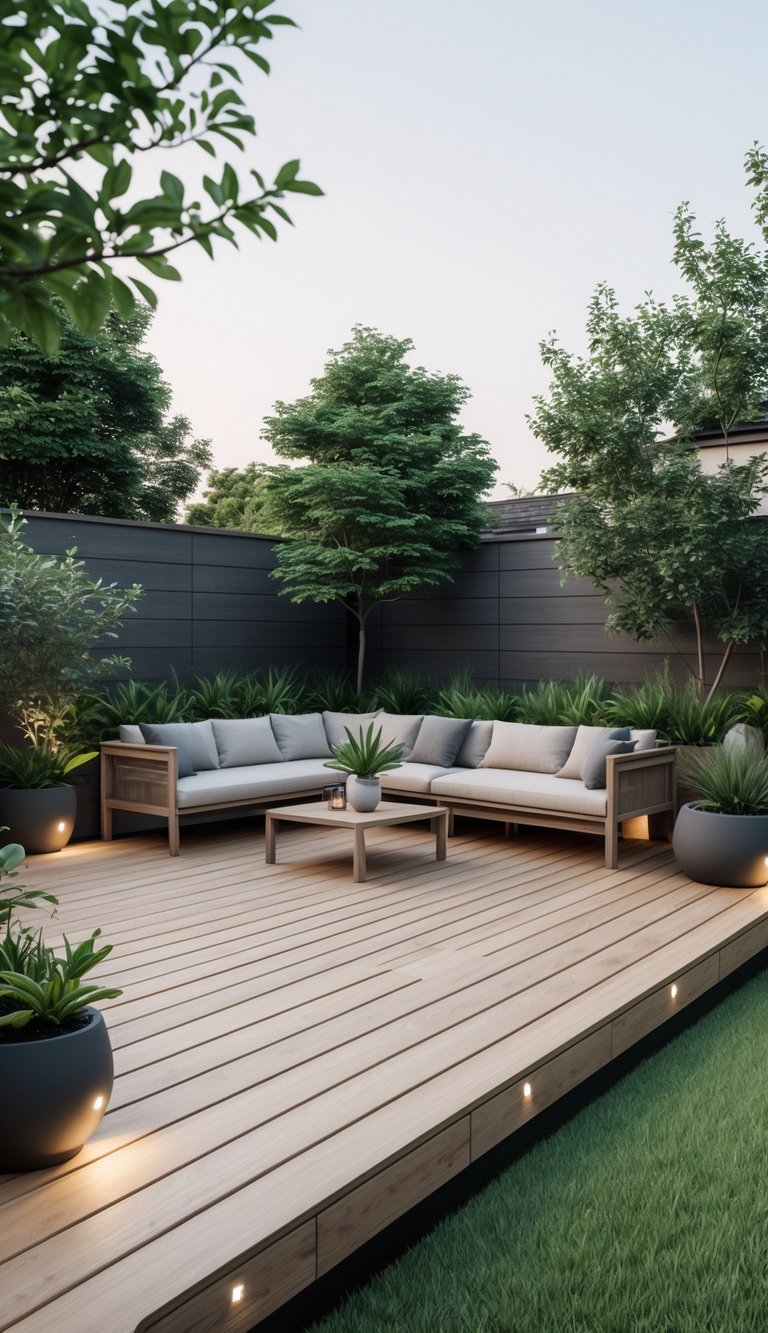
I lean toward practical choices that boost safety, comfort, and style—without letting clutter take over.
Smart lighting and built-in seating help carve out usable zones and keep sight lines clear.
Layered lighting matters if I want the deck to work from dusk until late. Pathway lights along the edges make it obvious where the deck ends, which helps avoid trips.
I tuck recessed deck lights between joists to give off a soft glow, but you barely notice the fixtures themselves.
For task areas, I’ll throw adjustable wall sconces near dining spots and hang a pendant over the grill or bar.
Warm LED bulbs (2700–3000K) always feel cozier to me, so I stick with those.
Low-voltage systems are a no-brainer—they use less energy and make wiring less of a headache.
Accent lights? I’ll use them to show off a planter, a favorite tree, or even some striking posts. Dimmers or smart controls let me set things just right—bright for cooking, softer for winding down with friends.
Incorporating Built-In Seating
I design built-in seating to save space and anchor zones. Usually, I combine benches with storage under the seat for cushions, garden tools, or outdoor games.
For comfortable dining and lounging, I keep seat heights at 17–18 inches. I aim for depths between 16 and 20 inches—it’s just more comfortable that way.
I pick materials that match the deck. Composite slats are great for low maintenance, but sometimes I go for stained wood if I want that classic look.
I add backrests or sloped seats if I know folks will be sitting for hours. For flexibility, I leave gaps at corners so I can toss in a few freestanding chairs if the crowd grows.
To avoid bumps, I finish seating edges with rounded corners. I use weatherproof cushions and secure them with ties or Velcro—otherwise, the wind just carries them away.