
How to Get Rid of Raccoons in Backyard at Night

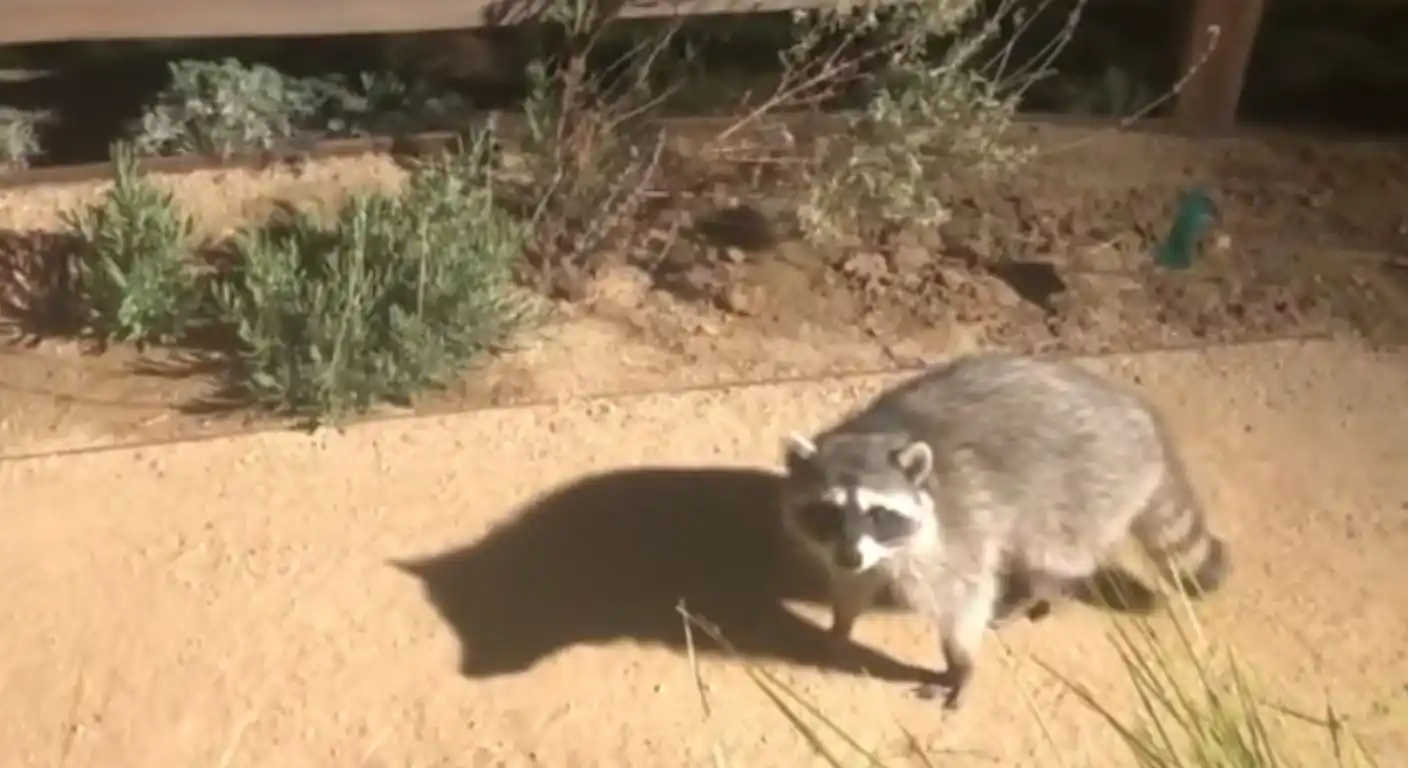
The most effective way to eliminate raccoons is removing food sources, securing trash, installing motion lights, and sealing entry points—addressing all four simultaneously works best. Creating an unwelcoming environment through habitat modification is superior to relying on deterrents alone.
Picture this: it’s midnight, and you hear that unmistakable crash of toppled garbage cans echoing through your quiet neighborhood.
Those masked bandits are back again! Raccoons transform peaceful backyards into chaotic disaster zones nightly.
If nocturnal visits from these clever creatures keep you frustrated, you’re not alone—thousands of homeowners battle this exact problem monthly, seeking practical solutions that actually work.
How to Get Rid of Raccoons in Backyard at Night Fast
Quick removal requires immediately eliminating food sources, installing motion-activated deterrents, and sealing all entry points simultaneously.
The fastest approach involves securing trash cans with locking lids, bringing pet food indoors, and installing motion-activated lights or sprinklers to startle nocturnal visitors.
These three actions together create immediate results within 24-48 hours. However, raccoons are persistent—combining multiple strategies prevents them from simply moving to another part of your yard.
Professional wildlife removal can expedite the process if infestation is severe, though habitat modification alone resolves most problems within two weeks.
Using Motion-Activated Lights
Install bright motion-sensor lights at ground level near problem areas to frighten nocturnal raccoons away permanently.
Motion sensor lights installed at ground level or along fences effectively spook raccoons at night, with positioning at raccoon-level height making movement detection more accurate within a 40-feet radius.
Since raccoons are nocturnal creatures that prefer darkness, sudden bright illumination triggers their natural fear response. Position lights near garbage areas, garden beds, and under decks where raccoons frequent.
Some homeowners combine motion lights with motion-activated speakers that emit raccoon distress calls, sounds made by predators, or dog barks—especially effective since recording of dog bark has shown proven effectiveness.
This dual-approach method significantly reduces visits within a single week.
Securing Trash
Use animal-proof containers with locking lids or secure regular cans with heavy bungee cords inside locked sheds.
Secure all trash cans with locking lids or bungee cords, and store cans in a locked shed or garage until collection day for maximum effectiveness.
Raccoons possess incredible dexterity and problem-solving skills—standard flip-top lids won’t deter them.
Raccoons are notorious for tearing into garbage, and knocked-over bins with scattered trash indicate their presence. Commercial animal-proof containers cost $30-60 each but prove worthwhile investments.
Place bins in enclosed spaces whenever possible—this eliminates the primary food source drawing raccoons to residential properties.
Naturally Using Smells
Raccoons hate strong odors including ammonia, cayenne pepper, peppermint oil, and hot sauce—apply these natural repellents around problem areas.
The intense, pungent scent of ammonia mimics predator urine, triggering a natural fear response that makes raccoons feel threatened and unwelcome.
Soak rags or cotton balls in ammonia and place them near garbage bins and attic entry points.
Mix cayenne pepper and onion in boiling water to create a natural repellent, adding hot sauce for enhanced effectiveness, and spray your yard baseline at least twice weekly and after rain.
| Natural Repellent | Application Method | Frequency | Cost |
|---|---|---|---|
| Ammonia-soaked rags | Place near problem areas | Weekly replacement | Low ($5-10) |
| Cayenne pepper spray | Spray perimeter weekly | 2x per week | Low ($8-15) |
| Peppermint oil | Soak cotton balls | Weekly refresh | Medium ($12-20) |
| Hot pepper mixture | Boil and spray | After rain/weekly | Low ($10-18) |
However, intelligent raccoons may remove offending odors or cover them up rather than vacate, making these natural methods most effective when combined with habitat modification.
Consistency matters—reapply after rain since effectiveness diminishes within days.
Food Sources
Remove all accessible food by bringing pet bowls indoors nightly, harvesting ripe produce promptly, and eliminating fallen fruits.
Raccoons feed at night, so empty pet food bowls by dusk, mount bird feeders on tall narrow poles with baffles, and clean up fallen seed regularly.
This represents the most critical permanent solution. Standing water sources like birdbaths, leaking hoses, and ponds encourage raccoons to stay nearby longer.
Inspect your yard systematically—what seems like insignificant food to you becomes a banquet for raccoons.
Additionally, use sealed compost bins kept at least 20 feet from your home to prevent attraction.
Protective Fencing
Install electric fences (most effective) or solid wood/vinyl fencing at least 6 feet tall around vulnerable areas.
Avoid chain-link or wire fences since raccoons climb easily—instead use wood or vinyl fencing at least 6 feet tall, with electric fencing being the most effective option if local laws permit.
Use a 2-wire electric fence placing wires 6 and 12 inches above ground, set on a timer to run only after dark.
Raccoons are exceptional climbers with remarkable problem-solving abilities—standard fencing alone won’t provide permanent exclusion but works when combined with other deterrents.
Inspect fencing regularly for holes or weak spots they can exploit.
Using DIY Techniques
Seal all entry points with durable materials, remove sheltered spaces, and trim tree branches accessing your roof.
Inspect your home and seal all gaps, vents, and weak spots using durable materials—repair damaged siding, seal cracks with silicone caulk, and install wire-mesh barriers in attics, crawl spaces, and basements.
Raccoons need only 3.5-inch openings to squeeze through—be thorough. Remove brush piles, dense vegetation, and spaces under decks or sheds where they hide.
Trim tree branches that create roof access routes to prevent raccoons from climbing onto structures.
These preventative measures eliminate shelter, making your property undesirable without requiring ongoing maintenance.
When to Call Professionals
Contact wildlife professionals if raccoons are inside your home, showing aggressive behavior, or repeated visits continue despite removal efforts.
Professional removal proves necessary when situations exceed DIY capabilities.
Never try to corner, chase, or physically catch a raccoon yourself at night—it’s dangerous and illegal in many areas; professionals have safe traps, proper tools, and training to remove raccoons humanely without risking injury.
Costs typically range $200-500 for inspection and removal, less than property damage raccoons cause.
Conclusion
Eliminating raccoons from your backyard requires a multi-pronged approach combining food removal, physical barriers, deterrents, and habitat modification rather than relying on any single method.
By addressing the fundamental reasons raccoons visit—food, water, and shelter—you make your property unattractive and force them to seek easier targets elsewhere.
Implement these strategies consistently for 2-4 weeks, and you’ll notice dramatic improvements in nighttime disturbances and yard damage.
Frequently Asked Questions
1. How long does it take to get rid of raccoons?
With consistent implementation of all removal methods, most properties see significant improvement within 2-4 weeks; complete elimination may take 6-8 weeks for stubborn cases.
2. Do ultrasonic raccoon repellents work?
Ultrasonic repellers emit frequencies only animals hear and are often motion-activated and solar-powered, though effectiveness varies depending on the raccoon’s adaptation.
3. Can raccoons climb 6-foot fences?
Yes, raccoons are excellent climbers; however, 6-foot solid fencing combined with other deterrents significantly reduces entry attempts.
4. Is it safe to use ammonia around pets?
Ammonia can harm pets if ingested or inhaled in concentrated amounts—use only in well-ventilated outdoor spaces away from pet access areas.
5. What time of year are raccoons most active?
Raccoons are active year-round but more aggressive during fall/winter (September-February) when seeking food before hibernation-like torpor.
