
13 Scottish Highland Home Decor Ideas to Bring Rustic Elegance to Your Space


Looking to add depth and heritage to your interiors? Scottish Highland Home Decor captures the rugged beauty of the Highlands in a stylish way. Explore ideas that help you create a warm, elegant, and character-filled home.

You want a home that feels like the Scottish Highlands—warm, grounded, and full of character.
Let’s talk about how to bring tartan, natural textures, and classic motifs into your space so it feels cozy and timeless—without looking like a set from Braveheart.
You’ll find simple, authentic ways to layer plaids, stone, wood, and heritage accents.
The goal? Rooms that capture Highland spirit without turning into a theme park.
Let’s dig in—these ideas work in living rooms, bedrooms, even entryways.
Incorporate traditional tartan patterns in upholstery and cushions
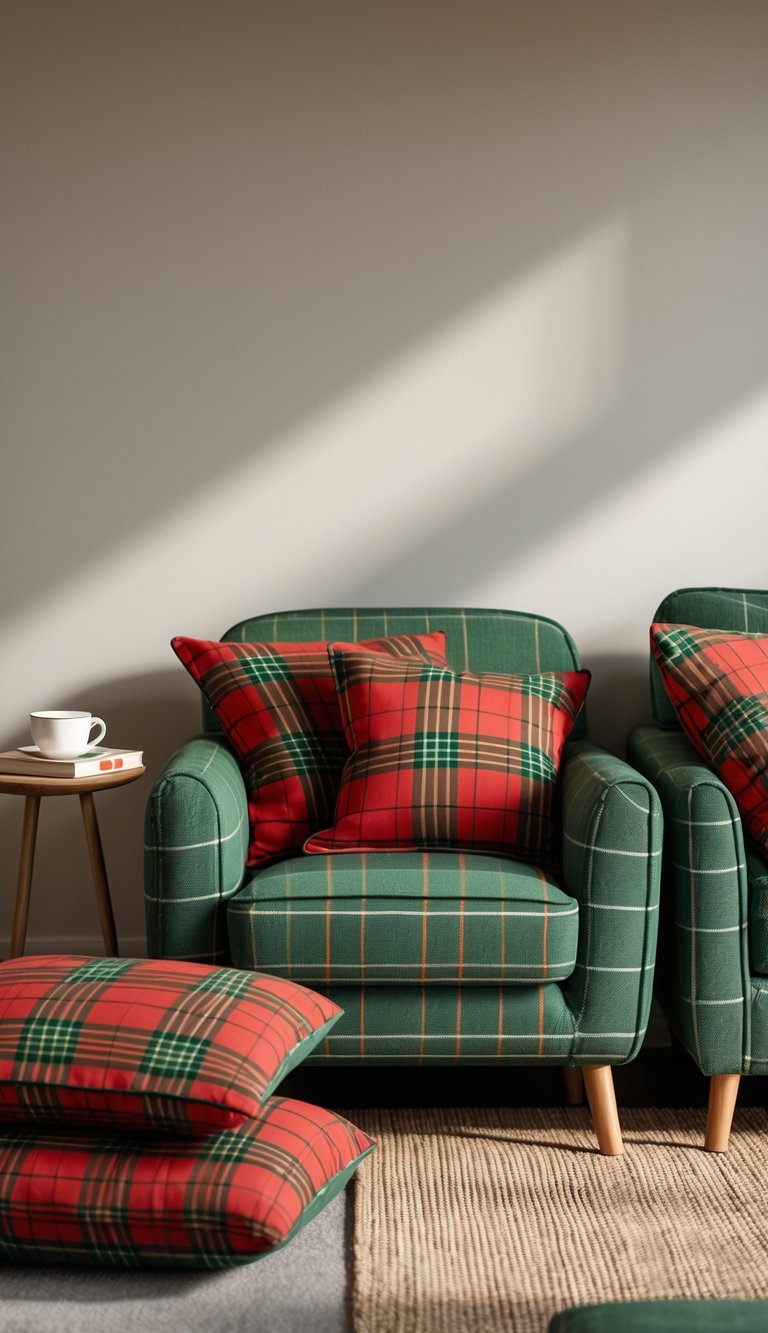
I use tartan upholstery to anchor a room with pattern and history.
Classic tartan on a sofa or armchair adds texture but doesn’t overpower the space.
I layer tartan cushions in different scales and colors for depth.
Mixing in modern solids or subtle prints keeps everything from feeling too matchy-matchy.
Use stag and highland cow motifs in wall art and textiles
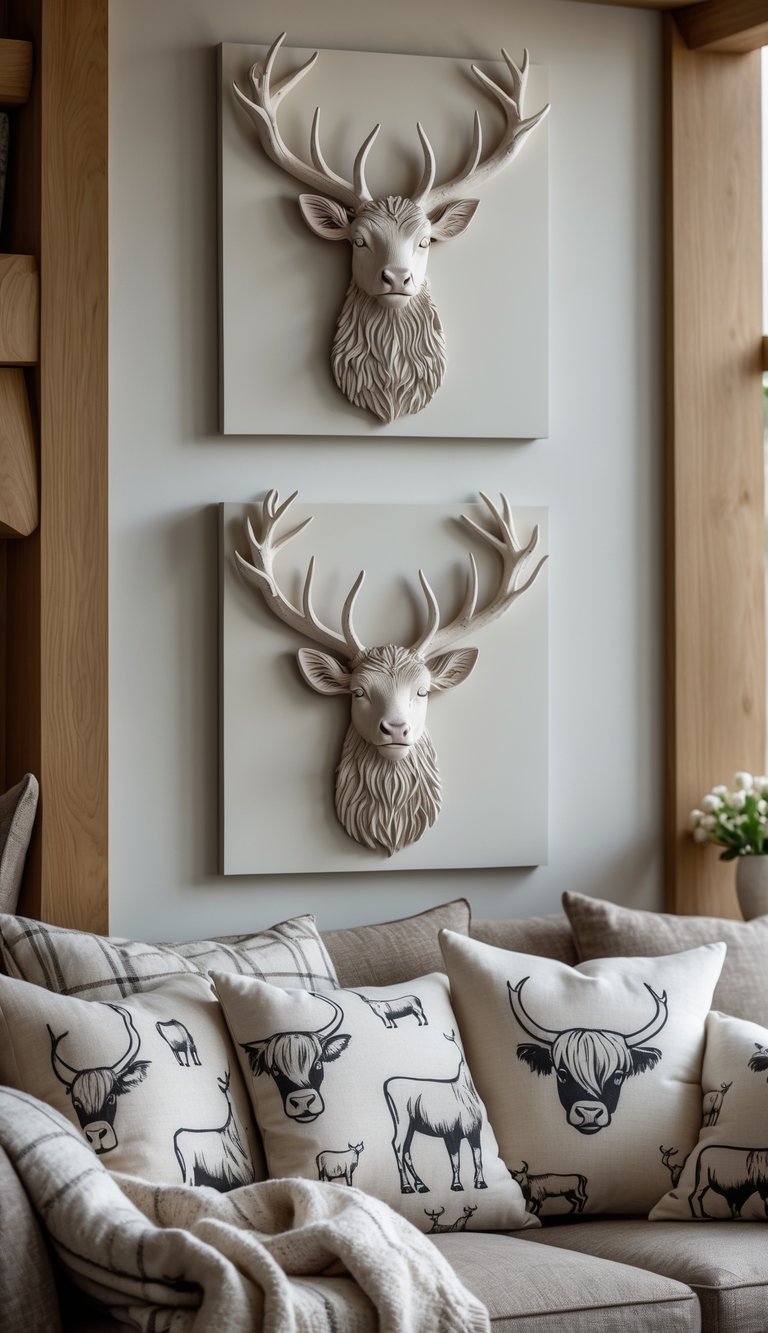
I like stag prints and Highland cow art for a bit of rustic charm on the walls.
They look great as bold focal pieces or grouped in smaller prints.
Pairing these images with textured throws and cushions carries the theme into fabrics.
I like to mix watercolor, wood, and metal finishes so things don’t get too busy.
Install a stone or brick fireplace as a central feature

I go for a stone or brick fireplace to anchor the room and bring Highland warmth home.
Natural stone or reclaimed brick adds texture and a strong focal point—no need for too much fuss.
Keeping the design simple and rugged, with a deep hearth and plain mantel, creates a cozy gathering spot.
It also matches tartans, dark woods, and those muted colors I love elsewhere.
Display vintage Scottish thistle emblems in decor accents
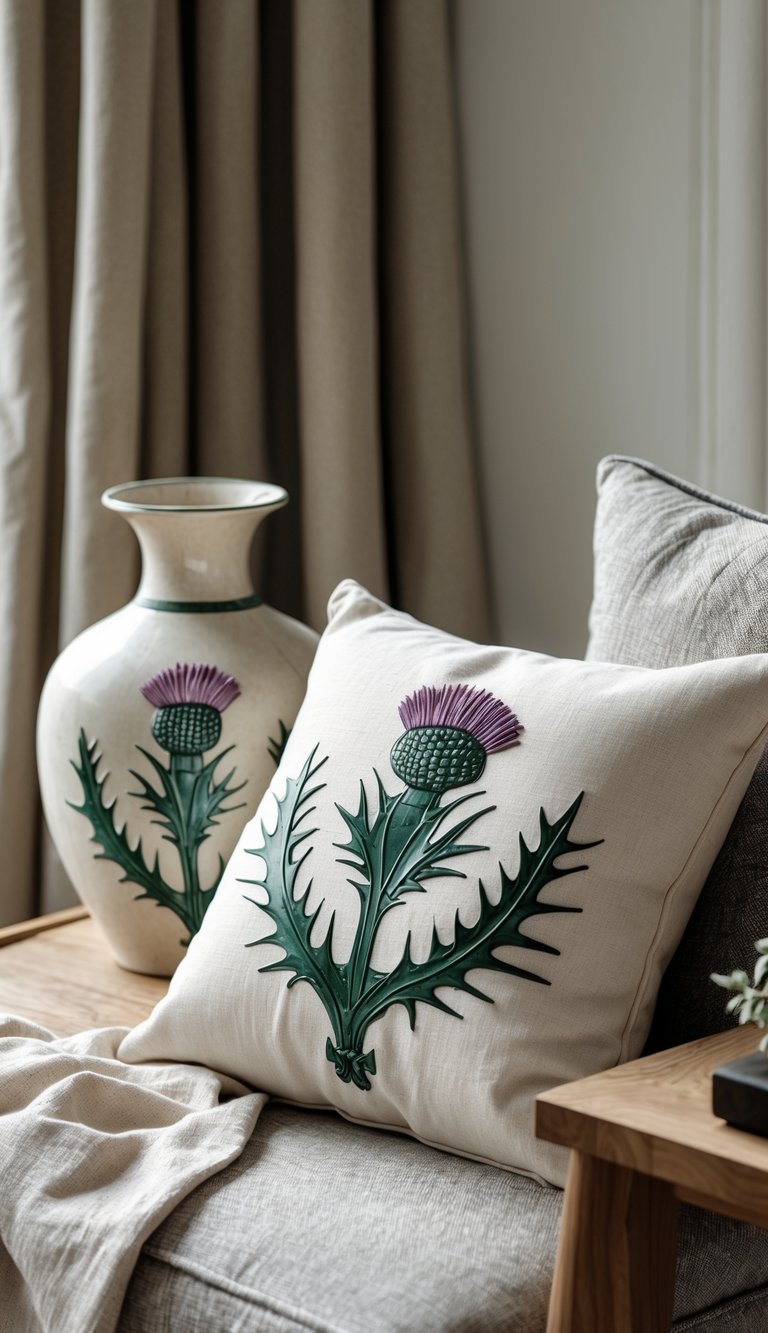
I sneak vintage thistle emblems onto cushions, wall art, and trays for a subtle Scottish nod.
The worn look of vintage pieces gives a lived-in vibe without competing with other patterns.
Mixing in metal badges or embroidered patches with tartan throws adds contrast.
I’ll pop a thistle accent on a mantel or shelf to draw the eye and tie things together.
Choose rustic wooden furniture with a weathered finish

I pick pieces that show off the wood’s natural grain and imperfections.
Weathered finishes add warmth and a lived-in feel—never too precious.
Solid pine or reclaimed timber is my go-to for durability.
Distressed edges and muted stains fit right in with tartans and wool textiles.
Add cozy wool throws in natural earth tones
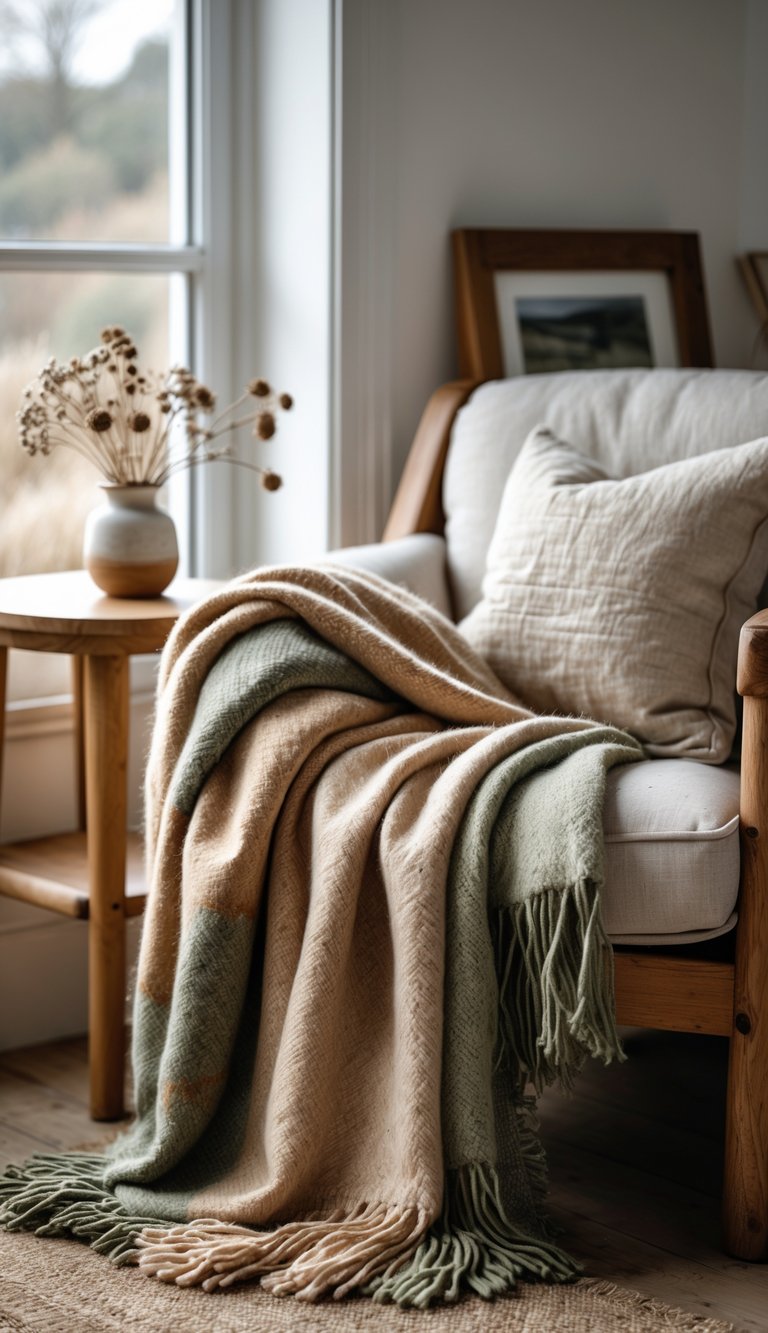
I drape Harris Tweed or boiled wool throws over sofas and chairs for warmth and texture.
Earthy shades like moss green, clay, and warm brown blend with wood and stone—classic Highland look.
Throws stay within easy reach for chilly nights and damp weather. They also layer well with cushions for a relaxed, lived-in look.
Feature framed maps or landscapes of the Scottish Highlands
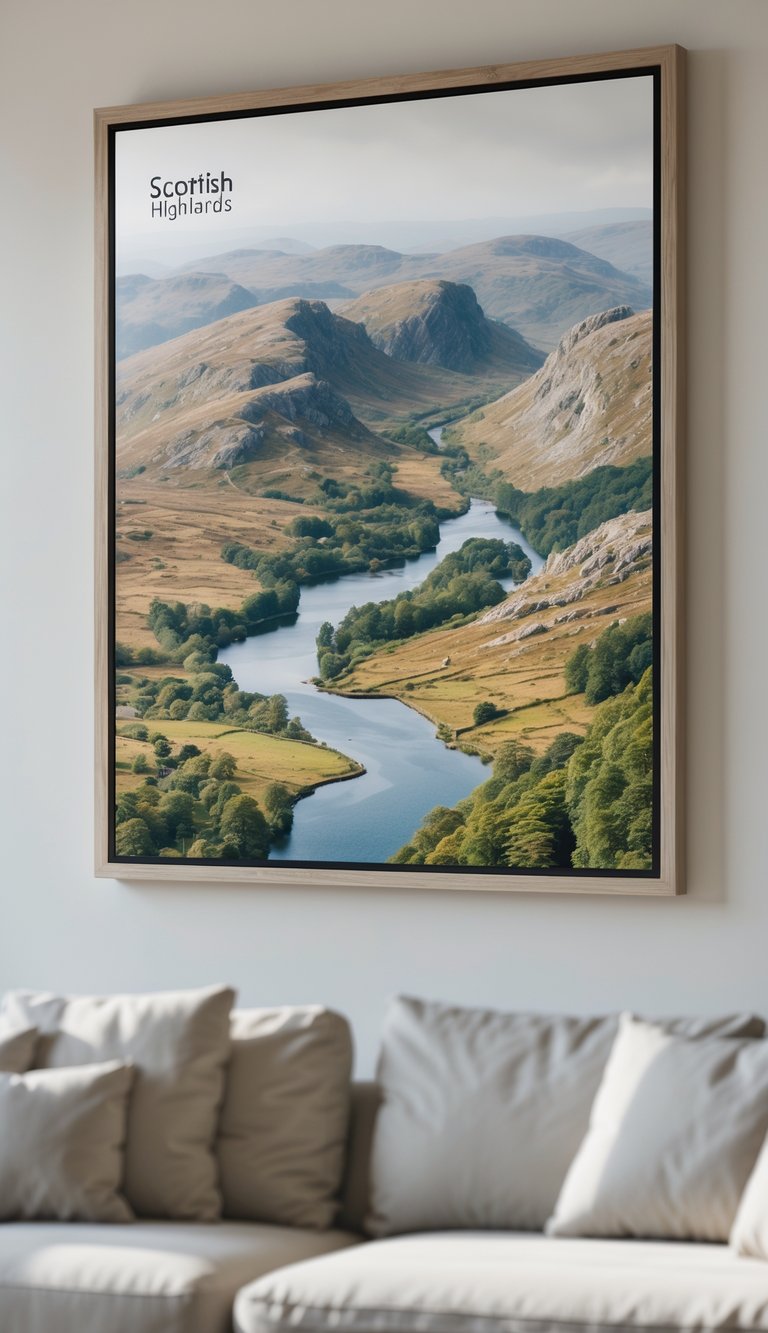
I hang framed maps or landscape prints to anchor a room and add a sense of place.
Maps show routes and names, landscapes bring color and texture—either works above mantels or on gallery walls.
Simple frames and neutral mats let the art stand out.
I mix sizes for visual interest, or use a single large piece when I want a clear focal point.
Use wrought iron lighting fixtures for an authentic feel
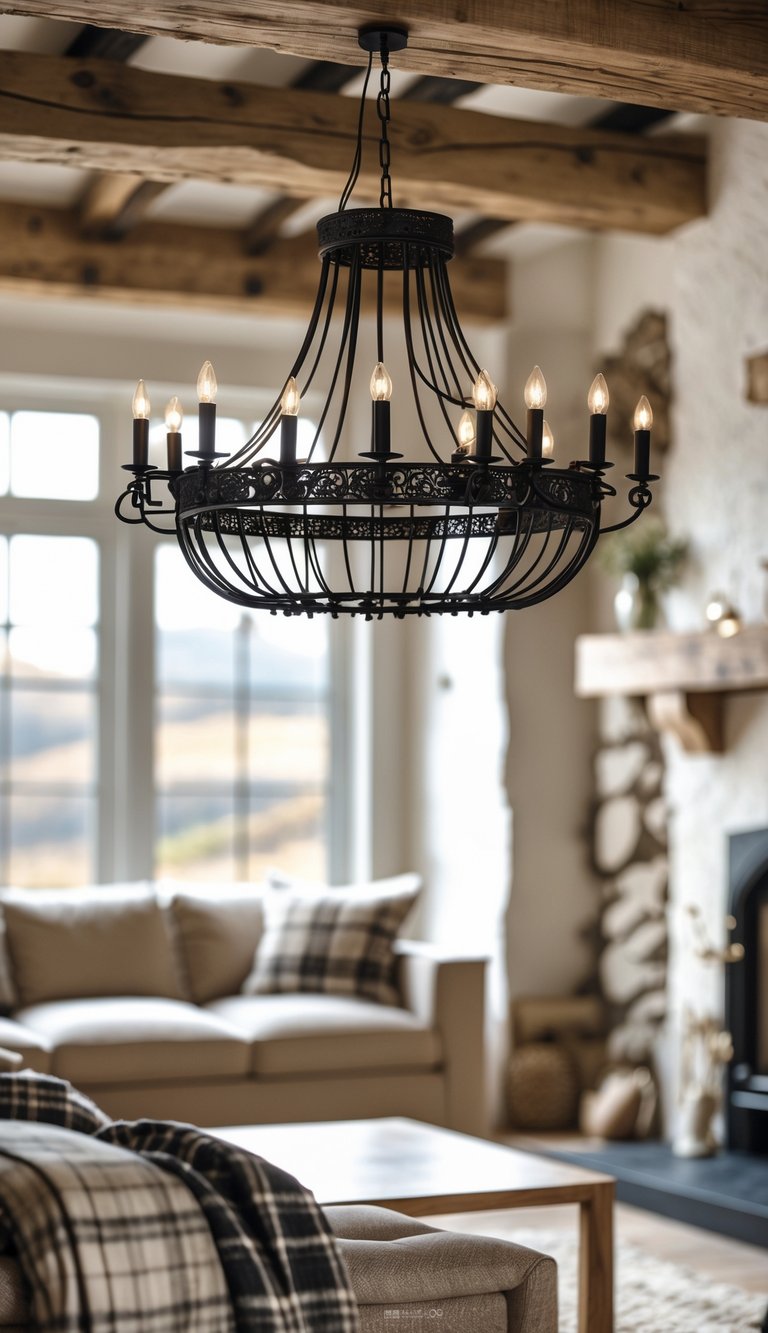
I reach for wrought iron lighting to bring a sturdy, historic touch to Highland rooms.
The dark metal pairs well with wood beams and tartan textiles.
An iron chandelier or wall sconces add warmth without stealing the spotlight.
Light filters through openwork, casting soft shadows—just right for cozy spaces.
I like fixtures with candle-style bulbs or exposed filaments for an old-fashioned glow.
They feel authentic and last with basic care.
Include plaid curtains or Roman blinds
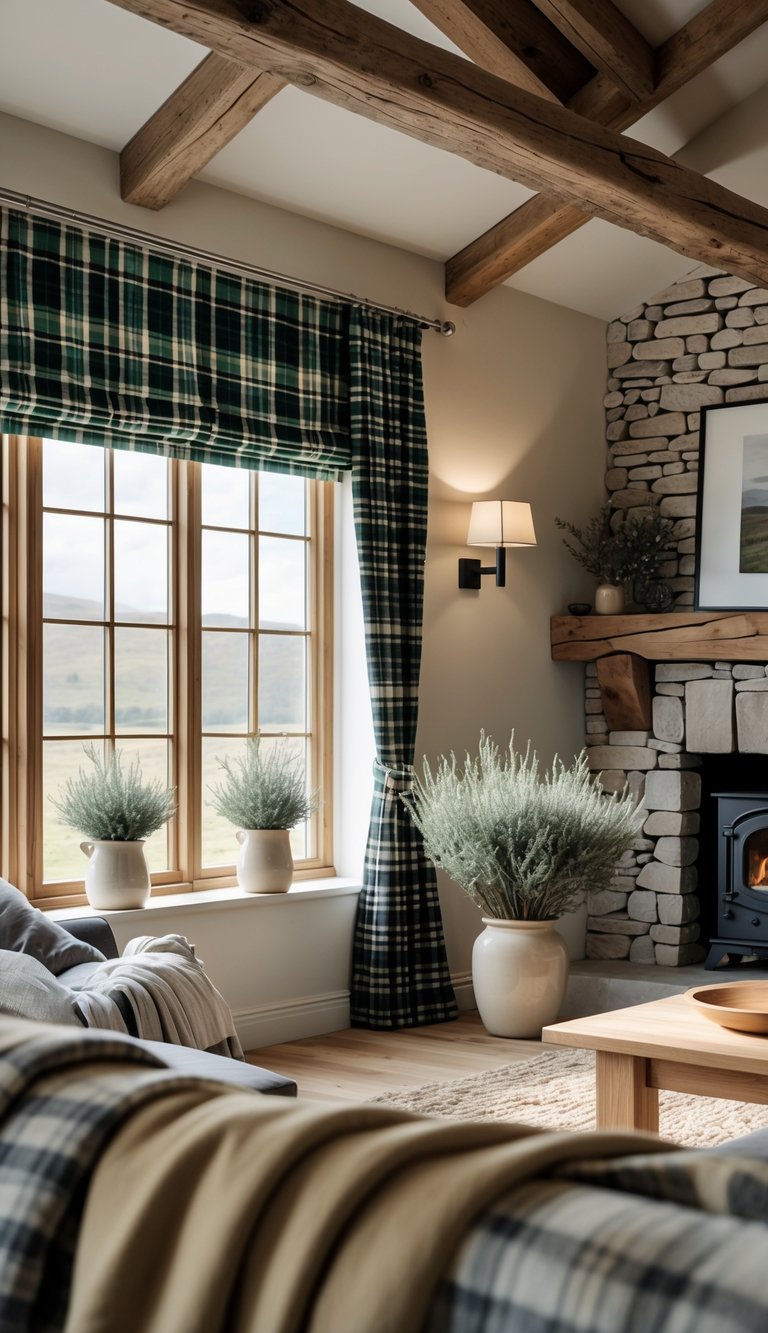
Plaid curtains or Roman blinds give a room Highland character without going overboard.
Tartan fabrics add color and pattern while keeping things grounded.
Heavier wool blends work for warmth and light control. In bright rooms, I go for lighter cotton blends.
Made-to-measure Roman blinds keep lines clean—nice in both modern and rustic spaces.
Decorate with handcrafted pottery inspired by Scottish crafts
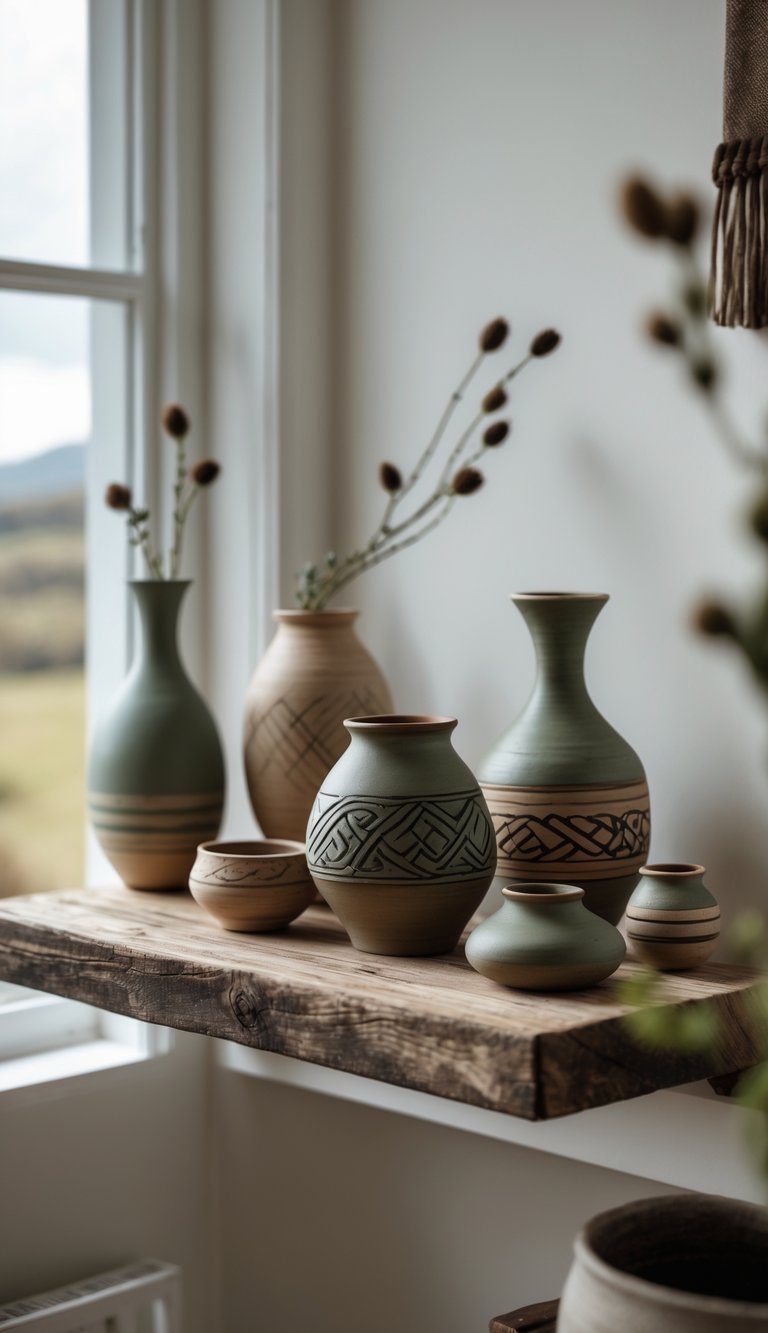
I bring in handcrafted pottery for a Scottish touch.
Pieces shaped by hand and inspired by the Highlands add texture and local character.
I mix everyday tableware with one-off decorative vessels.
Celtic motifs, thistles, or simple glazes work with both modern and traditional decor.
I keep pottery where I can see it—open shelves, mantels, or the dining table. Why hide the good stuff?
Place Highland cow head sculptures or silhouettes
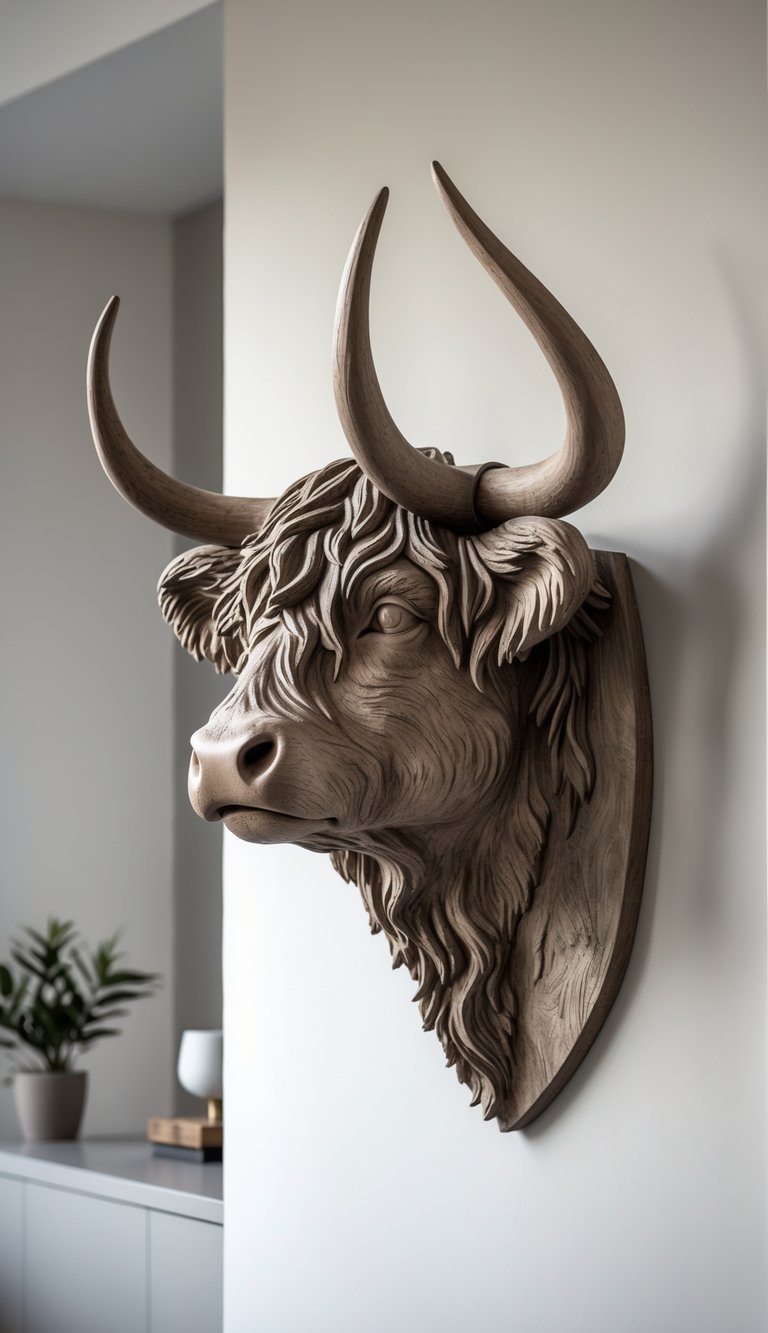
I like a Highland cow head sculpture above a mantel or entryway for a rustic vibe.
Metal silhouettes or wooden carvings add texture but don’t overwhelm.
Positioning at eye level keeps things balanced.
Smaller silhouettes look good in clusters; a single large head becomes a clear focal point.
Use tartan-patterned area rugs for warmth and pattern

Tartan rugs instantly add warmth and visual interest. They layer color and texture without much effort.
A tartan rug anchors seating areas and ties together wood furniture and neutral walls. I look for durable, non-slip options for high-traffic rooms.
Patterns range from bold to subtle. I match the scale of the tartan to the room—small rooms suit finer checks, big spaces can handle bold plaids.
Incorporate natural heather and moss green colors

I use heather and moss green to bring Highland calm into rooms.
These colors work on walls, textiles, and small decor pieces—super versatile.
I pair soft heather tones with deeper moss greens for a bit of contrast. It echoes moorland grasses and stone, and keeps things grounded.
I stick to muted, natural shades over anything too bright. Subtle color keeps the space honest and timeless, if you ask me.
Essential Elements Of Scottish Highland Decor
I focus on fabrics, patterns, and colors that echo the Highlands: woven tartans, wool throws, tweed, heather tones, and deep greens.
These elements create a warm, rugged look that pairs well with stone, wood, and simple metal accents.
Traditional Patterns And Textiles
I usually lean on tartan and tweed as anchors for a Highland-inspired room. Tartan looks great on cushions, throws, or even just an accent chair.
Family or period-inspired plaids add authenticity. I like mixing scales—say, a big plaid on a rug with smaller checks on pillows—because it feels balanced but not too matchy.
Wool and cashmere throws bring in texture and warmth. I’m partial to handwoven or felted wools since their natural variation just feels right.
Leather or needlepoint footstools work well with these textiles. They also add a durable spot to kick your feet up.
You can bring in animal motifs, but I’d go easy: maybe a stag silhouette or a highland cow on a cushion or in a framed print.
If you stick to two or three main colors, everything stays coordinated and the room doesn’t get chaotic.
Color Palettes Inspired By The Highlands
Muted, nature-based tones set the mood: heather purple, peat brown, moss green, and slate gray.
These shades echo the moors, bogs, grasses, and stone—honestly, they just feel calming.
I usually use a neutral base on the walls—off-white or warm gray—to keep things bright and let the deeper colors pop.
Deep greens and navy make nice accents, adding depth. Warm brass or aged iron fittings offer a bit of contrast and character.
If you want a pop of color, try tartan-based reds or mustard—but only in small doses, like a throw or lamp shade.
I like to balance darker furniture with lighter textiles so the room doesn’t feel too heavy.
Integrating Authentic Materials

I always focus on materials that age well and have a story to tell.
Pick durable pieces and tactile textiles that bring warmth and a sense of history into daily life.
Natural Wood And Stone
Exposed beams, reclaimed floorboards, and rough-cut stone really ground a room.
Solid oak or pine floorboards with a matte oil finish show off their grain and wear, which honestly just fits the Highland vibe.
For walls, I love a stone fireplace or a stone-clad hearth wall. It draws the eye and helps keep the space warm.
Mixing textures works: a polished stone hearth beside a hand-planed wooden mantel looks intentional, not accidental.
For furniture, I go for pieces with visible joinery—dovetails or mortise-and-tenon—so you can actually see the craftsmanship.
Slate or flagstone makes sense for entryways and hearths since they handle moisture and foot traffic well.
I always protect wooden floors with natural fiber rugs in the busiest spots.
Wool, Tweed, And Tartan Fabrics
I pick wool and tweed for upholstery, throws, and cushions because they hold up well and feel cozy.
Harris tweed and other handwoven wools bring in pattern, but they don’t shout for attention.
Keep tartan accents subtle. Try a tartan throw tossed over a sofa, maybe a couple of cushions, or even a framed tartan panel—just enough to look intentional, not like you’re running a themed pub.
For bedding and curtains, I usually go with dense wool blends or lined tweeds. They help block out drafts and keep things snug.
Stick to neutral base colors—think charcoal, moss green, or oatmeal. Then layer patterned fabrics for a bit of contrast.
Spot-clean upholstery and air out wool items every so often to keep them fresh. It really helps them keep their loft and color.
Mixing patterns can get tricky, so balance the scale. Maybe a small houndstooth on chairs, a bigger tartan on the bedhead, and a solid wool rug to pull everything together.
