
Why Does My Bathroom Smell Like Sewage? (And How to Fix It Fast)

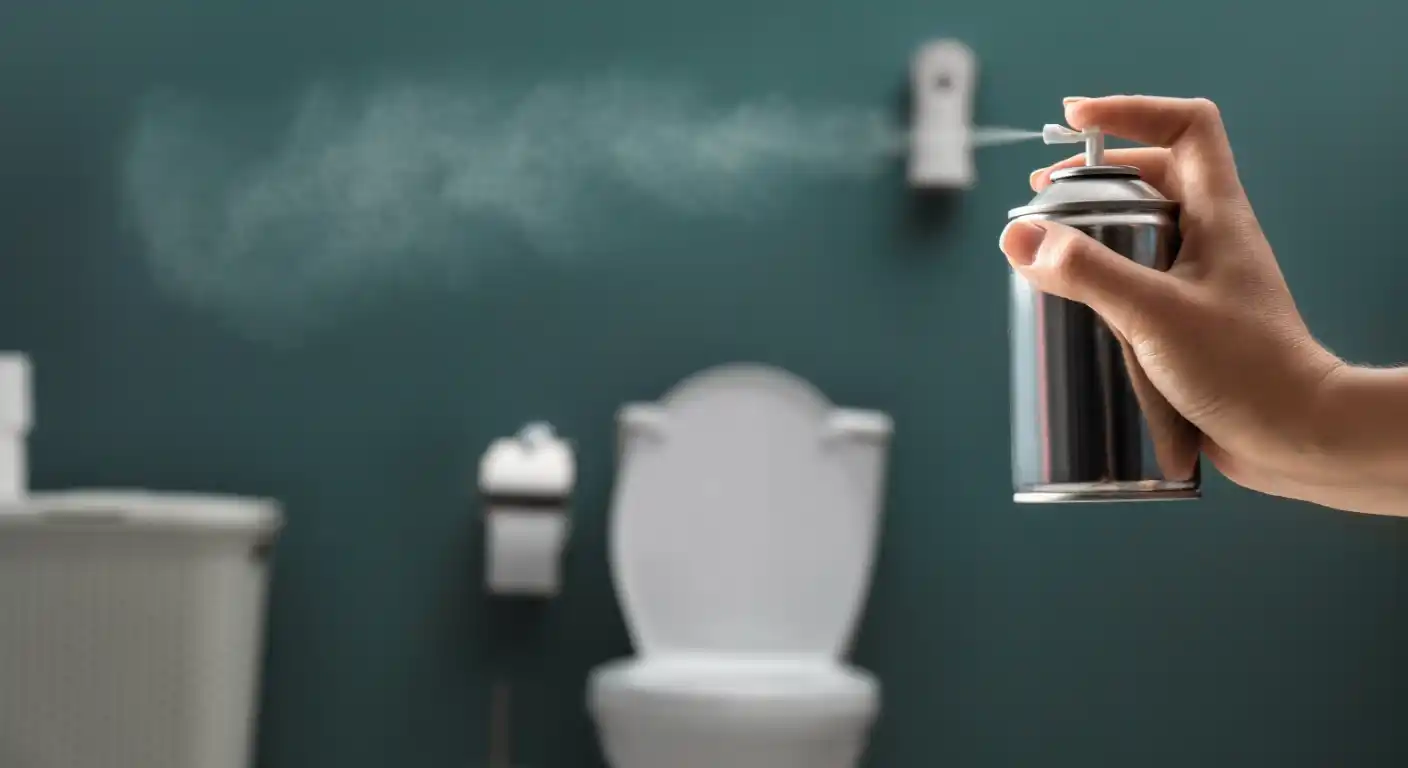
A bathroom smells like sewage most often because a dry or faulty P-trap, a cracked wax ring under the toilet, or a blocked vent stack lets sewer gas escape into the room — usually fixed fast by pouring water down unused drains, resealing or replacing the wax ring, or clearing the vent stack.
You walk into your bathroom and — yikes. That unmistakable rotten egg smell hits you right in the face. It’s unpleasant, a little alarming, and honestly embarrassing if you have guests coming over.
Don’t worry, friend. You’re not alone. This is one of the most common bathroom complaints homeowners deal with, and the good news is — most causes are easy to fix yourself.
Let’s walk through everything, step by step.
What Causes a Sewage Smell in the Bathroom?
Before you panic and call a plumber, know this: the smell is almost always caused by a simple plumbing issue, not a catastrophic problem. Here are the most common culprits.
1. Dry P-Trap — The #1 Cause
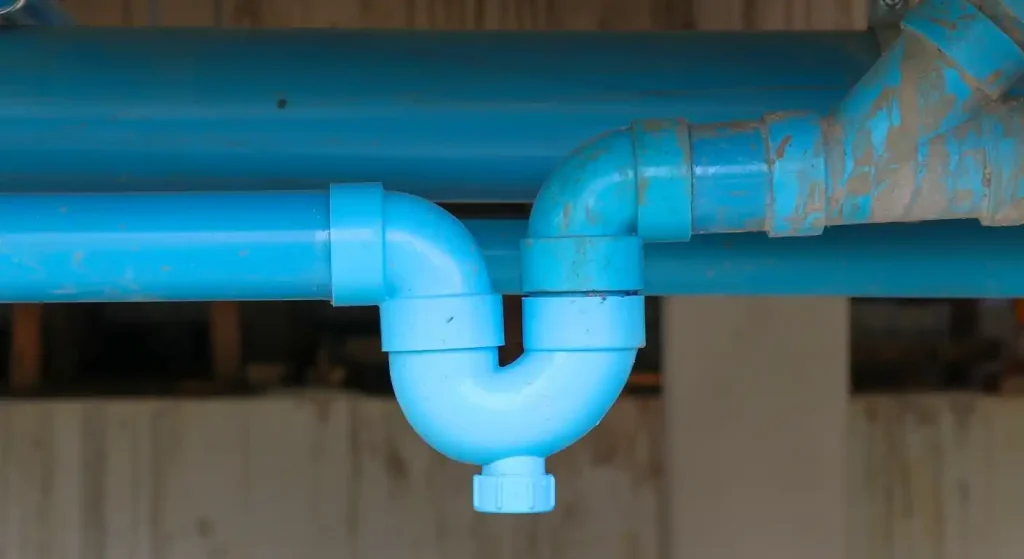
The P-trap is that curved pipe under your sink or behind your shower drain. It holds a small amount of water at all times, which acts as a seal to block sewer gases from creeping up into your bathroom.
When a drain isn’t used for a while — like a guest bathroom or a spare sink — that water evaporates. And just like that, the seal is gone and sewer gas wafts right in.
The fix: Simply run water down the drain for 30–60 seconds. That refills the trap and restores the seal. If it’s a drain you rarely use, make a habit of running it once a week.
2. Clogged or Slow Drain
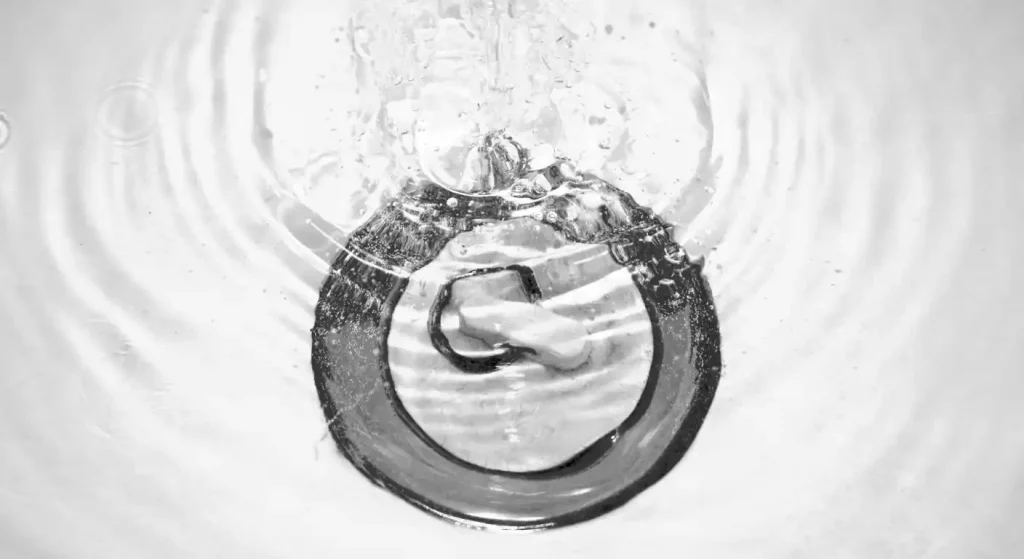
Hair, soap scum, and toothpaste buildup don’t just slow your drain — they create the perfect environment for bacteria to grow and decompose.
That decomposition? It smells exactly like sewage.
The fix: Use a drain snake or pour a baking soda + white vinegar mixture down the drain, followed by boiling water. Do this once a month and you’ll prevent buildup before it becomes a problem.
Pour 1 cup of baking soda straight down the dry drain.
Follow with 1 cup of white vinegar; let it fizz for 15 mins.
Flush it all away cleanly with a kettle of boiling water.
3. Cracked or Loose Toilet Wax Ring
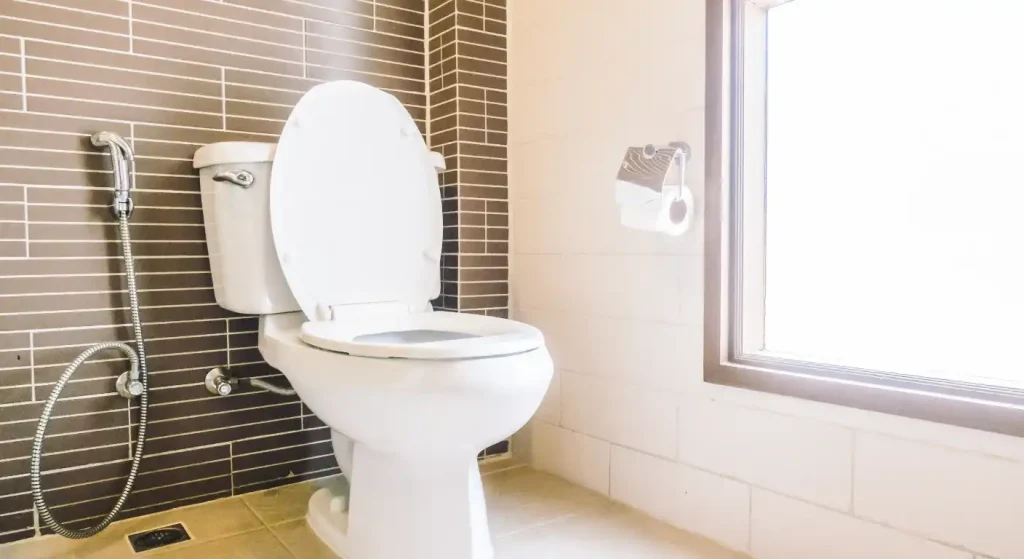
The wax ring sits at the base of your toilet, creating a watertight and airtight seal between the toilet and the floor drain. Over time, it can crack, shift, or simply wear out.
When that seal breaks, sewer gas leaks directly into your bathroom — right from the base of your toilet.
Signs to look for:
- Foul smell near the toilet base
- Slight rocking when you sit on the toilet
- Water stains around the toilet base
If your toilet wobbles even slightly, it is actively destroying your wax ring seal. Delaying this fix allows raw sewer gas and microscopic moisture leaks to compromise your bathroom subfloor, leading to hidden, expensive structural wood rot.
The fix: Replacing a wax ring is a DIY job, but it does require removing the toilet. If that sounds too involved, a plumber can do it in under an hour.
4. Blocked or Poor Bathroom Ventilation
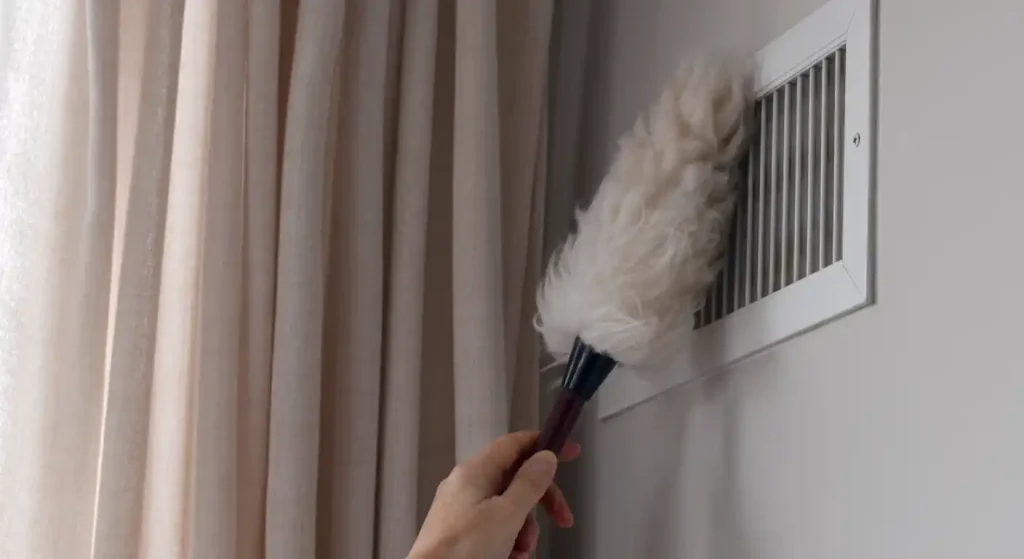
Your plumbing system has vent pipes that run through the walls and out through your roof. These vents allow sewer gases to escape safely outside.
When a vent pipe gets blocked — by leaves, bird nests, or even ice in winter — those gases have nowhere to go and get pushed back into your drains.
Signs of a blocked vent:
- Gurgling sounds from your toilet or drains
- Slow drains even after cleaning
- Sewage smell that seems to come from multiple fixtures
The fix: Have someone inspect and clear the roof vent, or call a plumber if you’re not comfortable going up there yourself.
5. Bacteria Buildup in the Toilet Tank
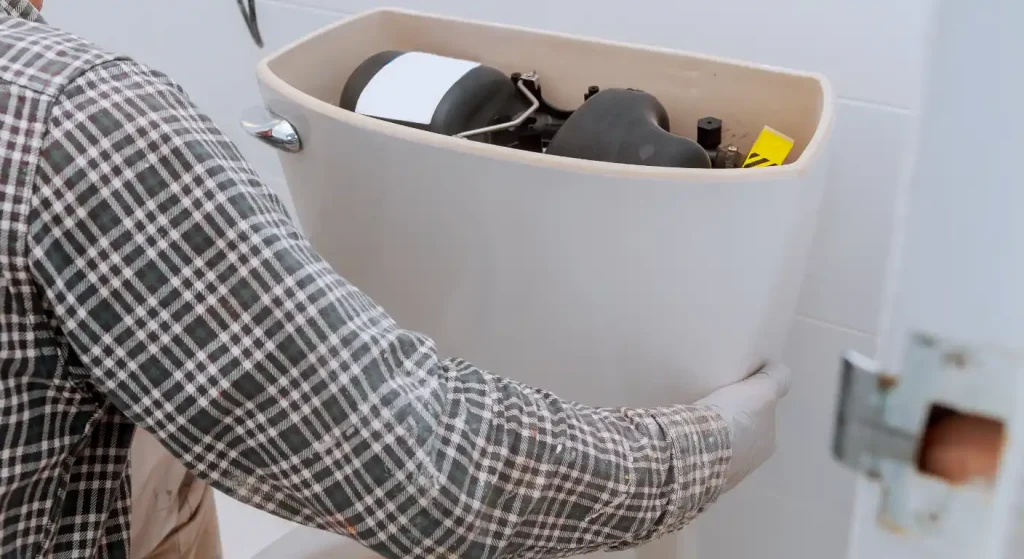
This one surprises a lot of people. The inside of your toilet tank can develop mold, mildew, and bacterial growth — especially if you haven’t cleaned it in a while.
Every time you flush, those bacteria get stirred up and can release a smell that wafts through the bathroom.
The fix: Drop a toilet tank cleaning tablet in there, or pour a cup of white vinegar into the tank and let it sit for 30 minutes before flushing. Clean the tank thoroughly every few months.
6. Damaged or Leaking Sewer Line
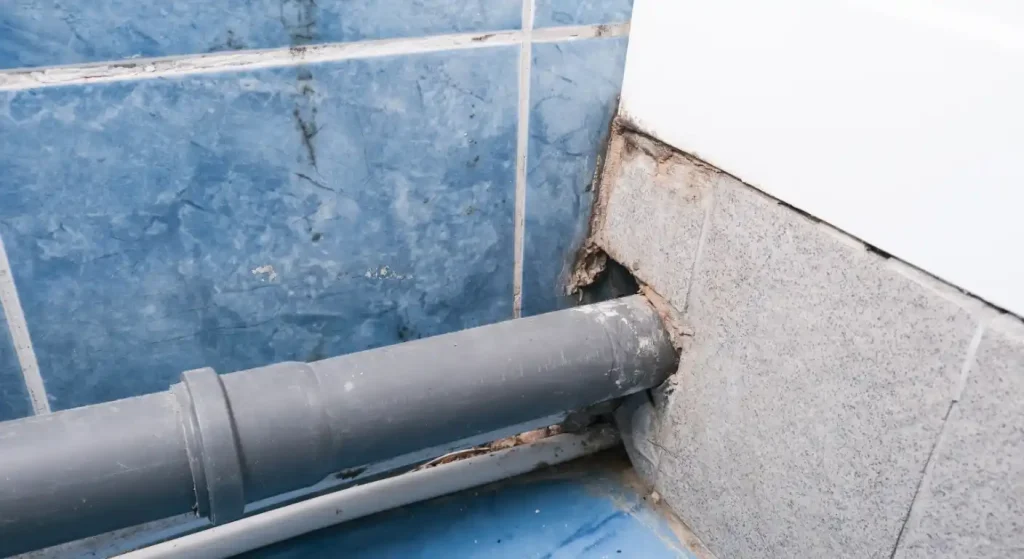
This is the less common but more serious cause. If your main sewer line has a crack or a leak — due to age, tree roots, or ground shifting — sewer gases can seep up through your floors and walls.
Warning signs:
- The smell affects multiple rooms or bathrooms
- You notice wet spots or soft patches on the floor
- The smell is persistent even after you’ve tried everything else
The fix: This one needs a professional. A plumber can run a camera inspection through your sewer line to locate the damage.
What Causes a Sewage Smell in the Bathroom?
A sulfur or sewage odor is more than just a nuisance; it is a sign that sewer gases are escaping into your home. Here are the six structural and plumbing issues usually responsible.
1. Dry P-Trap — The #1 Cause
The U-shaped pipe under your sink, tub, or shower is designed to hold a small amount of water to block sewer gases. If a drain isn’t used frequently, this water evaporates, breaking the seal and letting foul odors rise directly into the room.
2. Clogged or Slow Drain
Hair, soap scum, and organic debris can build up just below the drain cover. As this blockage sits in the pipes and decomposes, it releases a strong, rotting smell.
3. Cracked or Loose Toilet Wax Ring
The wax ring under your toilet seals the base to the drain pipe. If the toilet rocks or the wax degrades over time, the airtight seal breaks, venting wastewater gases.
4. Blocked or Poor Ventilation
Plumbing systems rely on vent pipes routing to your roof to equalize pressure and expel gas. If leaves or bird nests block this pipe, the trapped gas is forced back indoors.
5. Bacteria in the Toilet Tank
While we clean the bowl often, the tank is rarely scrubbed. Warm, stagnant water inside the tank can breed sulfur-producing microorganisms that smell like sewage.
6. Damaged Sewer Line
A cracked, broken, or collapsed main sewer pipe—whether behind the bathroom walls or under the foundation—can leak raw sewage gas directly into your home’s framing.
Quick Diagnosis Table
| Smell Location | Most Likely Cause | DIY Fix? |
|---|---|---|
| Near sink drain | Dry or dirty P-trap | ✅ Yes |
| Near toilet base | Worn wax ring | ⚠️ Moderate |
| All drains at once | Blocked vent pipe | ⚠️ Moderate |
| Throughout bathroom | Sewer line damage | ❌ Call plumber |
| Only after flushing | Tank bacteria buildup | ✅ Yes |
Simple Preventive Steps to Keep the Smell Away
Run water down all rarely used guest drains for 60 seconds.
Foam your drains out naturally with a baking soda and vinegar wash.
Inspect the toilet base visually for structural wobbles or floor moisture stains.
Drop a safe cleaning tablet inside the toilet tank to eliminate organic sulfur bacteria.
Once you’ve fixed the problem, keeping it from coming back is all about regular maintenance. Here’s a quick routine that actually works:
- Run all drains weekly — especially in rarely used bathrooms
- Clean your drains monthly with baking soda and vinegar
- Check the toilet base every few months for any wobbling or discoloration
- Inspect and clean the tank every 3–4 months
- Schedule a plumbing inspection once a year if your home is older
None of this takes more than a few minutes, and it saves you from that horrible smell — and expensive repairs down the road.
When Should You Call a Plumber?
Most bathroom sewer smells can be solved with a little DIY effort and some basic supplies. But here’s when it’s time to pick up the phone:
- The smell persists after you’ve tried all the basic fixes
- You notice sewage backup or gurgling in multiple drains
- There’s visible water damage or soft flooring near the toilet
- The odor is extremely strong and consistent
A good plumber will diagnose it quickly. Don’t wait too long — sewer gas contains methane and hydrogen sulfide, which aren’t great to breathe in large amounts over time.
Final Thoughts
So — why does my bathroom smell like sewage? Nine times out of ten, it comes down to a dry P-trap, a slow drain, a failing wax ring, or a blocked vent. All of these are fixable, most of them within the hour.
Start with the simplest solutions first. Run your drains, clean out any buildup, and check around the toilet base. You’ll likely find the source faster than you think.
Your bathroom should be your calm little sanctuary — not a room you dread walking into. A little attention today keeps the stink away for good!
