
Small Apartment vs Tiny House: The Honest Pros and Cons

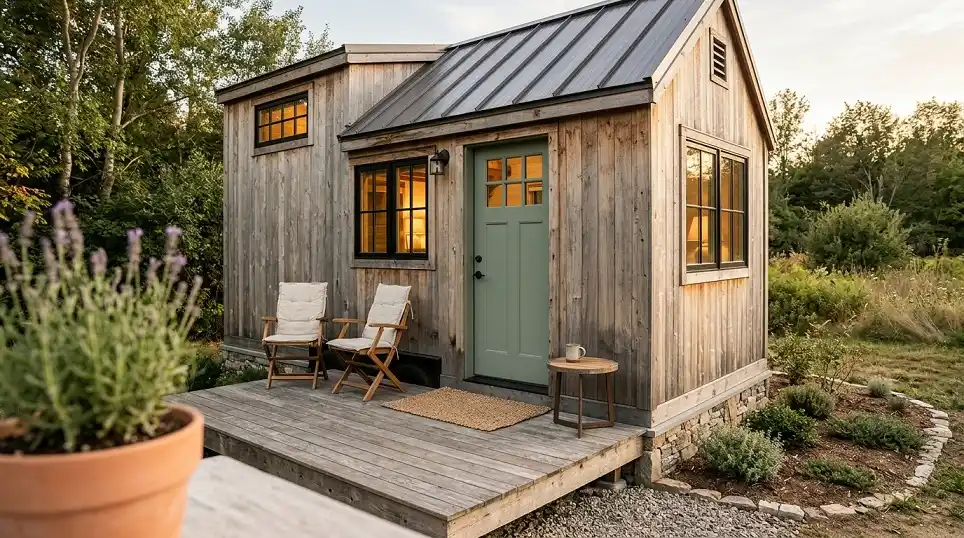
A small apartment is the better pick if you want low commitment and the freedom to move. A tiny house wins if you want to own your space, build storage into every wall, and decorate however you like.
That’s the short answer to small apartment vs tiny house, but the details decide which one you’ll love living in.
Maybe you’ve been saving photos of cabins with sleeping lofts. Or you’re eyeing a studio lease and wondering if you’d be giving up too much. Both can feel cozy and calm. Both can also feel cramped fast if the space doesn’t fit your habits.
This guide compares cost, space, storage, decorating freedom, legal limits, and daily upkeep side by side.
You’ll also get a way to test-drive tiny living before you sign a lease or buy a trailer. By the end, you’ll know which one fits your life, your belongings, and your style.
Small Apartment vs Tiny House at a Glance
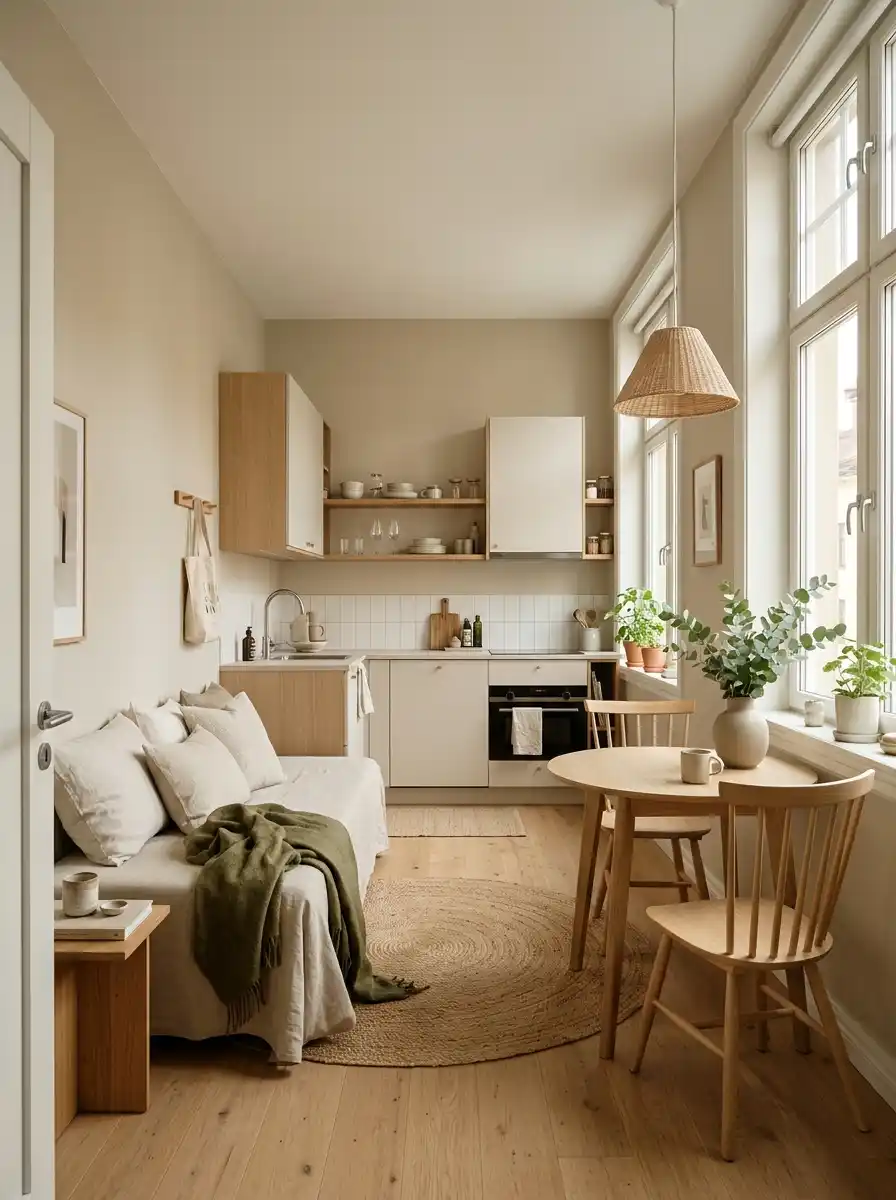
These two homes often sit in the same size range, yet they ask very different things of you. One is a place you borrow. The other is a place you own, park, and look after.
The table below lines them up on the points that matter most day to day.
| Factor | Small Apartment | Tiny House |
|---|---|---|
| Ownership | Usually rented | Usually owned |
| Typical size | Studio or 1-bedroom | 400 sq ft or less, plus loft |
| Upfront cost | Deposit and first month | The whole home, plus land or parking |
| Storage | Whatever you bring | Built into stairs, walls, floors |
| Decorating | Limited by the lease | Change almost anything |
| Location | Near shops, work, transit | Limited by zoning and parking |
| Repairs | Landlord handles them | You handle all of them |
The pattern is clear. A small apartment trades control for convenience, and a tiny house trades convenience for control. Almost every pro and con below comes back to that one swap.
On size, the International Residential Code, which many US areas use, defines a tiny house as 400 square feet or less, not counting lofts. Apartments have no such cap, so “small” can mean anything from a narrow studio to a roomy one-bedroom.
Costs Work Differently Than Most People Expect
Two friends move out in the same month. One signs a 12-month lease, and the other buys a tiny house on wheels. A year later, both have spent real money, just in very different places.
Upfront costs
An apartment asks for a security deposit, the first month’s rent, and sometimes an application fee. That’s a few months of rent at most.
A tiny house asks for the whole home at once. Regular mortgages often don’t cover houses on wheels, so many buyers use savings, a personal loan, or an RV loan if the home is certified for the road. Check your financing before you fall for a floor plan.
Monthly costs
Monthly bills look similar at first glance, but they come from different places.
- Apartment: rent, renter’s insurance, utilities, and sometimes parking or pet fees.
- Tiny house: lot rent or land payments, insurance, utilities, and loan payments if you financed.
- Both: internet, plus furniture sized for small rooms.
Costs people forget
Tiny house budgets often miss the setup work. Utility hookups, a gravel pad or foundation, permits, and delivery can add up before you sleep there one night. A trailer also needs tire and brake checks if you ever plan to move it.
Apartments have quieter extras. Rent can rise at renewal, and you can lose part of your deposit over nail holes or paint. Price out year one and year five for both before you decide.
The Square Footage Feels Different in Each
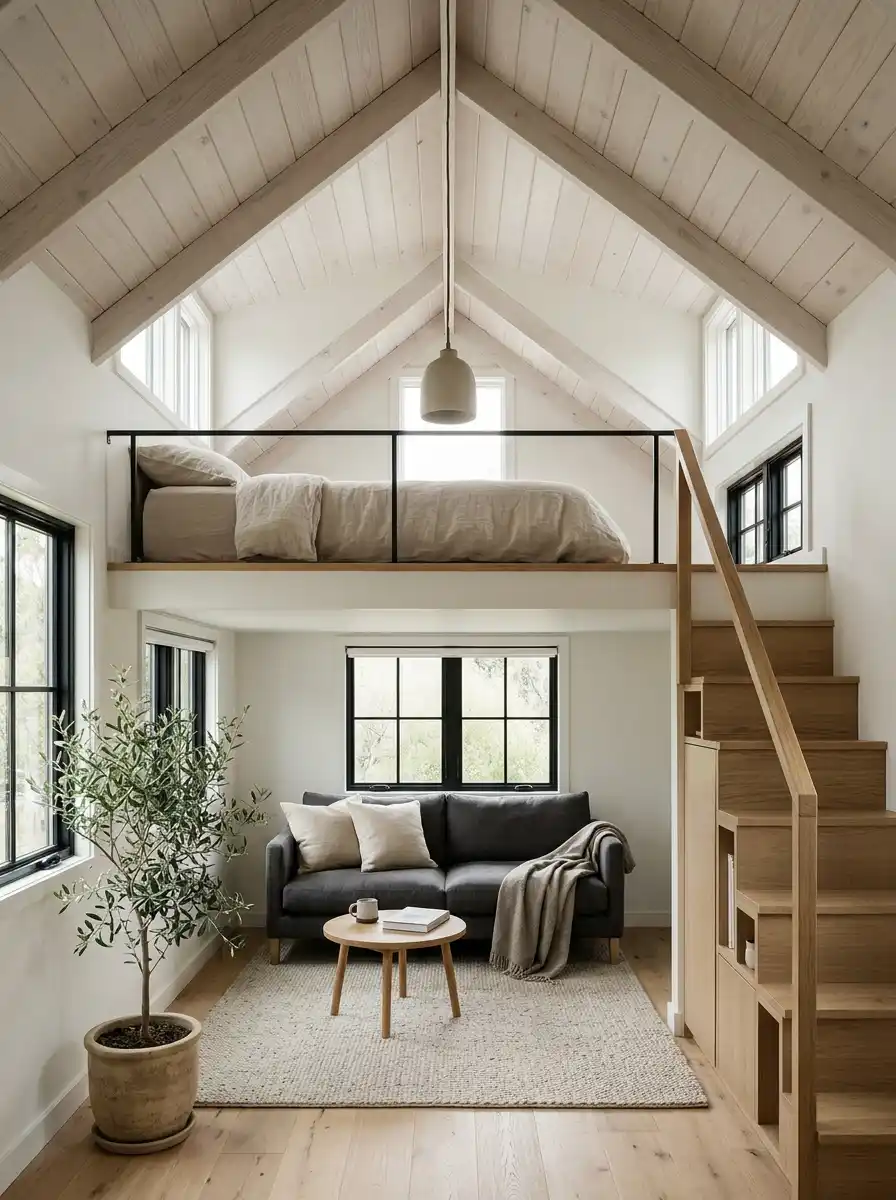
A 350 sq ft tiny house can feel bigger than a 450 sq ft apartment. The reason is height and light, not floor space.
Tiny houses often use a pitched roofline, tall windows, and a sleeping loft. That pulls your eye up and frees the main floor for living. Many apartments have flat, standard-height ceilings and windows on only one or two walls, so the room reads smaller than it is.
- Ceiling height: a vaulted tiny house ceiling feels open. A flat apartment ceiling feels boxier.
- Windows: tiny houses can have glass on all four sides. Most apartments get light from one or two.
- Layout: an apartment keeps everything on one level, with a full-size bathroom more often.
- Floor loss: stairs and ladders in a tiny house eat into usable space.
Watch for the loft. Many sleeping lofts let you sit up but not stand, and climbing a ladder half-asleep gets old fast. If your knees or back complain now, look for a ground-floor bedroom or a staircase instead of a ladder.
Storage Is Built In or Brought In
A winter coat, a vacuum, a suitcase, and a laundry basket. Those four bulky items decide whether a small home feels calm or cluttered, because none of them fold down small.
Tiny house storage
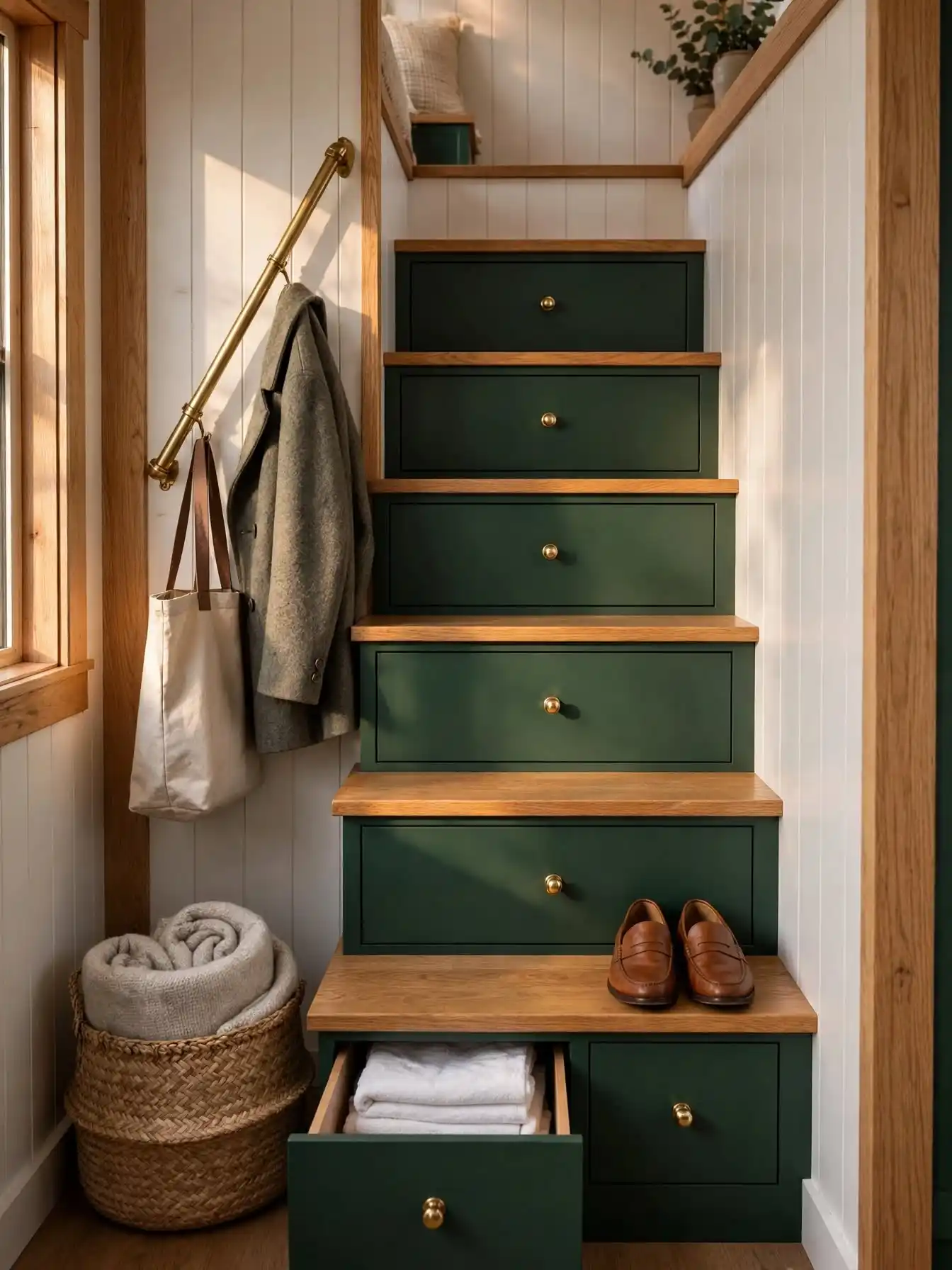
Most tiny houses are designed with storage already in the walls, floors, and stairs. Because you own the home, every inch is fair game.
- Stair drawers: each step on a storage staircase can hold shoes, towels, or pantry goods.
- Under-floor bins: raised platforms and loft edges hide off-season bedding.
- Built-in benches: dining seats with lift-up lids swallow board games and cleaning supplies.
- Wall rails and hooks: drill them anywhere for mugs, bags, and coats.
The catch is that built-ins don’t stretch. A narrow closet stays narrow forever. Coats need about 24 inches of depth to hang without getting crushed, so measure the closet before you trust the listing photos.
Small apartment storage
Small apartment living usually comes with a real closet and full kitchen cabinets. Anything beyond that has to be freestanding or damage-free.
- Bed risers: 5- to 8-inch risers make room for flat rolling bins under the bed.
- Over-door racks: use them on closet and pantry doors for shoes or spices.
- Tall, narrow shelving: a 12-inch-deep bookcase holds a lot without eating floor space.
Tall shelves need an anti-tip strap, and that means one small screw in the wall. Ask your landlord first. Most say yes when you mention safety.
Decorating Freedom Is the Biggest Hidden Difference
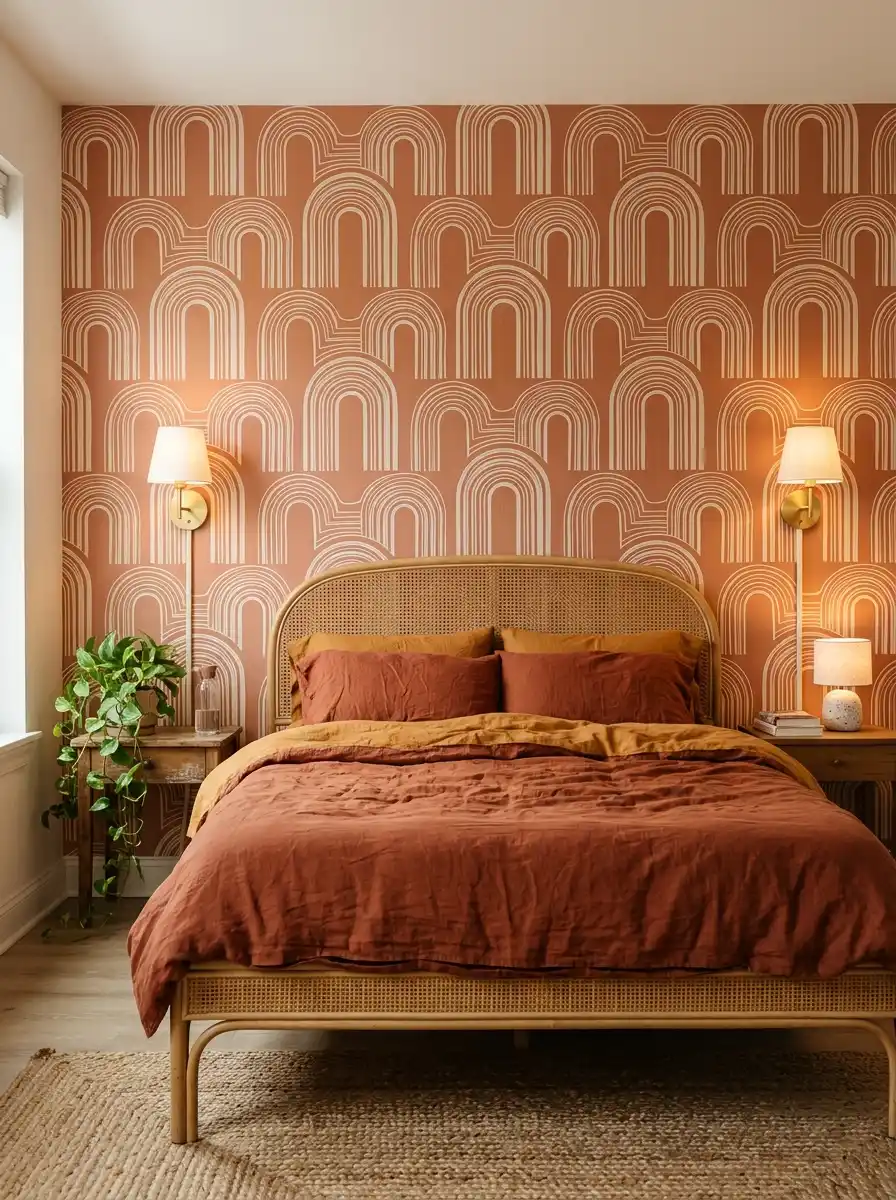
If you rent, your landlord gets a say on almost every wall you touch. A tiny house owner can paint the ceiling navy on a Saturday morning and answer to no one. For anyone who loves decor, this one factor often outweighs cost.
Here’s what each home typically lets you change.
| Change | Small Apartment | Tiny House |
|---|---|---|
| Paint colors | Often needs approval | Any color, anytime |
| Wall shelves | Small holes, sometimes | Anchor anywhere |
| Light fixtures | Usually no | Swap freely |
| Flooring | Rugs only, in most leases | Replace it |
| Built-ins | No | Add or rebuild |
Apartment decor comes down to things you can remove. Tiny house decor is closer to renovation, and you can change the bones of the space.
Renters still have good options:
- Peel-and-stick wallpaper on one accent wall. Test a small patch first, since it can pull flat paint off when removed.
- Plug-in wall sconces, with cord covers painted to match the wall.
- A large rug to mark off a living zone in a studio.
- Adhesive hooks and strips for light art, kept under the weight limit on the package.
Tiny house owners have one rule of their own. If your home is on wheels, every shelf, frame, and lamp has to be secured before a move. Glass vases and loose ceramics travel badly.
Where You Can Legally Live and Park Matters More Than Style
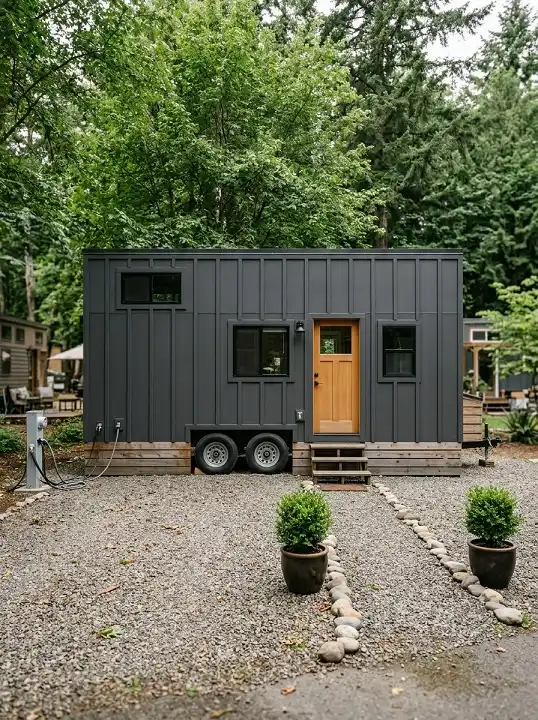
A tiny house is only as good as the spot you can legally put it. Many towns set minimum home sizes or limit living full time in a home on wheels, and these rules change from one county to the next.
Most tiny house owners end up in one of these places:
- Tiny house communities or RV parks that allow full-time living.
- A backyard, as an accessory dwelling where local rules allow it.
- Rural land, often with a permanent foundation and full permits.
Wheels and foundations follow different rules. A home on a foundation is usually treated like a house, with permits and inspections, and it stays put. A home on wheels is easier to move but harder to live in full time in some areas.
Apartments skip this headache entirely. You also get perks like walkable streets, transit, and on-site laundry. Before you buy a tiny house, call your local planning office and ask exactly where it can legally sit.
Daily Life, Noise, and Upkeep Look Nothing Alike
It’s 7 a.m. In the apartment, someone upstairs is walking across the room in hard shoes. In the tiny house, it’s silent, but the water tank light is blinking.
That’s the daily trade. Apartment life comes with shared walls, neighbor noise, and cooking smells drifting down the hall. In return, someone else fixes the leaking faucet and the broken water heater.
Tiny house life is quieter and more private. You also become the maintenance crew. Depending on the build, your regular chores might include:
- Refilling propane for the stove or water heater.
- Emptying a composting toilet every few days to few weeks.
- Checking water and waste tanks if you’re not hooked up to city lines.
- Clearing gutters and checking the roof after storms.
Moisture is the problem most new owners don’t see coming. Cooking, showers, and breathing in a small space fill the air with damp, and condensation collects on windows and under loft mattresses.
Run the vent fan every time you cook or shower. Put a slatted base or an anti-condensation mat under the mattress so air can move. Heat also rises into the loft, so keep a small clip-on fan up there for summer nights.
Resale, Flexibility, and the Long Game
An apartment lease ends, and you walk away. A tiny house stays yours until you find a buyer.
That freedom matters more than people expect. Lives change in five years. A new partner, a dog, a home office, or an aging parent can turn a perfect tiny space into a tight one.
A tiny house on wheels often loses value over time, more like an RV than a house. A tiny house on a foundation, on land you own, behaves more like regular real estate. Either way, the pool of buyers is smaller, because each one also needs a legal place to put it.
Before choosing, picture yourself five years out:
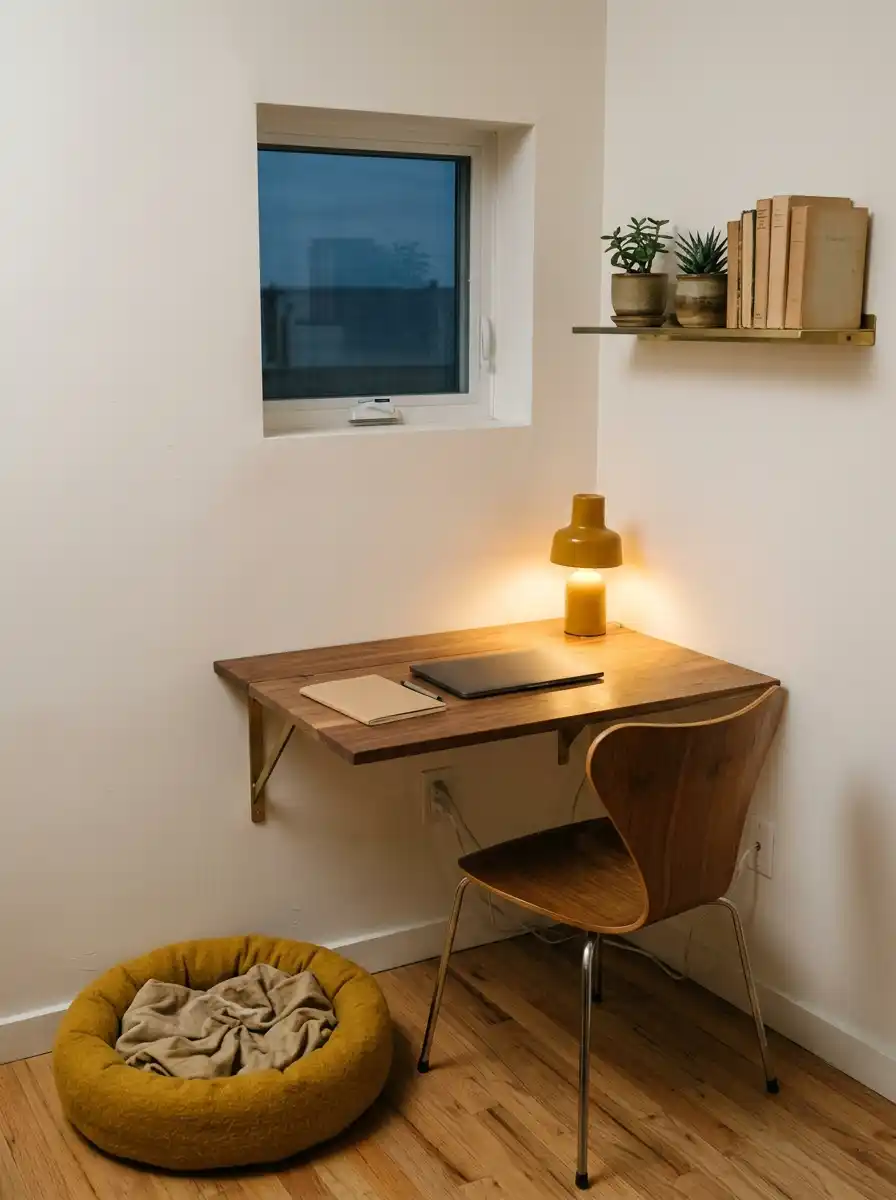
- Will you work from home? A desk needs a permanent spot.
- Might your household grow? Even one more person doubles the bathroom traffic.
- Could you need to move for work? Hauling a tiny house takes a hired driver and road permits.
Test-Drive Both Before You Commit
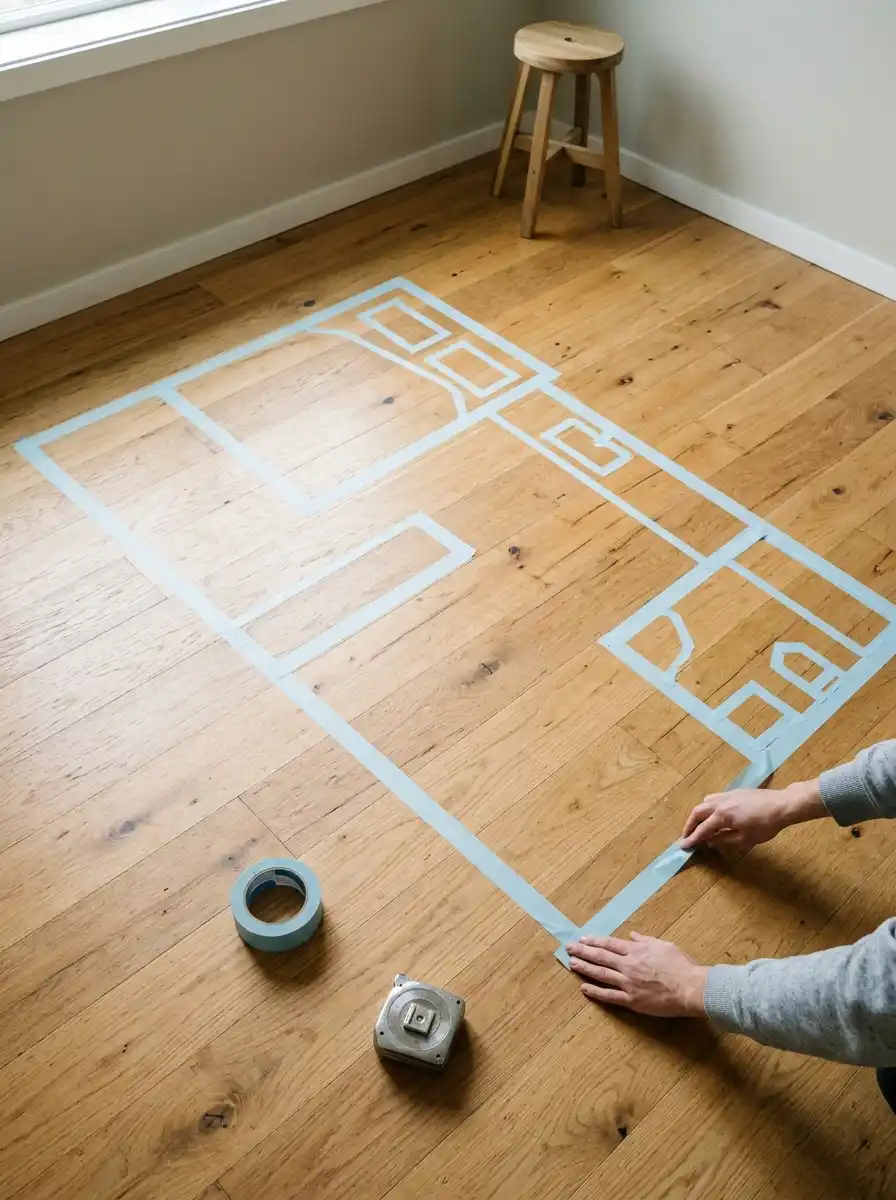
A roll of painter’s tape is the cheapest research tool you’ll ever buy. Most people pick a home from photos and floor plans. Living inside the actual dimensions for a few days tells you far more.
Work through these steps in order:
- Tape out the floor plan. Pick a real tiny house or apartment listing and mark its outline on your floor, including the counter, bed, and bathroom.
- Walk your morning routine inside the lines. Make coffee, get dressed, and pack a bag without stepping outside the tape.
- Measure your keepers. List the furniture you won’t give up, like a sofa, desk, or dining table, and check whether each one fits the taped space.
- Live in one room for a week. Close off the rest of your home except the bathroom, then cook, work, and sleep in that room.
- Book a tiny house stay of two nights or more. One night feels like a vacation. The second morning shows you the real routine.
Pay attention to how you feel at the end. If the small space felt like relief, a tiny house will probably suit you. If you kept reaching for things in other rooms, a small apartment or a larger tiny house is the safer pick.
When you book the stay, choose a house with the features you’re considering, such as a ladder loft or a composting toilet. That way, you test the hard parts, not only the cute ones.
Which Should You Choose?
So, is a tiny house worth it? It is if owning and shaping your space matters more to you than flexibility. If you’d rather keep your options open, a small apartment is the stronger fit.
Use this table to match the choice to your life right now.
| Choose a Small Apartment If… | Choose a Tiny House If… |
|---|---|
| You may move within a few years | You plan to stay put for many years |
| You want repairs handled for you | You like fixing and building things |
| You need a city or walkable area | You have land or a legal spot lined up |
| You want low upfront costs | You can pay for or finance the whole home |
| Your furniture is full-size | You’re ready to downsize most pieces |
| You rent and decorate with removables | You want to paint, drill, and build in |
If most of your answers land in one column, that’s your answer. A split usually means timing is the real question, not the home itself.
Still torn? These middle paths let you try one without fully giving up the other:
- Rent a tiny house for a few months before buying one.
- Live in a small apartment now while you save and search for land.
- Look into a backyard tiny house on family property, where local rules allow it.
Whichever you pick, you’re choosing the same thing at heart: less space, less stuff, and a home where everything has a place.
FAQs
Is a tiny house cheaper than renting an apartment?
Over many years it often is, but not always. Once a tiny house is paid off, rent stops, yet lot rent, insurance, utilities, and repairs keep coming. A home on wheels can also lose value over time. To compare tiny house vs apartment cost fairly, add up five years of every bill for both, not only the monthly payment.
Can you live in a tiny house full time?
Yes, in many places, but only where local rules allow full-time living. When you call your planning office, ask three questions. What is the minimum home size here? Are backyard units allowed? How long can someone live in a home on wheels? Get the answers by email before you buy land or a home.
What tiny home decor ideas make a small space feel bigger?
Light walls, raised furniture, and fewer but larger pieces make the biggest difference. Paint the walls and ceiling the same soft white or pale gray so the edges blur. Choose a sofa and tables on legs so the floor shows underneath. Hang a mirror across from a window to bounce light. Stick to three main colors so the room looks calm instead of busy.
How much stuff can you fit in a tiny house?
Less than most people expect, so plan to keep one of most things. Everyday items usually fit. Seasonal clothes, hobby gear, and holiday decor are what overflow. Before you move, pack anything you haven’t used in 60 days into labeled boxes. If a box stays closed for three more months, you probably don’t need it in a tiny house.
