
How to Get Rid of Flies in Backyard

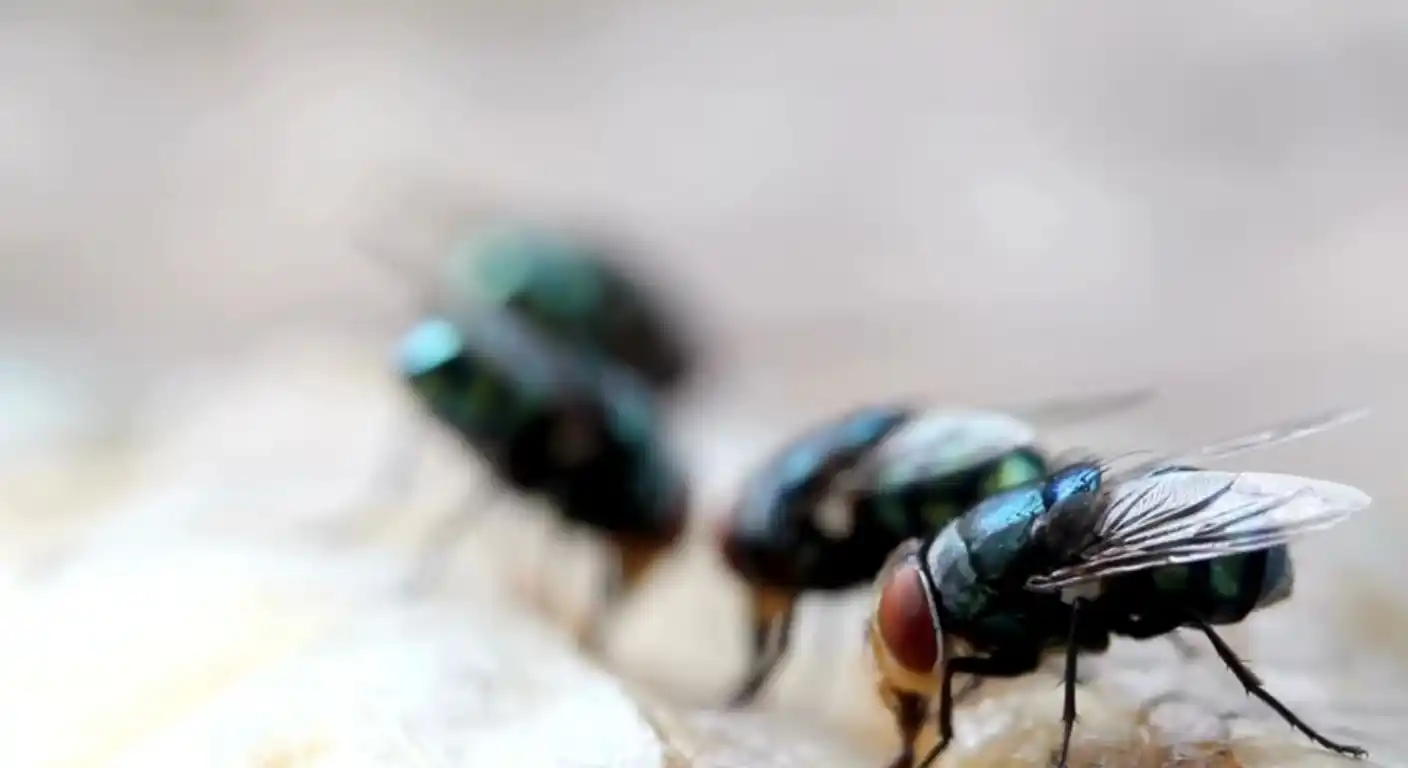
Flies in your backyard are attracted to rotting food, standing water, and animal waste; the most effective solution combines sanitation practices with natural repellents, traps, and environmental management to eliminate breeding sources and deter flying insects from outdoor spaces.
Picture this: you’re finally settling into your comfortable backyard chair, fork in hand, ready to enjoy a peaceful meal when suddenly—they arrive.
A swarm of pesky flies descends without warning, turning your outdoor sanctuary into a frustrating nightmare. You find yourself swatting constantly, covering your drink, and wondering why they seem magnetically drawn to your patio.
The itch to head back inside becomes overwhelming. But before you surrender your backyard, know this: flies aren’t invincible.
With the right strategies—combining cleaning habits, natural deterrents, and strategic traps—you can reclaim your outdoor space and enjoy fly-free gatherings all summer long.
How to Get Rid of Flies in Backyard: Understanding the Problem
The fundamental solution to eliminating backyard flies requires identifying attraction sources—food waste, standing water, and moisture—then implementing a multi-pronged approach involving sanitation, environmental modification, and active control methods.
Flies are attracted to rotting food, garbage, and organic waste because they find nutrients in trash and food debris, with the rotting smell being particularly attractive to flies seeking a mate.
House flies feed on decaying organic material and waste, including kitchen garbage, pet waste, and animal food, which is why they swarm around trash cans and outdoor enclosures.
To effectively eliminate backyard flies, you must address multiple factors simultaneously.
First, eliminate all food and moisture sources that flies need to breed and survive. Most fly species need a moist environment to lay their eggs and complete their life cycle, so reducing water sources can definitely help.
Next, implement preventative measures like proper sanitation and environmental management.
Finally, use traps and natural repellents to control existing fly populations. The key is understanding that a single method rarely works alone—success comes from combining several approaches tailored to your specific situation.
This comprehensive strategy ensures you’re not just treating symptoms but addressing root causes of the infestation.
How to Get Rid of Flies in Backyard Fast
The fastest way to reduce flies quickly is using electronic bug zappers combined with immediate sanitation, which provides rapid results while addressing underlying breeding sources.
Electronic bug zappers provide immediate satisfaction in fly-fighting efforts, with ultraviolet light attracting flies and other flying insects, then zapping them when they make contact with the electrified grid.
For rapid fly reduction, install a zapper about 15 feet from your patio area—this creates an immediate perimeter of protection that works day and night.
While the zapper handles active flies, simultaneously implement emergency sanitation: remove all trash, secure garbage cans with tight-fitting lids, and pick up any visible debris.
Keeping outdoor spaces clean by regularly sweeping patios, cleaning grills after use, and promptly removing rotten fruits or vegetables from gardens is one of the most effective ways to keep pests from multiplying.
You can also set up oscillating fans on your patio—flies struggle to maintain flight in strong air currents and naturally avoid the wind.
For immediate results within 24-48 hours, combine these methods: zapper for active flies, fans for prevention around seating areas, and sealed trash containers to eliminate breeding sources.
How to Get Rid of Flies Outside a Patio
The best patio solution combines physical barriers (fans and screens), natural repellents (citronella and pine oil), and sanitation to create a fly-free entertaining space.
Your patio is where you want to enjoy meals, drinks, and conversations—not swat insects.
Setting up oscillating fans or overhead fans on your deck or patio helps keep flies away from your grill or tables since they can’t fly well in strong breezes and don’t like flying into air currents.
Additionally, pine oil or pine oil-based cleansers like Pine Sol can be used to clean furniture on patios and decks, as flies hate the smell of pine and will be deterred.
Implement these patio-specific strategies: Install citronella-scented candles on your patio or porch, as citronella has been used as an insect repellent for decades and flies hate the smell.
Position oscillating fans to blow air away from your main seating area. Clean your patio furniture and surfaces regularly with pine-based cleaners. Remove any standing water from planters or decorative features.
Keep food and drinks covered when not actively eating. For an outdoor reference on maintaining fly-free patios, the EPA’s guidance on outdoor pest management provides science-backed recommendations.
Patio Defense Strategy
- Airflow: Oscillating fans disrupt fly flight patterns.
- Scents: Use pine-oil based cleaners on deck furniture.
- Citronella: Place candles at seating corners.
- Maintenance: Keep all drinkware and plates covered.
How to Get Rid of Flies in Backyard with Dogs
When dogs are present, the safest approach combines daily waste removal with dog-safe natural repellents and sealed trash storage to prevent flies without exposing pets to harmful chemicals.
Flies are attracted to dog feces because that’s where they lay eggs that hatch into maggots, as maggots feed on dead matter and dog poop is full of that.
Female flies lay eggs in feces, which hatch into larvae within 12-24 hours, so if waste sits in your yard for even a short period, it becomes an instant fly magnet. The most critical step when you have dogs is immediate waste removal.
Make sure to scoop up dog poop as soon as possible, as the longer you leave it out, the longer flies will have the chance to lay eggs that can then hatch and eat new dog poop in the days to come.
Use these dog-safe practices: pick up waste daily in sealed bags; avoid using chemical insecticides around areas where dogs play; sprinkle pelletized agricultural lime over areas where your dog frequently goes, as it increases pH, neutralizes acidic odors of urine and feces, and creates an environment less hospitable to fly larvae.
Consider investing in in-ground pet waste disposal systems like Doggie Dooley, which allows you to dig a hole and drop in dog waste, removing a breeding ground before flies have a chance to lay eggs.
Avoid chemicals where pets play. Instead, utilize agricultural lime to neutralize odors and create an alkaline barrier. Always prioritize scooping waste daily to eliminate the larval breeding cycle before it begins.
How to Get Rid of Flies in Backyard Naturally
Natural fly control uses essential oils, repelling plants, and environmental modifications to eliminate flies without chemical pesticides, relying on scents and habitat changes that naturally deter insects.
Nature provides powerful fly deterrents that work without synthetic chemicals. Combine 10 drops each of lemongrass, eucalyptus, and peppermint oils with water in a spray bottle and apply to outdoor surfaces flies typically land on, as the natural compounds in these oils confuse and repel flies.
Certain herbs containing essential oils and emitting organic compounds that naturally repel flies include lavender, eucalyptus, mint, citronella, and rosemary—planting these in your garden can help keep away pests in the long run.
Plant repelling herbs around your patio perimeter or in garden beds. Beyond plants, you can fill a jar with apple cider vinegar and a tablespoon of sugar, cover it with plastic wrap secured with a rubber band, and poke holes in the top to trap flies that dive into the jar.
For comprehensive natural methods, consult Mosquito Joe’s natural fly control guide which provides additional plant-based solutions.
How to Get Rid of Flies in Backyard from Dog Poop
The definitive solution for dog-waste-related flies is daily removal combined with natural odor neutralizers and strategic barrier traps positioned away from play areas.
The only proven way to stop flies from dog poop is to eliminate their food and breeding source through consistent, proper dog waste management—scooping poop daily if possible, especially in summer when flies are most active.
Once you pick up waste, you can spray the ground or concrete patio with a mixture of 1 part water with 1 part white vinegar, as the acetic acid acts as a natural repellent and neutralizes ammonia in urine while leaving a scent flies find unpleasant.
Additional strategies include: placing dog poop immediately in sealed bags in sealed trash bins; avoiding open compost piles where your dog’s waste might decompose slowly; positioning sticky traps around the yard perimeter, away from where dogs play.
After removing dog poop, you can dust the grass with food-grade diatomaceous earth, which works efficiently, costs little, and doesn’t harm plants or animals.
Never leave bagged waste sitting exposed on the side of your house—this remains attractive to flies.
How to Get Rid of Flies in Backyard Home Remedies
Homemade fly remedies using household ingredients like vinegar, essential oils, and dish soap create effective traps and repellents that eliminate flies without commercial pesticides.
Your kitchen contains powerful fly-fighting ingredients. A famous home recipe is the Vinegar Trap: fill a disposable container with water, sugar, dish soap, and a few tablespoons of apple cider vinegar, stir together, and place near fly-infested areas—the flies will be attracted to the solution and drown as soon as they touch the water. Try these additional remedies:
Home Remedy Table:
| Remedy | Key Ingredients | Effectiveness |
|---|---|---|
| Vinegar Trap | ACV, Dish Soap, Sugar | High |
| Essential Oil Spray | Lemongrass, Eucalyptus | Medium-High |
| Cayenne Spray | Water, Cayenne Pepper | Medium |
| Clove-Lemon | Lemon, Whole Cloves | Medium |
Mix one cup of water and one teaspoon of cayenne pepper in a misting bottle and spray it near entryways and wherever you see flies, as other natural fly repellents include lemongrass, peppermint, eucalyptus, camphor, and cinnamon.
Leaving discarded orange or citrus peels by window sills and doors creates an aroma that will deter flies, and cutting a lemon in half and sticking cloves in it creates a strong fly repellent thanks to the smell.
How to Get Rid of Flies in Backyard DIY
DIY fly control involves building homemade traps using basic materials, creating repellent sprays from essential oils, and implementing environmental modifications without commercial products.
Building your own fly solutions gives you control and saves money. Pour a cup of apple cider vinegar into a mason jar with a few drops of dish soap, sprinkle a pinch of sugar on top, cover with plastic wrap, put a rubber band around the rim, and poke small holes in the wrap—then place the DIY trap near the fly breeding spot.
For a sugar-water trap, mix a quarter cup of sugar and one cup of water in a mason jar, roll a stiff piece of paper into a cone, cut off the point, and position it in the jar where the tapered end is just above the sugar water.
Create natural repellent spray by combining essential oils with water—use 10-15 drops of eucalyptus, peppermint, or lemongrass oil per cup of water. Build physical barriers by setting up fans to disrupt fly flight patterns.
For drain flies (if present), pour boiling water mixed with baking soda down outdoor drains. Clean your grill thoroughly after each use to remove attractant residues.
Conclusion
Reclaiming your backyard from flies doesn’t require surrendering to pesticide sprays or professional treatments.
By combining daily sanitation practices, natural repellents, strategic traps, and environmental modifications, you create an unwelcoming space for flies while maintaining a safe haven for your family and pets.
The key is consistency—maintain these practices throughout summer months, and you’ll enjoy the peaceful, fly-free backyard gatherings you deserve.
FAQs About Getting Rid of Backyard Flies
Q: How long does it take to eliminate a backyard fly infestation?
A: With consistent effort, you should see significant improvement within 3-7 days; complete elimination typically takes 2-3 weeks depending on infestation severity and source elimination.
Q: Can vinegar traps alone get rid of all backyard flies?
A: While vinegar traps effectively catch flies, they work best combined with sanitation and source elimination—using traps alone may provide temporary relief but won’t permanently solve the problem.
Q: Are essential oils safe to use around dogs and children?
A: Most essential oils used in diluted sprays are safe; however, avoid direct contact with pets and ensure proper dilution—consult your veterinarian for dog-specific concerns.
Q: What’s the most effective fly deterrent for outdoor entertaining?
A: Combining oscillating fans (disrupts flight), citronella candles (repels), and sealed garbage containers (eliminates sources) creates the most effective entertaining environment.
Q: Why do flies keep returning to my backyard even after treatment?
A: Flies return when breeding sources remain—standing water, unsealed trash, rotting debris, or pet waste—address these sources to prevent reinfestation permanently.
