
10 Best DIY Pool Ideas That Are Worth It According to Real Homeowners

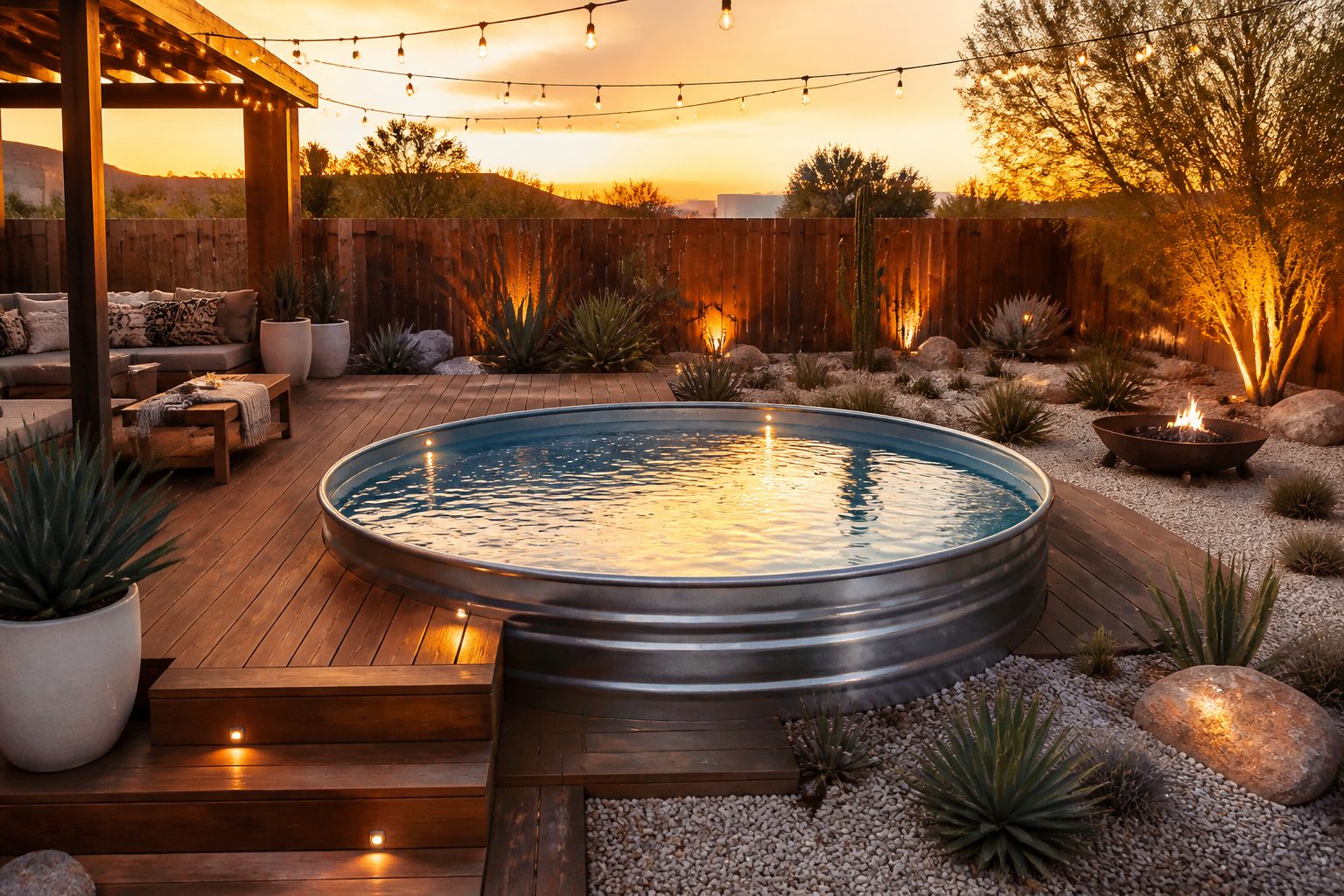
Forget shelling out fifty grand for a traditional in-ground pool. Real homeowners are getting creative with DIY pool projects that actually work, and the results are seriously impressive.
From stock tanks to shipping containers, these budget-friendly alternatives prove you don’t need a contractor’s phone number to create your own backyard oasis.
We talked to people who’ve actually built these pools, and they’re sharing what works, what doesn’t, and why their DIY creations were totally worth the effort.
1. The Classic Stock Tank Pool With Desert Vibes
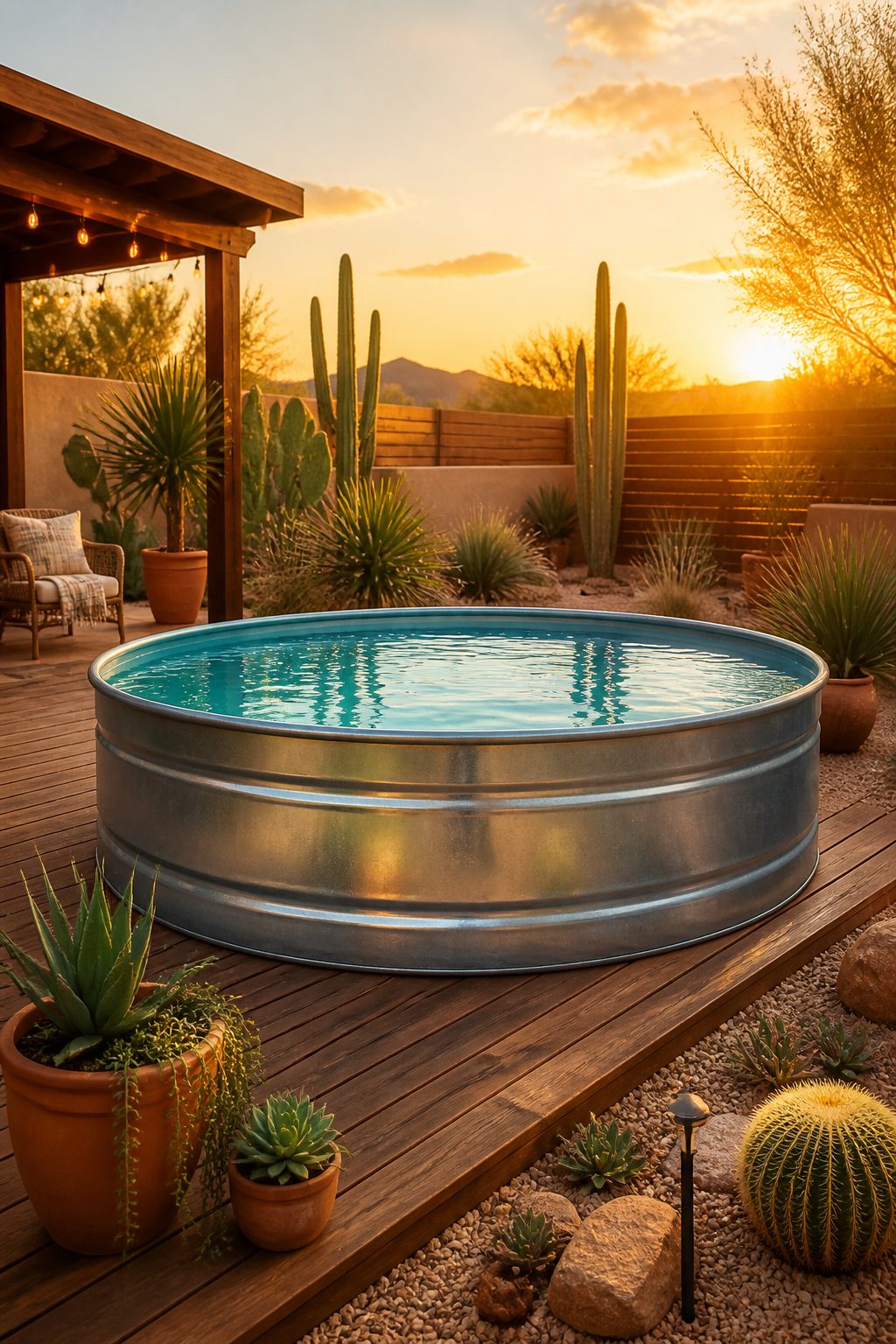
Picture a giant galvanized metal stock tank nestled into a deck surrounded by drought-tolerant plants and gravel. This is the OG of DIY pools, and homeowners swear by it for good reason.
Real homeowners love these because you can set one up in a weekend. The galvanized steel holds up incredibly well, and the 8-foot diameter tanks are surprisingly spacious for cooling off.
Most people add a simple pool filter system (around $200) and treat the water just like a regular pool.
What Makes It Work:
- Galvanized stock tanks in 6 to 10-foot diameters
- Simple sand filter and pump system
- Composite decking built around the perimeter
- Desert landscaping with agave, yucca, and decorative rocks
- String lights overhead for evening ambiance
The southwestern aesthetic works perfectly here. Homeowners in hot, dry climates especially appreciate that these tanks don’t require the same water consumption as traditional pools. Plus, that industrial metal finish looks incredibly cool against natural wood decking.
2. The Shipping Container Pool With Modern Architecture
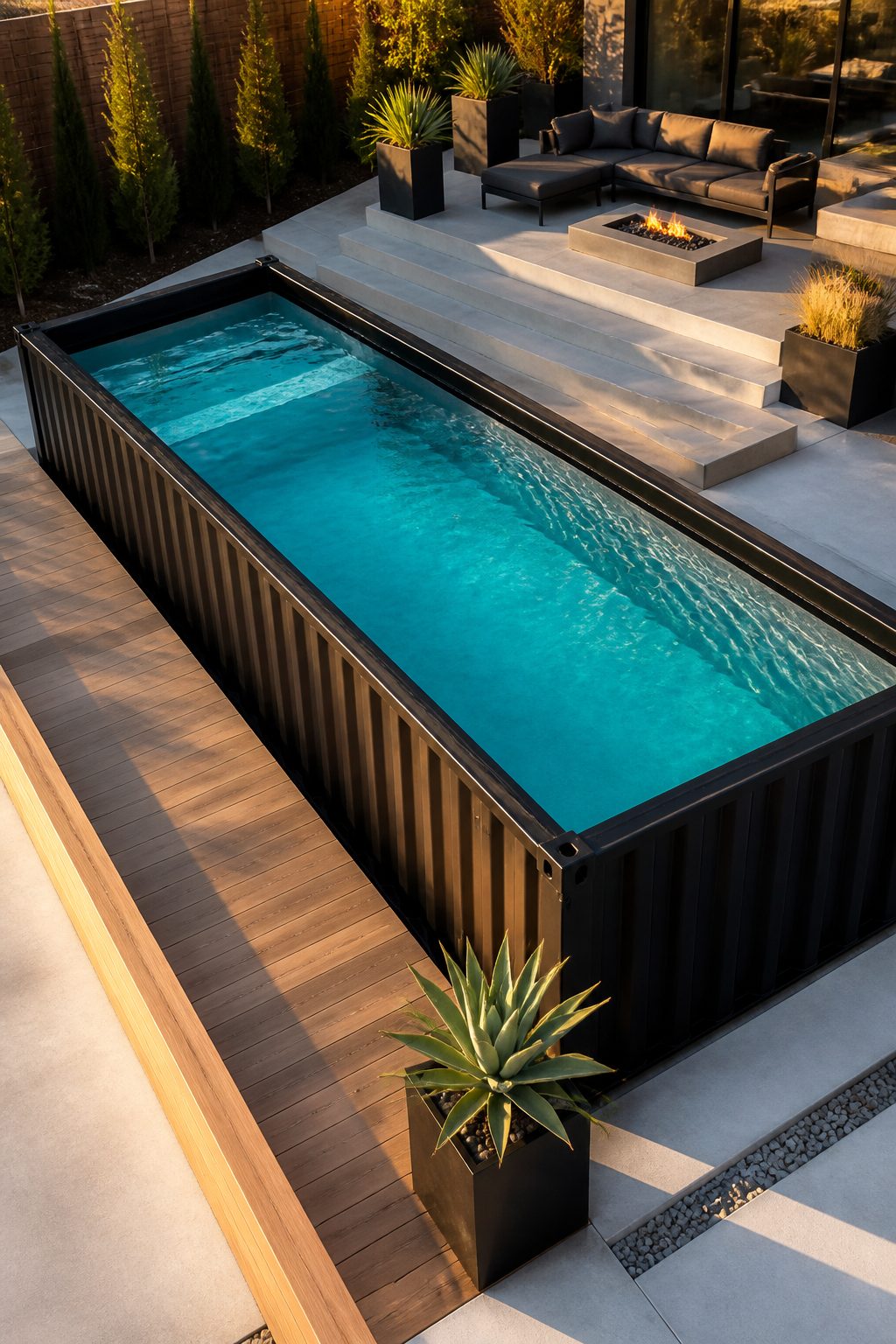
Yes, people are actually converting shipping containers into sleek, modern pools. And honestly? They look like something from an architectural magazine.
The typical setup uses a 20 or 40-foot shipping container that’s been waterproofed and fitted with a fiberglass or epoxy lining. Homeowners rave about the contemporary aesthetic and the fact that you can partially bury these or keep them above ground. The corrugated metal exterior either gets painted in bold colors like matte black or navy blue, or left with that raw industrial look.
Key Features Homeowners Add:
- Built-in bench seating along one side
- Glass panel viewing windows (seriously cool)
- Integrated steps and ladder system
- Modern deck surround in composite or ipe wood
- LED underwater lighting
This option requires more skill than most DIY projects, but homeowners who’ve tackled it say the unique factor alone makes it worth it. Your neighbors definitely won’t have one of these.
3. The Natural Swimming Pond With Regeneration Zone
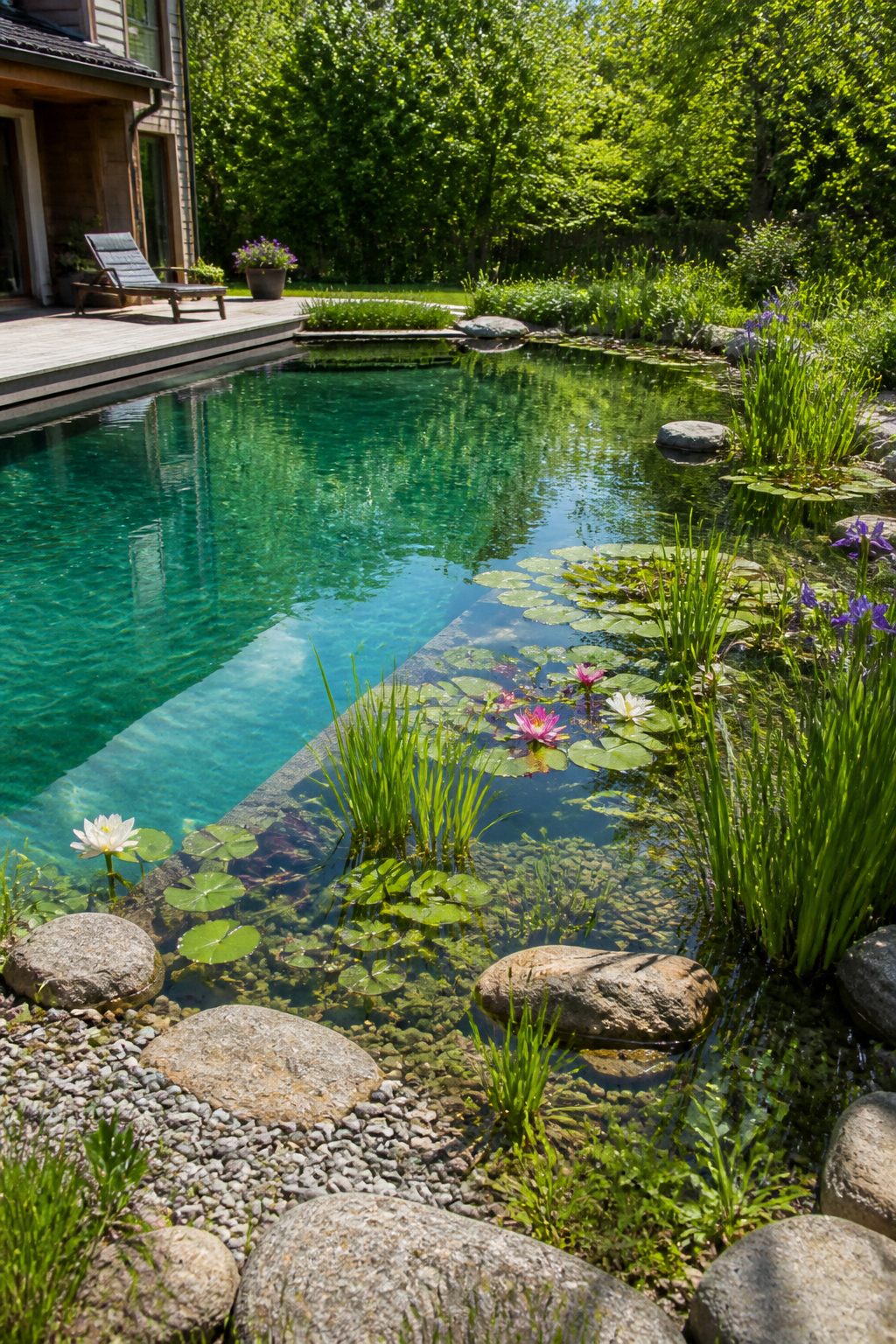
Forget chlorine—this is swimming the way nature intended. Natural swimming ponds use plants and beneficial bacteria to keep water clean, and they look absolutely gorgeous.
The design splits into two zones: the swimming area (typically lined with rubber membrane or bentonite clay) and the regeneration zone filled with aquatic plants. Homeowners create a gravel biofilter where beneficial bacteria break down contaminants, while plants like water lilies, rushes, and iris naturally filter the water.
The aesthetic is pure tranquility. Think natural stone edges, bog plants creating a soft perimeter, and water that looks like a pristine mountain pond. Some homeowners add a small waterfall or stream feature for circulation and ambiance.
What You’ll Need:
- EPDM rubber liner or bentonite clay lining
- Aquatic plants (at least 50% of total surface area)
- Gravel filtration bed
- Low-energy circulation pump
- Natural stone coping and beach entry
Real homeowners love that these ponds attract wildlife like dragonflies and birds. The maintenance is different from traditional pools, but once established, the ecosystem basically runs itself. Perfect for the eco-conscious swimmer.
4. The Semi-Inground Stock Tank With Deck Surround
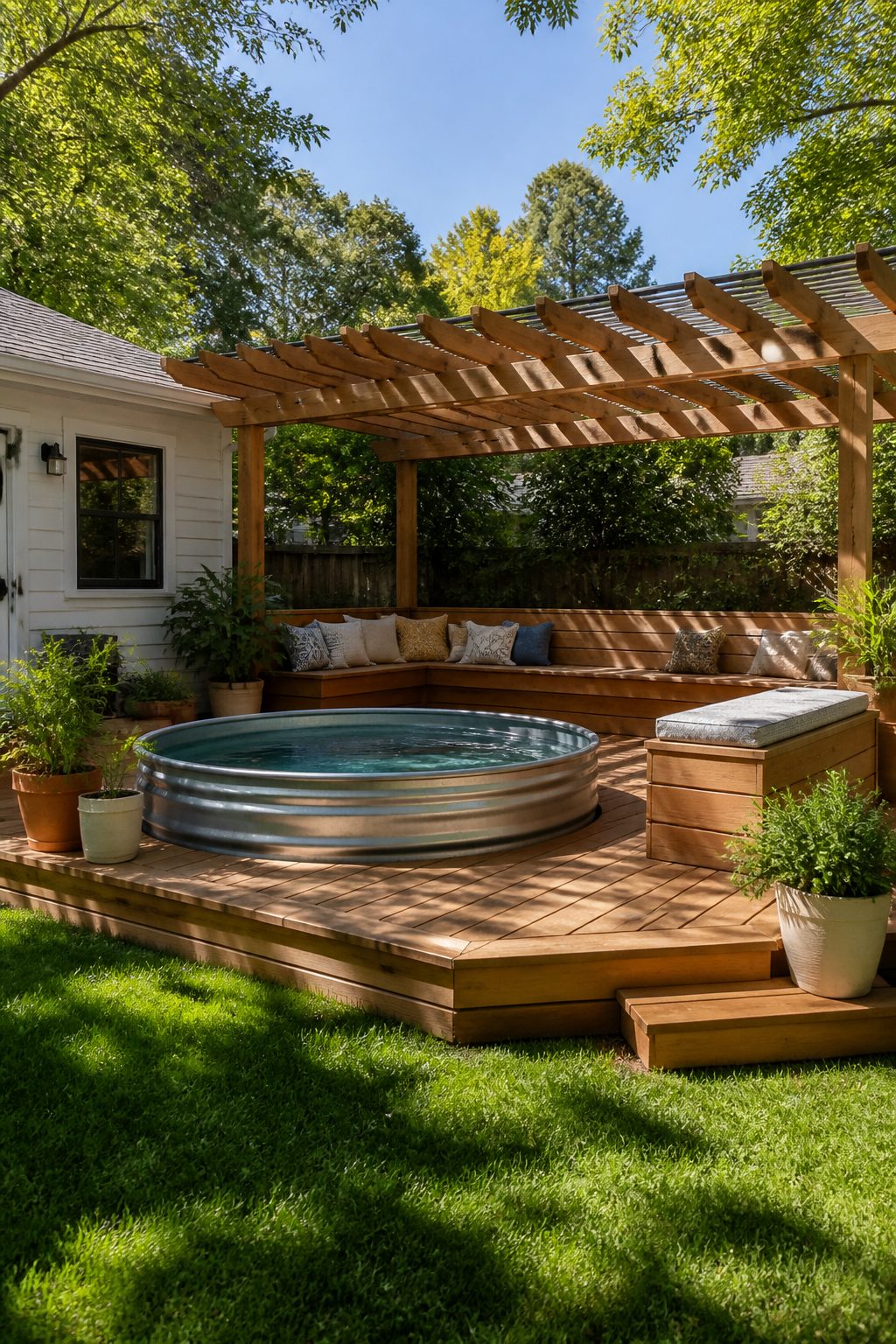
This brilliant upgrade takes the basic stock tank and makes it feel way more permanent. Homeowners dig out a shallow pit, nestle the tank partially underground, and build a custom deck around it.
The partial burial makes entry easier and creates better visual proportions. Most people dig down about 2 feet, which means the tank’s rim sits just 1-2 feet above grade.
Then they build out a generous wooden deck platform that can include built-in seating, storage benches, and even a pergola overhead.
The stained wood deck in warm tones contrasts beautifully with the metal tank. Add some outdoor furniture, maybe a fire pit nearby, and you’ve created a legit entertaining space.
Homeowners often plant ornamental grasses or bamboo in planter boxes integrated into the deck for privacy.
Design Elements That Elevate It:
- Composite or cedar decking in rich tones
- Built-in bench seating with storage underneath
- Pergola with retractable shade or climbing vines
- Integrated planters for privacy screening
- Outdoor shower station
This is the stock tank pool all grown up. The investment in decking makes it feel permanent and polished, but you’re still working with a sub-$5,000 budget.
5. The Lap Pool Built With Cinder Blocks
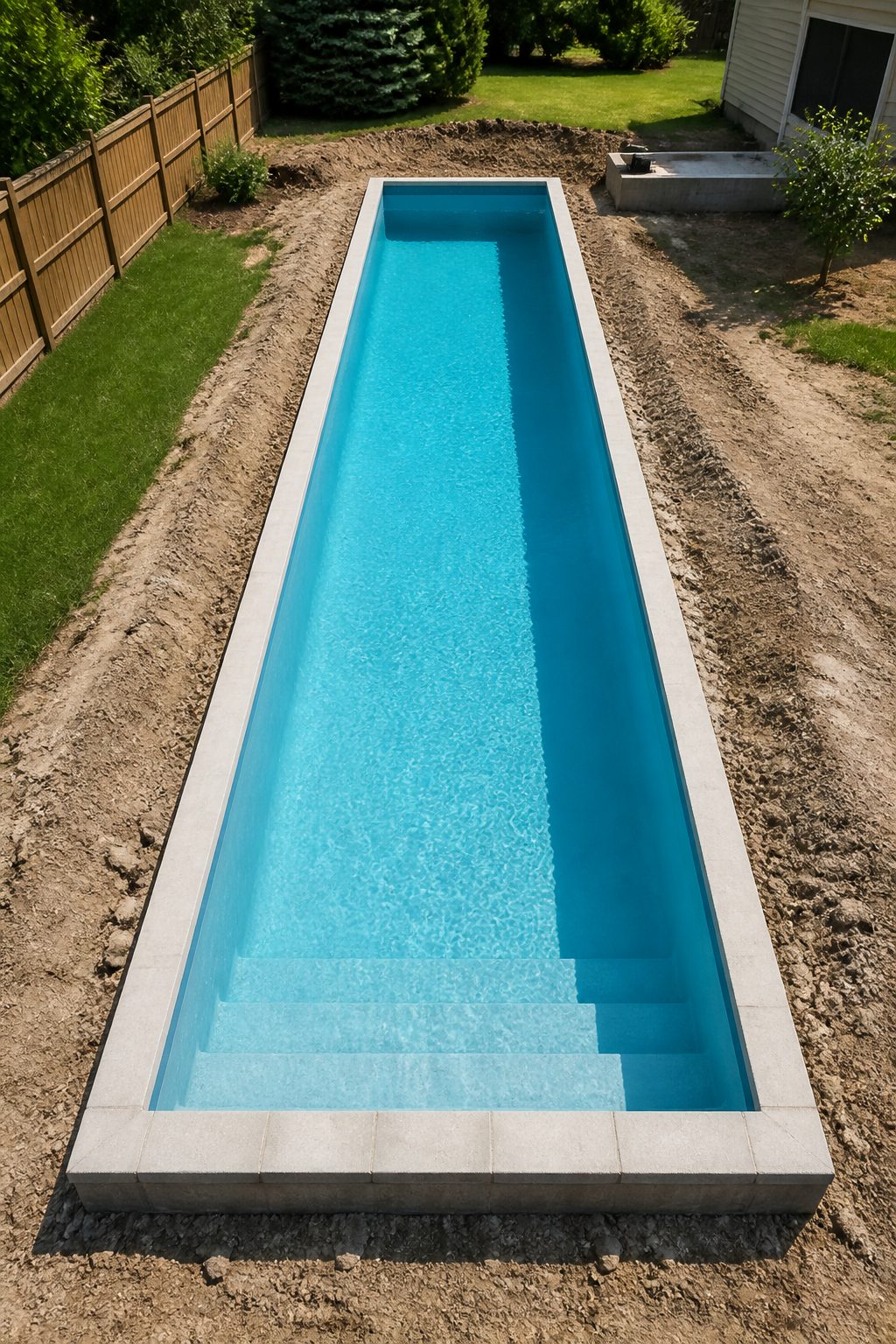
Determined DIYers are building actual in-ground lap pools using cinder block construction and waterproof coatings. Trust me, these are the real deal.
The typical design creates a long, narrow pool—usually 10 feet wide by 30-40 feet long. Homeowners excavate, pour a concrete footer, and stack reinforced cinder blocks to create the walls. After reinforcing with rebar and filling the block cores with concrete, they apply multiple coats of waterproof cement plaster or fiberglass coating.
The finished pool gets lined with either pool plaster in classic white or dark blue, or some brave souls install tile for a seriously upscale look. The coping usually features natural stone or poured concrete for clean lines.
What Makes This Work:
- Reinforced cinder block walls on concrete footer
- Waterproof cement plaster or fiberglass coating
- Pool-grade plumbing and filtration system
- Natural stone or concrete coping
- Modern tile or plaster finish
This is definitely the most ambitious project on this list, but homeowners who’ve done it saved literally tens of thousands compared to contractor quotes.
You’ll need construction knowledge and serious dedication, but the payoff is a legitimate permanent pool.
6. The Above-Ground Pool Disguised With Clever Decking
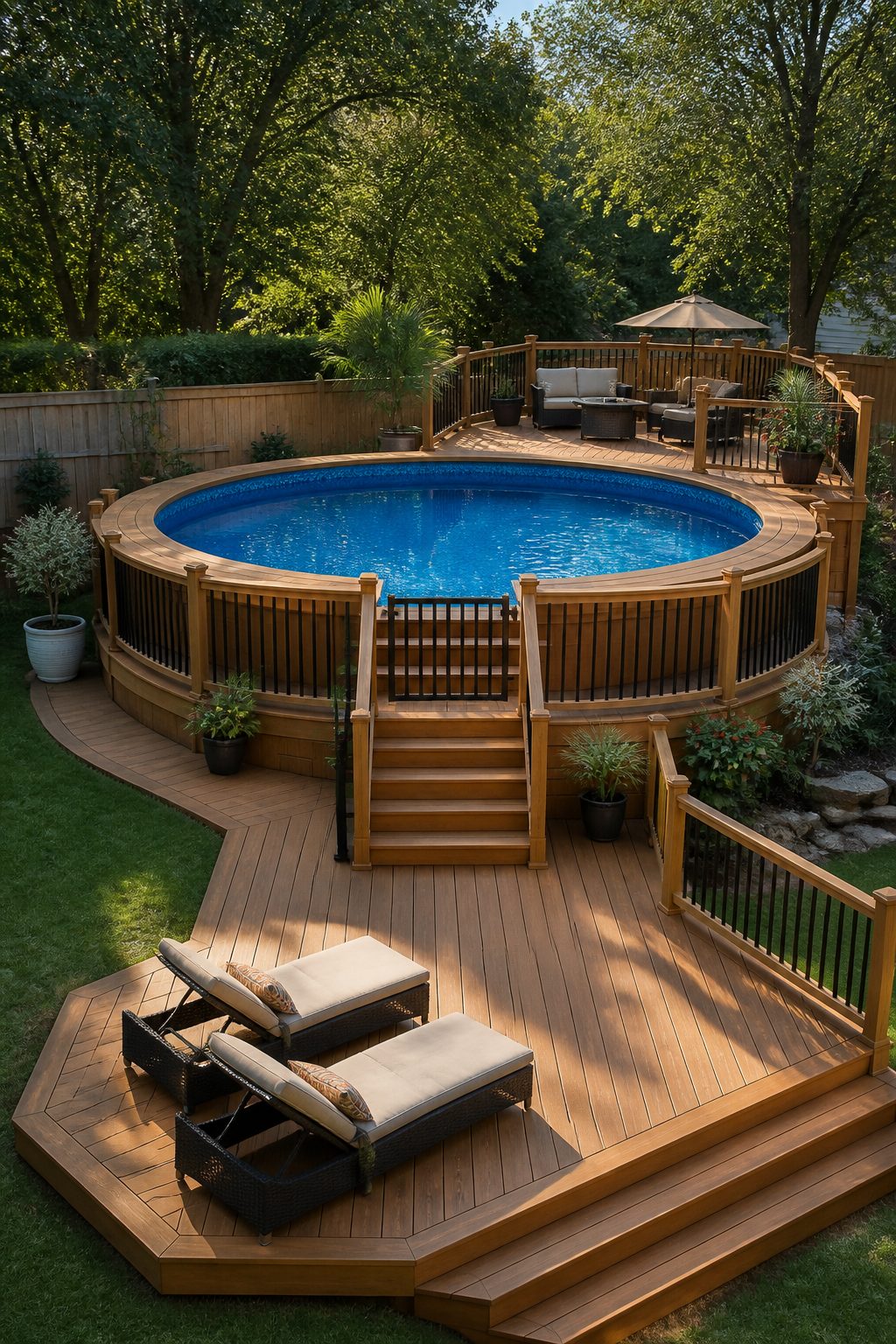
Here’s the thing about above-ground pools: they’re affordable and easy to install, but let’s be honest—they usually look pretty sad. Unless you disguise them with genius decking.
Smart homeowners buy a standard round or oval above-ground pool (the sturdy resin or steel models), then build a multi-level deck around it that completely transforms the aesthetic.
The deck typically sits at pool rim height, with built-in steps leading up and an entry platform with a gate for safety.
The magic happens with horizontal slat privacy screening that hides the pool walls entirely. Paint it in modern colors like charcoal gray, black, or sage green, and suddenly your budget pool looks incredibly intentional.
Add deck lighting, some lounge chairs, and container gardens on the deck, and you’ve created a resort vibe.
Deck Features That Make It Special:
- Multi-level composite or pressure-treated decking
- Horizontal slat screening to hide pool walls
- Built-in bench seating and planters
- Integrated LED deck lighting
- Pergola or shade sail overhead
This combo gives you the affordability and easy installation of above-ground pools with the polished look of something permanent. Homeowners love that they can take the pool if they move but leave the deck as a raised patio.
7. The Plunge Pool Built With Concrete Forms
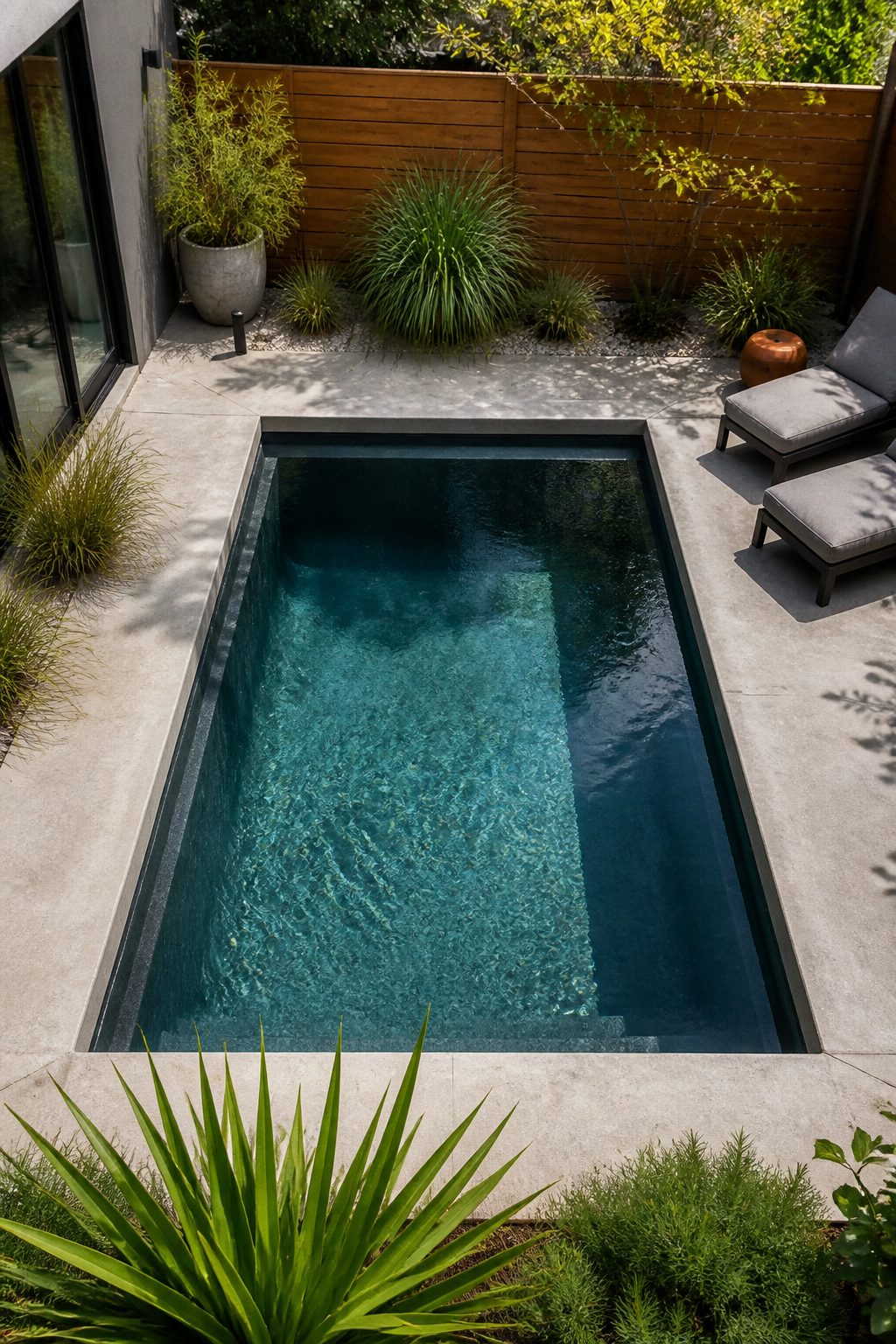
Small yards deserve pools too. DIY plunge pools use simple concrete forming techniques to create compact, deep pools perfect for cooling off.
These typically measure around 8×12 feet but go deeper than regular pools—usually 5-6 feet—so you can fully submerge. Homeowners dig out the hole, build wooden forms, and pour reinforced concrete walls and floor.
After the concrete cures, they apply waterproof coating and finish with either smooth plaster, pebble finish, or tile.
The aesthetic leans modern and minimalist. Think clean geometric shapes, glass tile in cool blues or grays, and simple stone coping. Many homeowners add a tanning ledge or built-in bench seating along one wall.
Key Design Elements:
- Compact footprint (typically 8×12 feet or smaller)
- Deeper than standard pools (5-6 feet)
- Poured concrete construction with reinforcement
- Glass tile or smooth plaster finish
- Minimalist stone or concrete coping
- Optional tanning ledge or bench seating
Urban homeowners especially love these for tight spaces. You get the full pool experience without sacrificing your entire yard. Plus, the smaller volume means lower chemical and heating costs.
8. The Pallet Pool With Boho Backyard Style
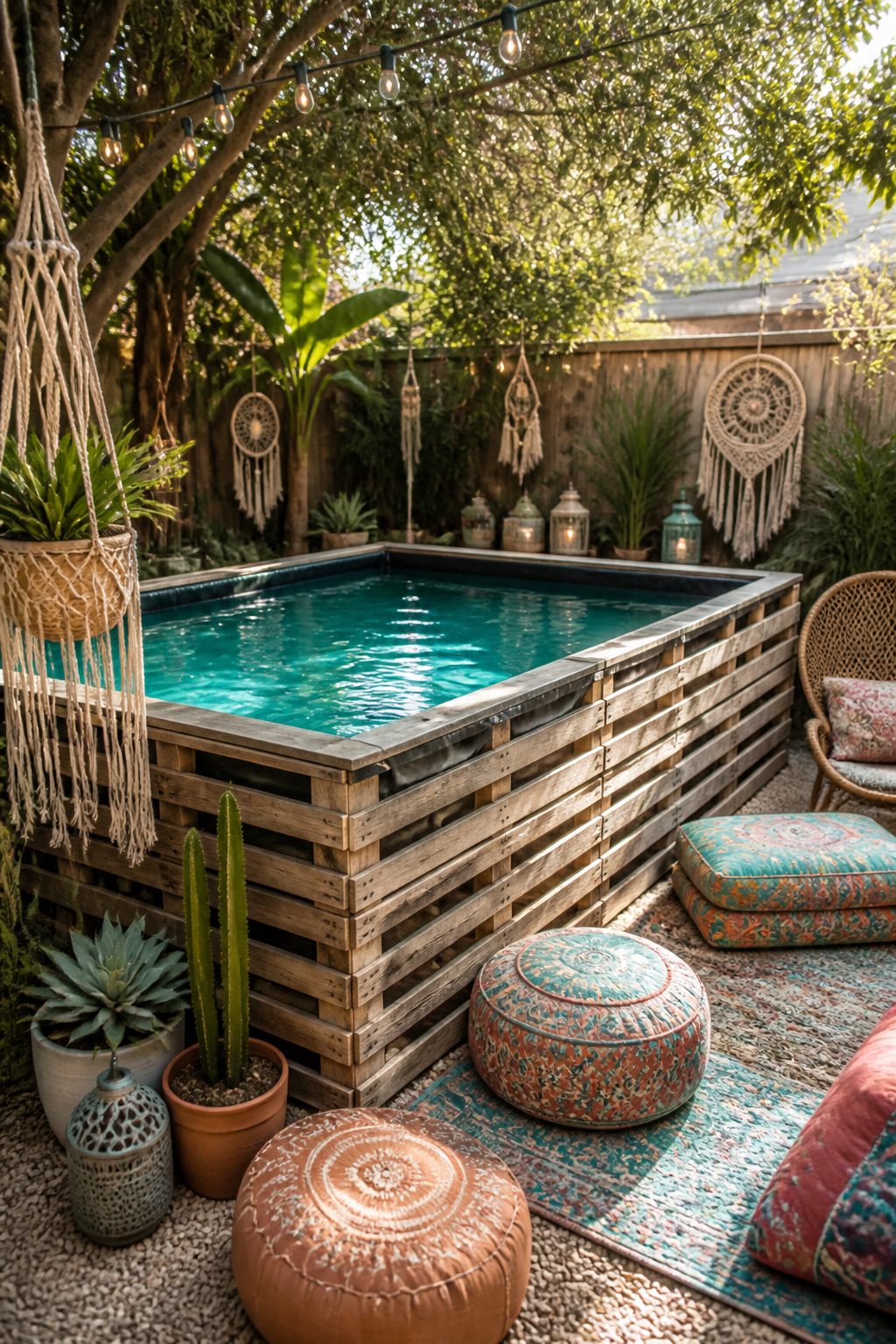
Got free wooden pallets and a sense of adventure? Crafty homeowners are building semi-permanent pool structures using pallets as the framework.
The construction uses stacked and secured pallets to create a rectangular or square frame, typically about 4 feet tall. After reinforcing with additional 2×4 bracing, they line the interior with heavy-duty pond liner or tarp material.
The pallet wood exterior can stay natural for a rustic look or get painted in fun colors like turquoise, coral, or white.
The boho styling comes from the surroundings: macramé hanging planters, string lights, outdoor floor cushions, and maybe a vintage ladder for entry. Plant tropical-looking plants like elephant ears and banana plants in containers around the pool.
What You’ll Need:
- Wooden pallets (heat-treated, not chemically treated)
- Heavy-duty pond liner or reinforced tarp
- 2×4 lumber for additional support and framing
- Small pump and filter system
- Paint or stain for exterior finish
FYI, this is more of a temporary summer solution than a permanent pool. Homeowners treat it as a fun weekend project that lasts a season or two. Perfect for renters or anyone who wants to test out pool ownership without major commitment.
9. The Converted Hot Tub Turned Cold Plunge
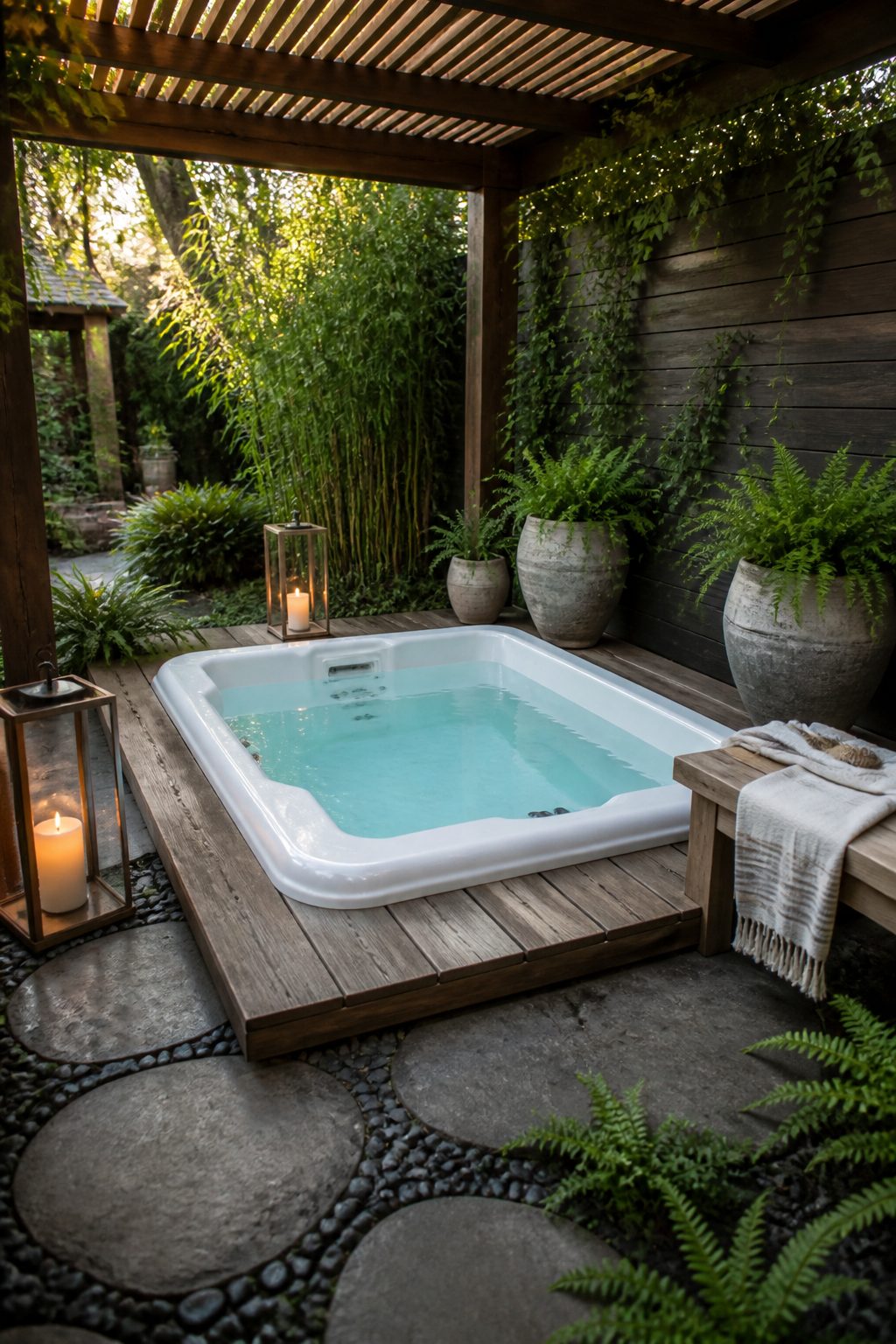
Here’s a brilliant repurposing idea: old hot tubs make excellent cold plunge pools. Homeowners are snagging free or cheap used hot tubs, removing the heating element, and creating wellness spaces.
The conversion is surprisingly simple. You disable or remove the heater, keep the filtration system running, and optionally add a chiller unit for seriously cold plunges. The existing jets can stay for a massage effect, or you can cap them for still water.
The aesthetic goes full spa retreat. Build a simple wooden surround or deck platform, add cedar screens for privacy, and landscape with zen garden elements like river rocks, bamboo, and Japanese maples. Some homeowners paint the hot tub exterior in matte black or deep gray for a modern look.
Conversion Features:
- Used hot tub with working filtration (heater removed or disabled)
- Optional chiller unit for cold therapy
- Cedar or composite deck surround
- Privacy screening with natural wood or bamboo
- Zen landscaping with rocks and minimal plantings
The wellness trend makes this incredibly relevant right now. Cold plunge therapy is having a moment, and this DIY version costs a fraction of purpose-built cold plunge tubs. Plus, you’re keeping a hot tub out of the landfill.
10. The Partially Buried IBC Tote Pool With Raised Beds
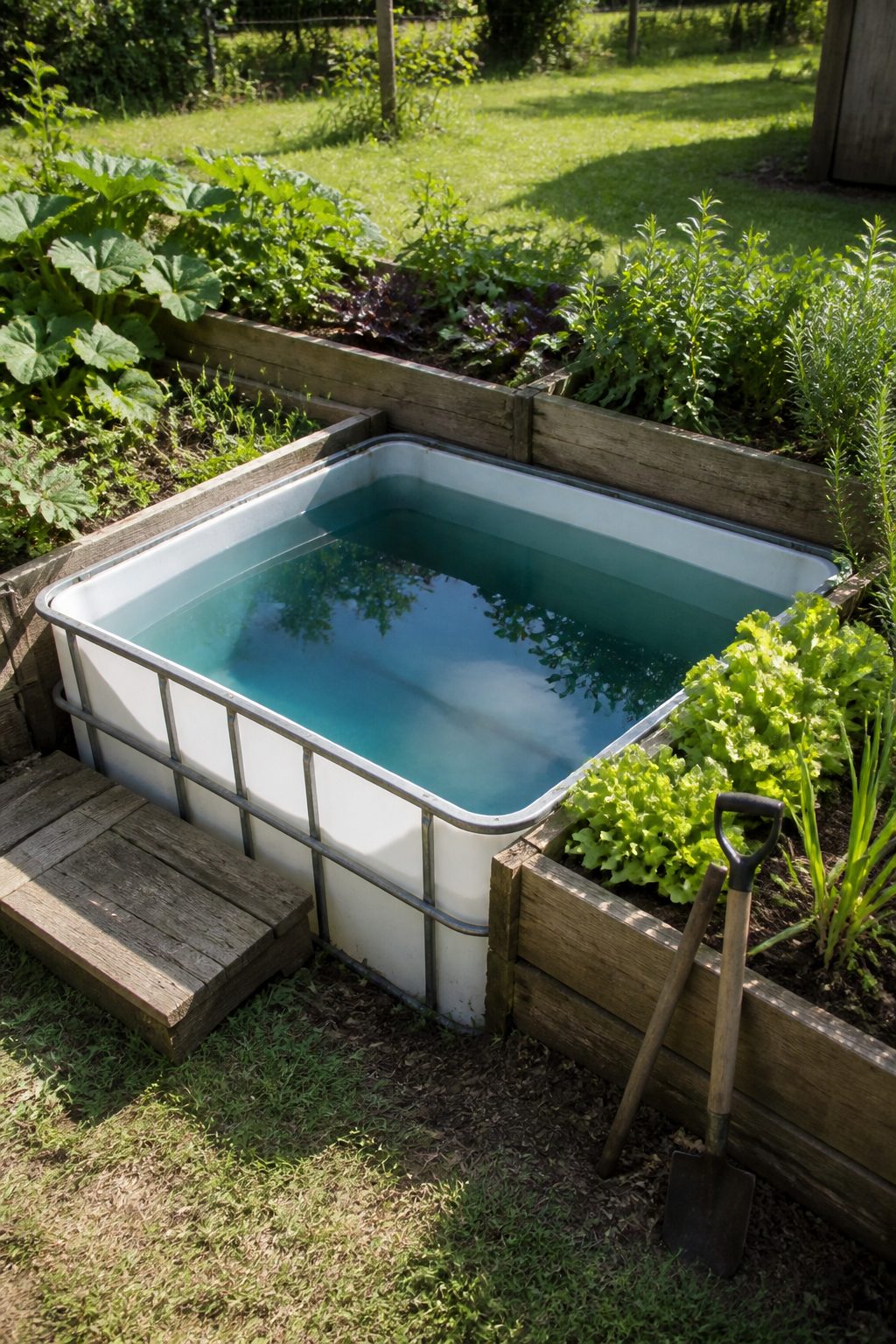
This is peak creative problem-solving. Homeowners are using IBC totes (those big plastic containers for liquids) as pool vessels by burying them partially and integrating them into raised garden bed systems.
The 275-gallon IBC tote gets cleaned, cut down to a comfortable depth (usually keeping it about 3-4 feet tall), and buried halfway into the ground. The metal cage that normally surrounds these totes either stays for structure or gets removed.
Then homeowners build raised garden beds around the perimeter using the same materials—
