How to Add Fish to a Backyard Pond Safely

Adding fish to a backyard pond requires proper water preparation, temperature control, and gradual acclimation to ensure your aquatic pets thrive safely. The process involves establishing a healthy nitrogen cycle, waiting 4-6 weeks before introduction, and following strict temperature-matching protocols to prevent fish shock.
Picture this: your backyard pond sits ready, water gleaming in the sunlight, and you’re eager to introduce colorful fish to bring life to your water feature. But rushing this step can lead to disaster.
Understanding the science behind pond setup transforms you from an excited beginner into a responsible fish parent who creates a thriving aquatic habitat.
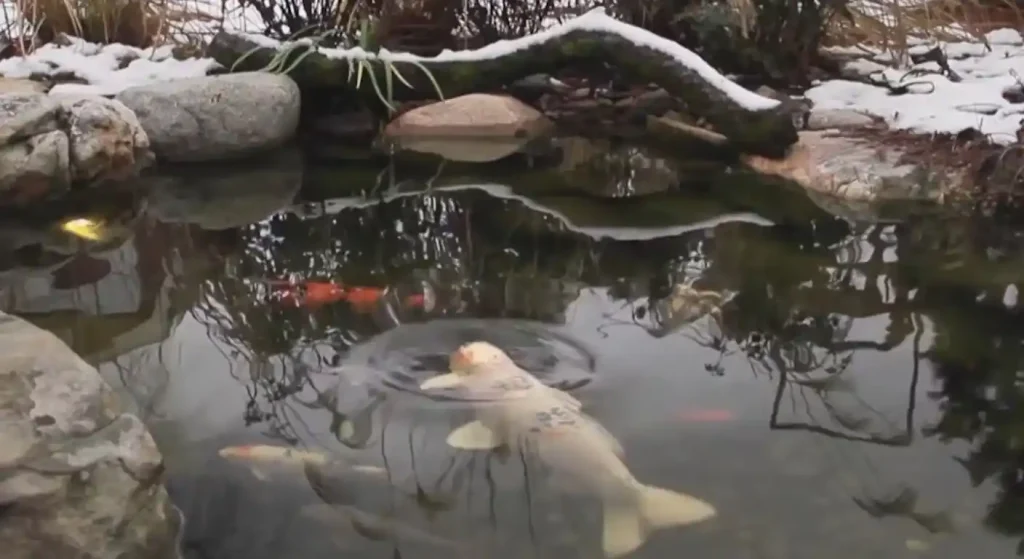
How Long Should You Wait Before Adding Fish to Your Pond?
Your new pond needs 4 to 6 weeks before introducing fish to establish the nitrogen cycle and reduce deadly ammonia levels.
When a pond is first started, it’s a good idea to wait 4 to 6 weeks before adding your fish to the pond because levels of ammonia and nitrites will be at an all-time high. This waiting period isn’t just a suggestion—it’s critical for survival.
Because so many biological processes are required, it generally takes six to eight weeks for a pond system to run through the nitrogen cycle.
During this time, beneficial bacteria colonize your filter and water, creating a natural waste management system.
Your fish produce ammonia through respiration and waste; without adequate bacteria to break this down into less toxic nitrates, your pond becomes a toxic environment.
Pro Tip: If you must add fish sooner, start with hardy species like goldfish in small numbers and perform frequent water changes to dilute toxins. Consider using beneficial bacteria supplements to jumpstart the cycle.
Can You Actually Put Fish in Any Backyard Pond?
Not every backyard pond is suitable for fish; your pond must have adequate depth, volume, proper water quality, and functioning filtration or natural purification systems.
Verify the pond is properly sized, has a functional filtration system, and is adequately aerated to support fish life.
Several factors determine whether your pond can safely house fish:
- Minimum depth: At least 24 inches at the deepest point, preferably 36 inches in cold climates for winter survival
- Volume requirement: Use the 10-gallon-per-inch-of-fish rule for calculating capacity based on full-grown size
- Water quality: pH level between 7.2 and 7.8, with regular testing for ammonia, nitrite, and nitrate levels
- Circulation: Some form of water movement, whether through pumps, fountains, or waterfalls
Adding fish to your backyard pond can significantly enhance its beauty and help create a peaceful, tranquil atmosphere.
However, a lot more goes into achieving the desired result than meets the eye.
Check your local regulations before adding fish, especially if your property borders natural water systems.
The Best Fish Species for Backyard Ponds
Goldfish and koi are the top choices for backyard ponds because they’re hardy, colorful, and can live for decades with proper care.
Different species suit different pond sizes and conditions:
For Smaller Ponds (Under 1,000 gallons):
Common goldfish and fancy goldfish varieties, such as comets, shubunkins, and black moors, are excellent choices for backyard ponds of all sizes.
They are hardy, and adaptable, and add a splash of color with their bright hues. These fish thrive in 12-24 inches of water and don’t require elaborate filtration if your pond is properly planted.
For Larger Ponds (1,000+ gallons):
Koi fish are perhaps the most iconic choice for backyard ponds, known for their stunning colors, calico pattern, and graceful movements. Large koi can live 20-30 years or more, and there are reports of some living longer than 200 years.
Bottom-Dwelling Species:
Channel catfish are a popular type of pond fish that are known for their bottom-dwelling behavior and are perfect for ponds with multiple types of fish since they are not a predator to other fish.
Pest Control Fish:
Fathead minnows are ideal for smaller ponds and help control mosquito larvae and algae.
| Fish Species | Ideal Pond Size | Water Depth | Lifespan | Special Notes |
|---|---|---|---|---|
| Goldfish | 500+ gallons | 12-24″ | 10-20 years | Hardy, beginner-friendly |
| Koi | 1,000+ gallons | 24-36″ | 20-200+ years | Social, require more space |
| Catfish | 1,000+ gallons | 24″+ | 10-15 years | Bottom feeders, algae control |
| Shubunkin | 500+ gallons | 18-24″ | 15-20 years | Hardy schooling fish |
Can Fish Survive in a Backyard Pond Without a Pump?
Fish can survive temporarily in a pond without a pump if the pond is heavily planted and not overstocked, but long-term survival requires aeration.
Goldfish can survive and even thrive in a pond with no filter or pump as long as you have a properly planted pond and don’t overstock your pond with goldfish.
The Reality:
While fish may be fine for a few days to weeks in a well-planted pond with no pumps or filters, they’ll quickly foul the water beyond the system’s ability to recover naturally.
Summer temperatures make pump failure especially dangerous—pump failure in summer poses a greater risk because elevated temperatures and increased fish activity heighten oxygen requirements, potentially leading to fish fatalities within 24 hours.
Natural aeration alternatives include:
- Oxygenating plants like anacharis and hornwort
- Water lilies and aquatic vegetation
- Small waterfalls or fountains
- Biological filtration with rocks and gravel
How to Prepare Your Pond for Fish (Water Quality & Cycling)
Proper pond preparation involves establishing beneficial bacteria, testing water parameters, and allowing 4-6 weeks for the nitrogen cycle to stabilize.
Plant various types of plants that grow above and below the water. Fill the pond with clean water.
Water from the sink is a better choice than garden hoses, which may leach toxins.
Preparation checklist:
- Wait for water temperature stabilization – When you fill the pond with water, let it sit for up to a week until it rises to normal temperatures. Doing this also allows the chlorine to evaporate.
- Add beneficial bacteria – Start the nitrogen cycle by introducing bacterial cultures that break down ammonia into nitrite, then nitrate
- Test water parameters – Check pH, ammonia, nitrite, and nitrate levels using test strips or kits before introducing fish
- Establish aeration – Aeration occurs naturally every time something disturbs the water, such as a waterfall or rain. You can also install a pond aerator system to initiate the process.
The Safe Temperature Range for Adding Fish
The ideal temperature for introducing fish is 65°F to 75°F, but fish can be added between 50°F and 85°F with proper acclimation.
The ideal range for introducing new fish is 65°F to 75°F, but it’s possible to safely add fish outside this range—as long as you take extra precautions.
Temperature mismatches cause “thermal shock,” which can kill fish instantly or weaken their immune systems.
A temperature of 60° f (15° C) or higher is ideal before adding fish, and not more than 15-degrees different than the water the fish are accustomed to.
Step-by-Step Process for Adding Fish to Your Pond
Follow this proven acclimation method to introduce fish safely and prevent shock or stress.
- Float the fish – Float the bag in your pond for 15–20 minutes to match the temperature, then slowly add small amounts of pond water to the bag over the next 15–20 minutes. Avoid direct sunlight that could overheat the bag.
- Equalize temperatures gradually – If you’re transferring for a container or bucket, add water from the pond water to the container gradually over a 30 minute time period.
- Let them enter naturally – Once temperatures match (within 1-2 degrees), the fish will swim out into their new home on their own.
- Choose the right timing – Choose a calm, quiet time to add the fish. Early in the morning, before neighbors start their yardwork is ideal.
- Quarantine new additions – Quarantine any additional fish for 3 weeks in a tank before adding them with other fish.
Conclusion
Successfully adding fish to your backyard pond requires patience, planning, and attention to water chemistry.
By waiting 4-6 weeks for your nitrogen cycle to establish, maintaining proper temperatures, and selecting appropriate fish species, you create a thriving aquatic ecosystem that brings joy and beauty to your outdoor space for years to come.
FAQs
Q: How many fish can I add to my pond?
A: Use the 10-gallon-per-inch-of-fish rule based on full-grown adult size. Never exceed this ratio to maintain water quality.
Q: Do I need a filter if I have aquatic plants?
A: While plants help naturally purify water, most ponds still benefit from mechanical filtration, especially with koi or heavily stocked ponds.
Q: Can I add goldfish and koi together?
A: Generally no—koi may eat smaller goldfish, and they have different space and temperature requirements.
Q: What’s the best time of year to add fish?
A: Spring or early summer (April-June) offers stable temperatures and allows fish to acclimate before winter.
Q: How often should I feed my pond fish?
A: Feed small amounts 1-2 times daily in warm months when fish are active. Reduce feeding in fall and stop entirely in winter when fish are dormant.