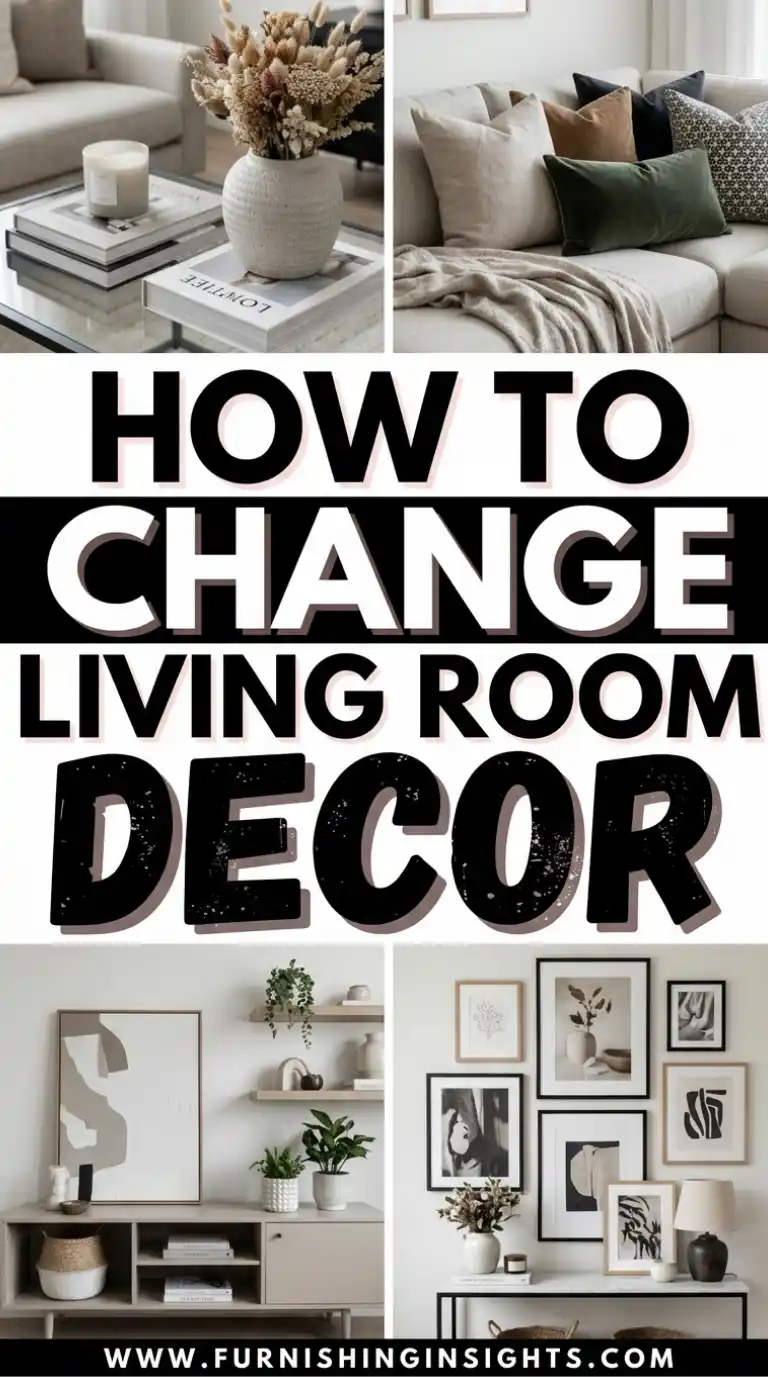
How to Change Living Room Decor: A Fresh Start for Your Home

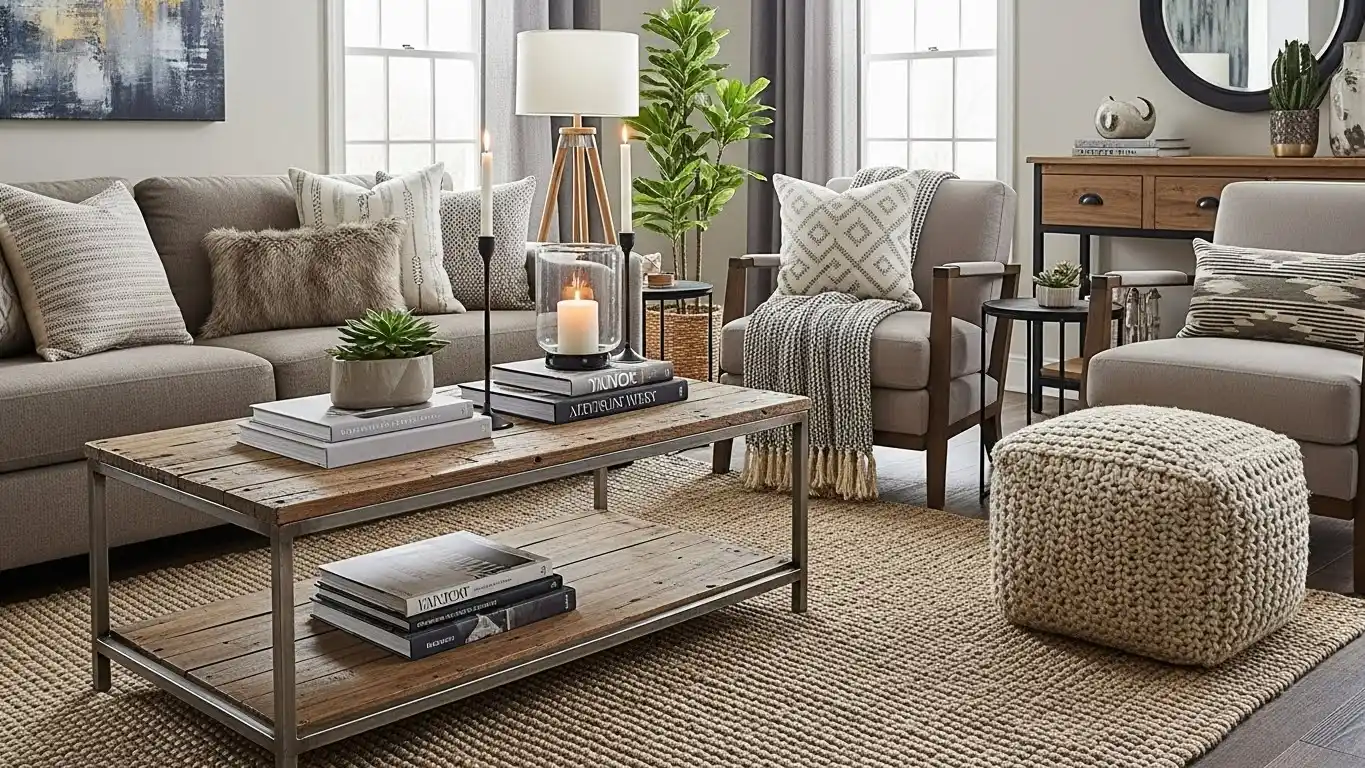
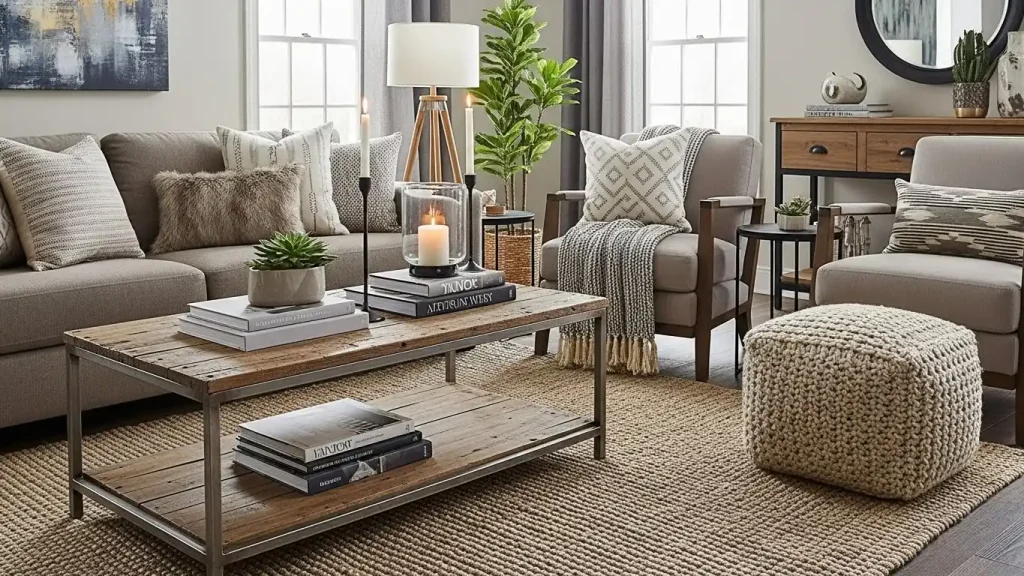
The living room is more than just a place to sit; it is the soul of the home. It is where we host movie nights, engage in deep conversations, and find a quiet corner to read.
However, because we spend so much time in this space, it is easy for the environment to become stale.
Over time, the furniture that once felt modern begins to look dated, and the color palette that felt vibrant starts to feel dull.
If you find yourself looking around your home and feeling uninspired, it might be time for a transformation.
Learning how to change living room decor effectively doesn’t always require a massive budget or a professional interior designer.
Often, the most impactful changes come from a mix of strategic planning, creative repurposing, and a few key investments.
In this guide, we will walk through the entire process of refreshing your living space from the ground up.
Assessment and Vision
Before you move a single chair or buy a new throw pillow, you must assess what you currently have.
A common mistake people make when trying to change their decor is buying items they love individually without considering how they fit into the collective whole.
Declutter and Edit
The first step in any decor change is to “edit” the room. Remove everything that doesn’t serve a purpose or bring you joy.
This includes old magazines, knick-knacks that have collected dust, and furniture that is broken or uncomfortable.
A clean slate allows you to see the architectural potential of the room without the distraction of clutter.
Define Your Style
Are you leaning toward a “Mid-Century Modern” look, or do you prefer the cozy, lived-in feel of “Organic Modern”? Perhaps you want a “Maximalist” space filled with color and history.
Use platforms like Pinterest or Instagram to create a mood board.
Look for recurring themes in the images you save—are you drawn to neutral tones, bold patterns, or natural wood finishes?
How to Change Living Room Decor: A Strategic Approach
Once you have a vision, it’s time to get tactical. Changing your decor is a multi-layered process that involves everything from the layout of the room to the smallest accessories.
1. Rearrange the Layout
The most cost-effective way to change the feel of a room is to move the furniture. We often get stuck in a “perimeter” mindset, where all furniture is pushed against the walls.
Try “floating” your sofa in the middle of the room to create a more intimate conversation area.
If your room is long and narrow, use furniture to create distinct zones—perhaps a reading nook in one corner and a TV area in the other.
2. Update Your “Anchor” Pieces
Your anchor pieces are the large items that define the room, such as the sofa, the coffee table, and the rug.
If your sofa is still in good structural shape but looks worn, consider a high-quality slipcover or professional reupholstery.
If you are buying new, choose a neutral color for these large items.
It is much easier (and cheaper) to change your decor style later by swapping out pillows than it is by buying a new neon-pink sofa.
3. The Power of Paint and Texture
Paint is arguably the most powerful tool in your DIY arsenal. A fresh coat of paint can make a room feel cleaner, brighter, or more dramatic.
- Light Colors: Whites, creams, and light grays reflect light and make the room feel larger.
- Moody Tones: Deep navy, forest green, or charcoal create a “jewel box” effect that feels cozy and sophisticated.
- Texture: If you don’t want to change the color, consider adding texture through limewash paint or a subtle grasscloth wallpaper.
Textiles and Comfort
Textiles are the “soft” elements of a room that provide comfort and visual warmth. If your living room feels “cold” or “echoey,” it’s likely because you lack sufficient textiles.
The Rug as a Foundation
A rug acts as the “fifth wall.” It anchors the furniture and defines the space. When changing your decor, ensure your rug is the correct size.
A common error is buying a rug that is too small, which makes the room look disjointed. Ideally, all the legs of your furniture—or at least the front legs—should sit on the rug.
Layering Pillows and Throws
This is where you can introduce trends without a huge commitment. If “terracotta” is the color of the season, bring it in through velvet pillows or a chunky knit throw blanket.
Mix and match patterns by varying the scale: pair a large-scale floral with a medium-scale stripe and a solid textured fabric.
Window Treatments
If you still have the basic plastic blinds that came with the house, upgrading to curtains will make a world of difference.
Hang your curtain rod “high and wide”—at least 6 inches above the window frame and extending several inches past the sides.
This makes the windows look larger and allows more natural light to enter.
Lighting and Ambiance
Lighting is often overlooked, but it is the primary factor in how a room “feels” at night. If you only have one bright overhead light, your room will likely feel harsh and flat.
The Three Layers of Lighting
- Ambient Light: This is your general overhead lighting.
- Task Light: Reading lamps next to a chair or a desk lamp.
- Accent Light: LED strips behind a TV, picture lights over art, or candles.
To truly change the ambiance, swap out your standard light switches for dimmer switches. Being able to lower the lights in the evening instantly creates a relaxing, high-end hotel vibe.
The Finishing Touches
The final 10% of decorating is what makes a house feel like a home. This is where you inject your personality.
Curating Wall Art
Don’t feel pressured to fill every wall immediately. A few large, meaningful pieces usually look better than a dozen small, cheap prints.
If you’re on a budget, frame vintage maps, pages from old books, or even beautiful pieces of fabric.
Incorporating Greenery
Plants are a living decor element. They add color, height, and a sense of vitality to the room.
If you don’t have a green thumb, look for “low-light” champions like the Snake Plant or the ZZ Plant.
If you have high ceilings, a tall Fiddle Leaf Fig or a Bird of Paradise can act as a natural sculpture in the corner of the room.
Personal Artifacts
Your living room should tell the story of who you are. Display items from your travels, a collection of vintage cameras, or your favorite coffee table books.
The key is to group these items in “vignettes” (small clusters) rather than spreading them out randomly, which can look like clutter.
Sustainable Decorating: Change Without Waste
In a world of “fast furniture,” it is important to consider the environmental impact of changing your decor. You don’t always need to buy new.
- Thrifting: Check local antique shops and Facebook Marketplace for high-quality wood furniture that just needs a little sanding and stain.
- Swapping: Host a decor swap with friends. That lamp you’re tired of might be exactly what your neighbor is looking for.
- Upcycling: Paint an old wooden coffee table black for a modern look, or change the hardware on a cabinet to give it a completely different personality.
Conclusion
Learning how to change living room decor is a journey of discovery. It requires patience and a willingness to experiment.
You might move your sofa three times before it feels “right,” or you might paint a wall a color you end up hating—and that’s okay.
Decorating is not about achieving perfection; it’s about creating a sanctuary that supports your lifestyle and makes you feel at peace.
By focusing on the big anchors first, layering in textiles for comfort, and finishing with personal touches and proper lighting, you can transform even the most tired living room into a vibrant, beautiful space.
Remember: your home should be a reflection of your life, so don’t be afraid to break the rules and choose items that truly resonate with you.