How to Decor a Rectangular Living Room

Rectangular living rooms are one of the most common layouts in modern homes, yet they are often the most challenging to decorate.
Their long and narrow shape can feel awkward, unbalanced, or difficult to arrange, especially when you’re trying to create a cozy and inviting atmosphere.
The good news is that with the right strategies, a rectangular living room can become a beautifully organized, functional, and visually appealing space.
In this detailed guide, we’ll explore practical design principles, furniture placement ideas, and decor tips to help you make the most of your layout.
Whether your living room is large and open or small and narrow, understanding how to decor a rectangular living room will allow you to transform it into a comfortable and stylish centerpiece of your home.
Understanding the Shape and Flow of a Rectangular Living Room
Before choosing furniture or decor, it’s important to understand how the shape of a rectangular living room affects movement and visual balance.
These rooms typically have one long wall and two shorter walls, which can sometimes create a “hallway” feeling if not styled thoughtfully.
Start by identifying key features such as windows, doors, fireplaces, or built-in shelving. These architectural elements often determine where furniture should go.
Next, think about traffic flow. You want to ensure people can walk comfortably through the room without weaving around furniture.
A well-decorated rectangular living room guides the eye and movement naturally from one end to the other, rather than emphasizing the length of the space.
How to Decor a Rectangular Living Room with the Right Layout
The layout is the foundation of successful decor. In a rectangular living room, furniture placement should aim to visually “break up” the long shape while maintaining functionality.
Create Defined Zones
One of the most effective techniques is zoning. Instead of treating the room as one long space, divide it into functional areas. For example:
- A main seating area for conversation or TV viewing
- A reading nook near a window
- A small workspace or console area at one end
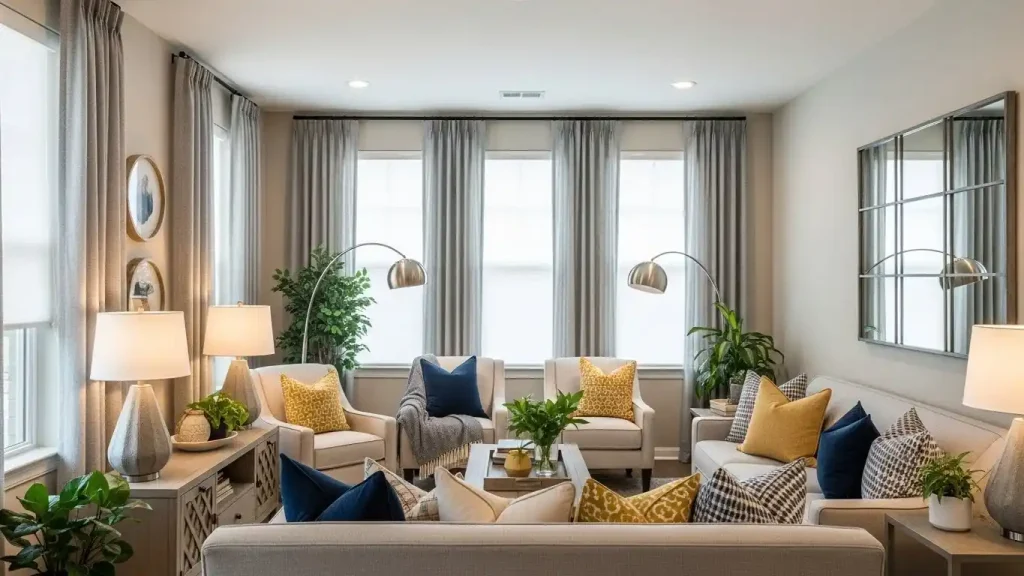
Area rugs are excellent tools for defining zones. A large rug under the seating area helps anchor the space and prevents it from feeling like furniture is floating aimlessly.
Avoid Lining Furniture Against the Walls
Pushing all furniture against the long walls can exaggerate the narrowness of the room.
Instead, float the sofa slightly away from the wall or place it perpendicular to the length of the room. This creates a sense of depth and makes the room feel more balanced.
Choosing the Right Furniture for a Rectangular Space
Furniture scale and shape matter greatly in rectangular living rooms.
Oversized furniture can overwhelm the space, while pieces that are too small can make it feel empty and disconnected.
Opt for Clean Lines and Versatile Pieces
Choose sofas and chairs with clean, simple lines. Sectionals can work well in rectangular rooms if they are appropriately sized and placed thoughtfully.
An L-shaped sectional positioned at one end can help define the main seating area without blocking flow.
Multi-functional furniture is also a smart choice. Storage ottomans, nesting tables, or slim console tables provide functionality without cluttering the room.
Balance Long and Short Elements
To counteract the long shape of the room, mix furniture pieces of varying orientations. For instance, pair a long sofa with round or square coffee tables.
Accent chairs placed across from the sofa help visually widen the space.
Using Color and Paint to Improve Proportions
Color is a powerful tool when learning how to decor a rectangular living room. The right color choices can visually adjust the proportions of the space.
Light and Neutral Tones
Light colors on walls help reflect natural light and make the room feel more open. Whites, creams, soft grays, and warm beiges are safe and versatile choices.
Accent Walls and Color Blocking
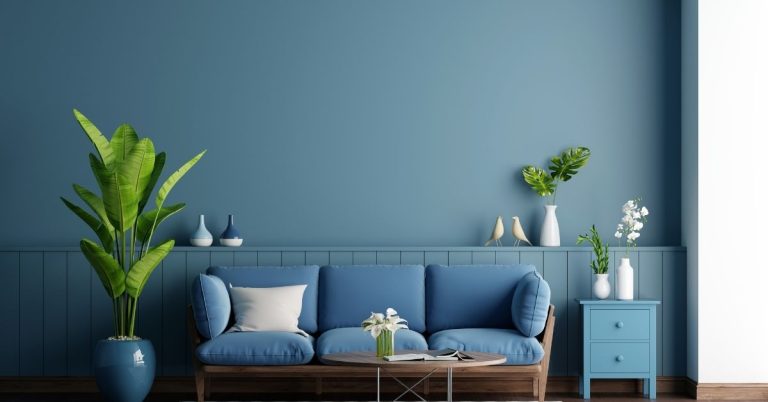
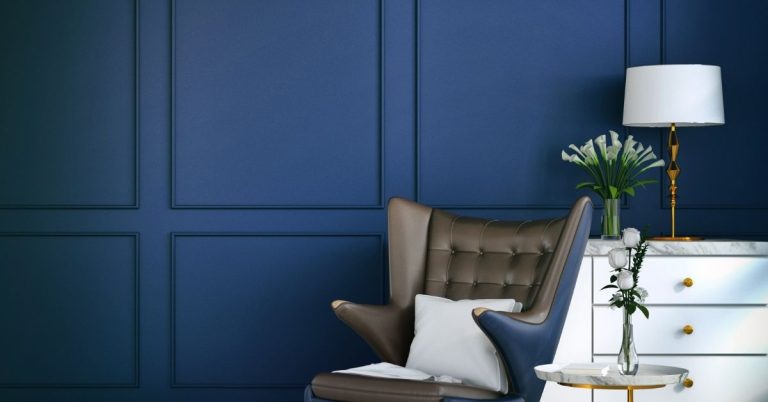
To reduce the tunnel-like effect, consider painting one of the shorter walls in a slightly darker or bolder color.
This draws the eye inward and makes the room feel less elongated. Alternatively, color blocking or subtle wallpaper patterns can add interest without overwhelming the space.
Lighting Strategies for Long Living Rooms
Lighting plays a crucial role in creating warmth and balance in rectangular spaces. Relying on a single ceiling light can make the room feel flat and uninviting.
Layer Your Lighting
Use a combination of:
- Ambient lighting (ceiling fixtures or recessed lights)
- Task lighting (floor lamps or table lamps)
- Accent lighting (wall sconces or LED strips)
Place lighting in different zones to ensure even illumination throughout the room. This also reinforces the sense of separate areas within one space.
Draw Attention Sideways
Wall sconces or table lamps placed along the shorter walls can help shift focus from the length of the room to its width, making it feel more balanced.
Decorating Walls Without Overcrowding
Wall decor should enhance the space, not emphasize its shape. In rectangular living rooms, less is often more.
Large-scale artwork on the long walls works better than multiple small pieces, which can create visual clutter.
On shorter walls, a statement mirror or vertical art can add height and interest.
Floating shelves can be used sparingly to display books, plants, or decorative objects, but avoid overloading them. The goal is to keep the room feeling open and breathable.
Rugs, Curtains, and Textiles for Visual Balance
Textiles add softness and comfort while helping to visually reshape the room.
Choose the Right Rug Size and Shape
A large rug placed perpendicular to the length of the room can visually widen the space.
Make sure the rug is large enough for at least the front legs of all main seating furniture to sit on it.
Hang Curtains High and Wide
Mount curtain rods close to the ceiling and extend them beyond the window frame.
This trick makes windows appear larger and adds vertical balance, which helps counteract the room’s length.
Layering cushions, throws, and textured fabrics adds warmth without crowding the space.
Adding Personality and Finishing Touches
Personal details bring life to a rectangular living room. Plants, books, artwork, and meaningful decor items make the space feel lived-in and welcoming.
Tall plants placed in corners soften sharp lines and add height. Decorative trays on coffee tables help organize smaller items, preventing visual clutter.
Remember to leave some empty space. Negative space allows the eye to rest and makes the room feel more refined and intentional.
Final Thoughts
Decorating a rectangular living room doesn’t have to be overwhelming.
By focusing on layout, zoning, balanced furniture placement, and thoughtful use of color and lighting, you can turn an awkward shape into a well-designed and comfortable living space.
Understanding how to decor a rectangular living room is about working with the room’s proportions rather than fighting them.
With patience and smart design choices, your rectangular living room can become a stylish, functional, and inviting space that feels perfectly suited to your lifestyle.