Why Are Bathroom Vanities So Short? The Surprising Truth

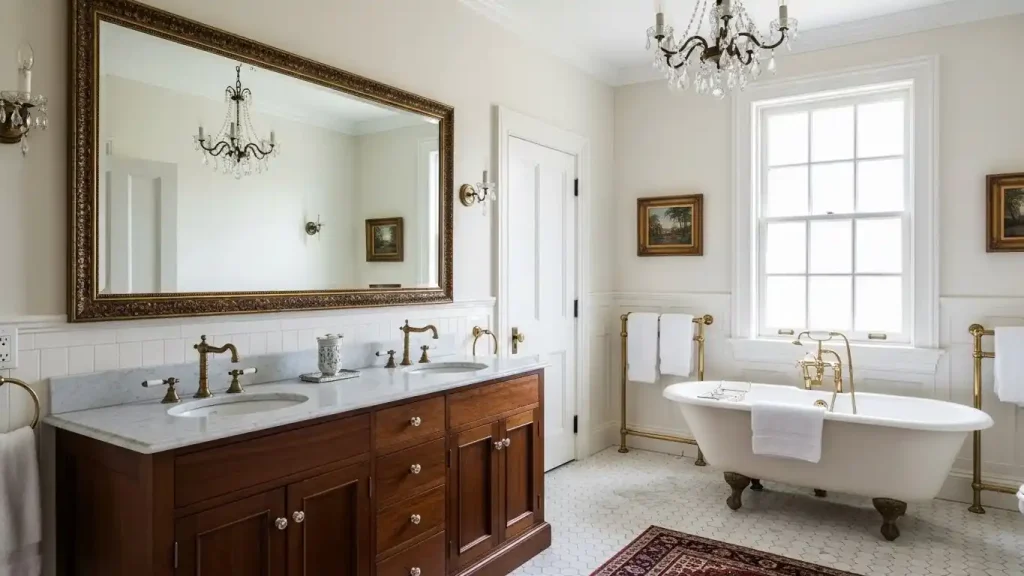
Walk into almost any traditional bathroom and you’ll notice a common design feature: the vanity often feels lower than kitchen counters or other work surfaces in the home.
Many homeowners renovating or redesigning their bathrooms pause at this detail and wonder why are bathroom vanities so short, especially when modern lifestyles seem to favor comfort, customization, and ergonomics.
Bathroom vanities are traditionally short due to historical design standards based on shorter average human height, ease of access for children, and reduced water splashing during use.
Modern comfort-height vanities exist, but older dimensions remain common due to building norms and manufacturing standards.
In this blog post, we’ll explore the origins of standard vanity heights, the functional reasons behind them, how they affect comfort, and why the industry is slowly shifting toward taller options.
Contents
- The Historical Origins of Bathroom Vanity Height
- Plumbing and Structural Considerations
- Accessibility and Universal Design
- Why Bathroom Vanities Were Designed Lower
- What Is the Standard Bathroom Vanity Height?
- Are Taller Bathroom Vanities Better?
- How to Make a Bathroom Vanity Taller
- Comfort vs.Habit: Why They Can Feel Awkward Today
- The Rise of Comfort-Height Vanities
- Design Aesthetics and Visual Balance
- Cultural and Regional Differences
- Customization: The Modern Solution
- Should You Choose a Taller Vanity?
- Final Thoughts
The Historical Origins of Bathroom Vanity Height
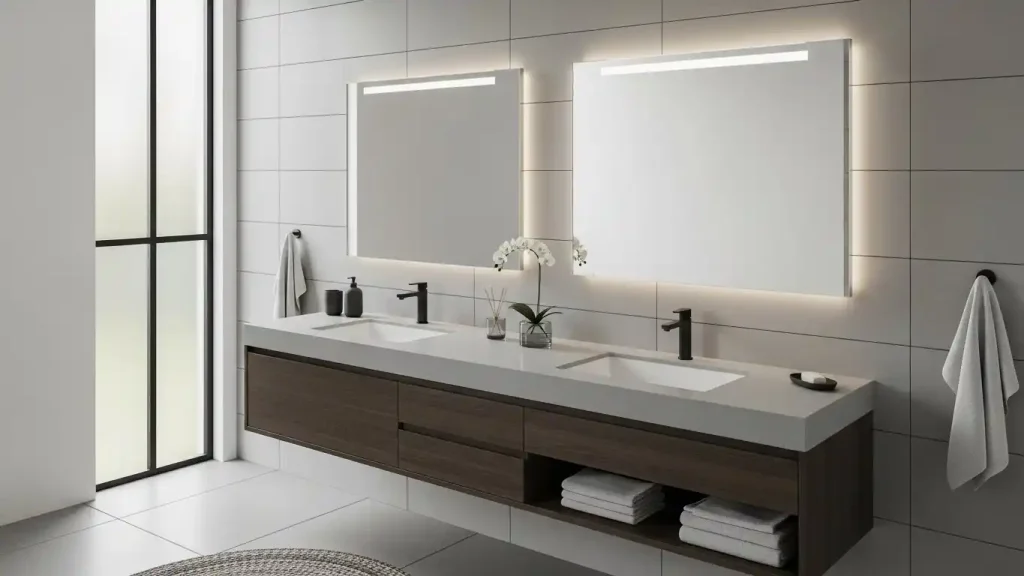
Bathroom vanities didn’t always exist in the form we recognize today.
In the early 20th century, bathrooms were purely functional spaces.
Sinks were often wall-mounted, and furniture-style vanities were rare.
When cabinetry began to be added beneath sinks, the height was largely influenced by existing furniture standards rather than ergonomics.
At the time, the average human height was shorter than it is today.
Designers based measurements on what seemed practical and economical, not necessarily on long-term comfort.
Over time, these early measurements became standardized, and manufacturers continued to reproduce them for consistency and cost efficiency.
Standard Measurements and Industry Norms
For decades, the standard bathroom vanity height has hovered around 30 to 32 inches from the floor to the countertop.
This height worked well with drop-in or self-rimming sinks, which add extra depth above the counter.
These dimensions became deeply embedded in building codes, manufacturing processes, and consumer expectations.
When builders construct homes in bulk, sticking to established standards reduces complexity and cost.
As a result, even as people grew taller and lifestyles changed, vanity heights remained largely the same.
Plumbing and Structural Considerations
Another key reason bathroom vanities tend to be shorter is plumbing.
Sink drains, P-traps, and water supply lines need space within the cabinet.
A lower vanity allows plumbers to install standard components without additional customization.
Additionally, bathroom floors often need to accommodate slopes for drainage, radiant heating systems, or tile thickness.
A slightly lower vanity ensures that everything fits without interfering with plumbing connections or structural elements behind the wall.
Accessibility and Universal Design
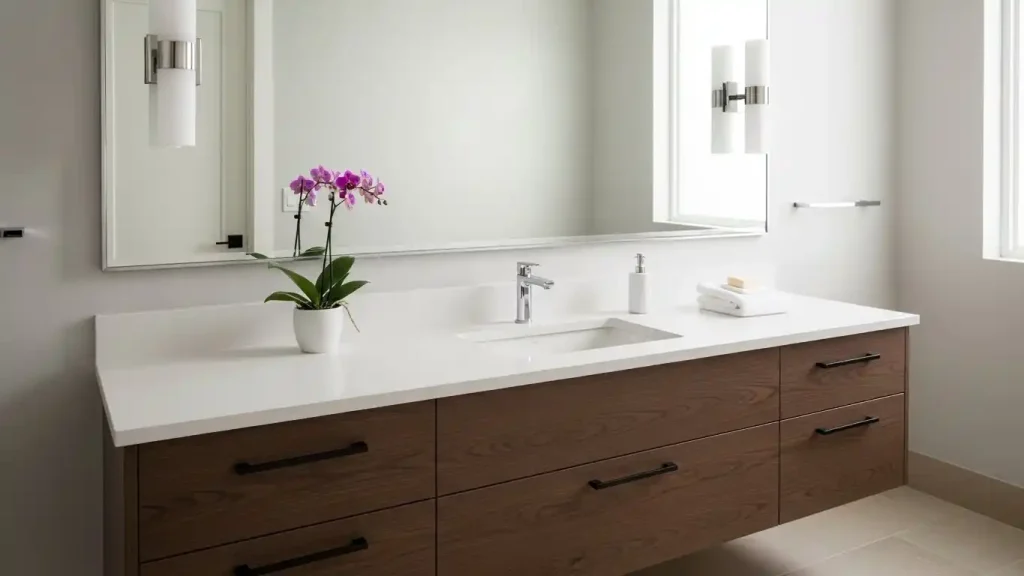
Shorter vanity heights have also been associated with accessibility.
Lower counters can be easier for children, individuals using wheelchairs, or those with limited mobility.
In family homes, especially those with young kids, a lower sink makes daily routines like brushing teeth or washing hands more manageable.
While modern accessibility guidelines now offer a wider range of recommended heights, the traditional lower vanity became a one-size-fits-most solution long before universal design principles were widely discussed.
Why Are Bathroom Vanities So Short?
If you’ve ever leaned over a bathroom sink and felt uncomfortable, you’re not imagining it.
Many homeowners today ask the same question: why are bathroom vanities so short compared to other surfaces in the home?
The answer lies in a mix of history, practicality, and design choices that no longer perfectly match modern lifestyles.
Let’s break down the main reasons behind short bathroom vanities and explore whether today’s homeowners still need to stick with traditional heights.
Why Bathroom Vanities Were Designed Lower
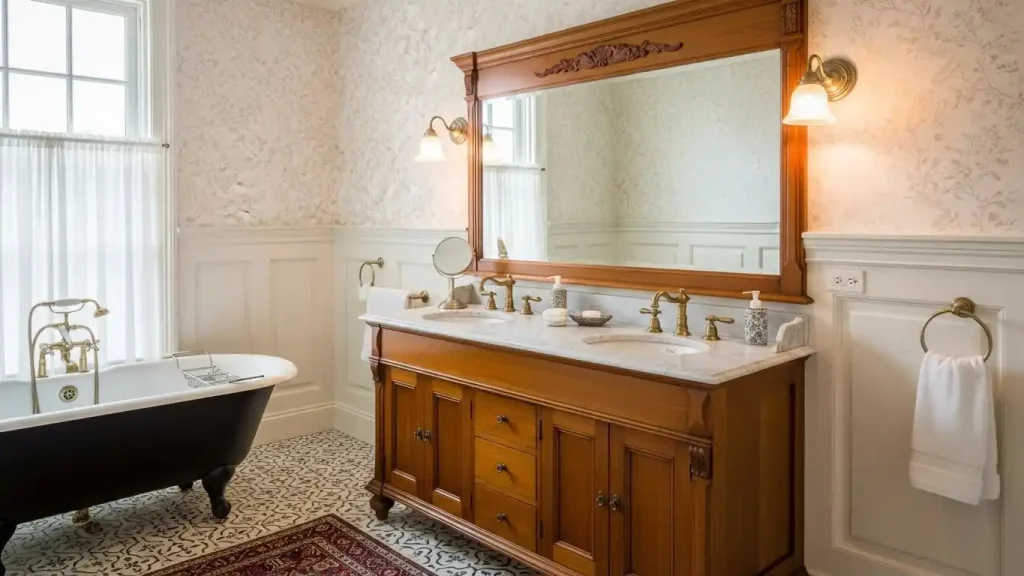
Bathroom vanities have traditionally been built at a height of about 30 to 32 inches.
While this may feel low for many adults today, there were practical reasons behind this standard.
1. People Used to Be Shorter
Over the last few centuries, average human height has increased due to better nutrition, healthcare, and living conditions.
Older furniture dimensions—including bathroom vanities—were designed when people were generally shorter, making the lower height more comfortable at the time.
2. Easier Access for Children
Lower vanities make it easier for children to reach the sink for everyday tasks like brushing teeth and washing hands.
This was especially important when step stools were less common and bathrooms were shared by the entire family.
3. Less Water Splashing
A lower sink naturally reduces splashing when washing your face or hands.
Leaning closer to the basin allows water to fall back into the sink instead of onto the floor or your clothes, which is particularly helpful in family bathrooms.
What Is the Standard Bathroom Vanity Height?
The traditional bathroom vanity height ranges from 30 to 32 inches, which is noticeably shorter than kitchen counters that typically measure 36 inches.
Kitchen counters are designed for extended use, while bathroom sinks were once used briefly and infrequently.
However, modern bathroom habits have changed.
Grooming routines now take longer, and many people experience neck or back discomfort from bending over low sinks.
Are Taller Bathroom Vanities Better?
Many homeowners now prefer “comfort-height” vanities, usually around 34 to 36 inches tall.
These reduce strain on the back and neck and feel more natural for adults, especially those of average or above-average height.
Taller vanities also offer extra storage space, which is a major bonus in smaller bathrooms.
How to Make a Bathroom Vanity Taller
If replacing your vanity isn’t an option, there are a few simple ways to increase its height:
- Add a platform or base beneath the cabinet
- Install furniture-style legs for extra height and visual appeal
- Use a thicker countertop or vessel sink to raise the working height
When adjusting height, always measure to the top of the sink—not just the countertop—to ensure comfort.
Comfort vs.Habit: Why They Can Feel Awkward Today
For many adults today, especially those over average height, bending over a low vanity can feel uncomfortable.
Tasks like shaving, applying makeup, or washing your face often require leaning forward, which can strain the back and neck over time.
The discomfort isn’t necessarily because the design is “wrong,” but because our bodies and habits have changed.
We spend more time at bathroom vanities than people did decades ago, using them as grooming stations rather than just functional sinks.
The Rise of Comfort-Height Vanities
In response to these concerns, manufacturers have introduced what are often called “comfort-height” or “tall” vanities.
These typically range from 34 to 36 inches high, similar to kitchen countertops.
Comfort-height vanities reduce the need to bend over and are especially popular in master bathrooms and luxury renovations.
They reflect a broader trend in home design: prioritizing ergonomics and personalization over rigid standards.
However, despite their growing popularity, they haven’t completely replaced traditional vanity heights due to cost, availability, and lingering building norms.
Design Aesthetics and Visual Balance
Another reason bathroom vanities have historically been shorter is visual balance.
Bathrooms are usually smaller spaces than kitchens, and a lower vanity can make the room feel more open and less crowded.
Designers often use mirrors, lighting, and wall space above the vanity to create a sense of height.
A taller vanity can sometimes dominate a small bathroom, making it feel cramped if not carefully planned.
That said, modern design techniques—such as floating vanities—are changing this perception.
A floating vanity can be taller while still maintaining a light, spacious feel.
Cultural and Regional Differences
Vanity height standards can also vary by region and culture.
In some countries, bathroom fixtures are generally lower, reflecting different average heights or cultural preferences.
In others, taller vanities are more common, especially in newer construction.
In the United States, the persistence of shorter vanities is largely due to long-established manufacturing practices and the influence of mass home building during the mid-20th century.
Customization: The Modern Solution
Today’s homeowners are no longer limited to one standard.
Custom vanities allow you to choose a height that suits your body, habits, and design preferences.
Whether you’re tall, short, or designing a shared bathroom for multiple users, customization offers flexibility that wasn’t widely available in the past.
Even semi-custom options now let you adjust cabinet height, countertop thickness, and sink type to achieve the perfect balance of comfort and style.
Should You Choose a Taller Vanity?
If you’re remodeling, the decision ultimately comes down to who will use the space and how.
A guest bathroom or powder room may benefit from a standard-height vanity that accommodates a wide range of users.
A primary bathroom, on the other hand, is an ideal place to prioritize personal comfort.
It’s also worth considering resale value.
While comfort-height vanities are increasingly popular, extremely customized heights may not appeal to every future buyer.
Finding a middle ground—such as a slightly taller-than-standard vanity—can be a smart compromise.
Final Thoughts
Bathroom vanities are short mainly due to outdated standards, accessibility for children, and practical concerns like water control.
While these reasons made sense in the past, modern homeowners are no longer limited to one-size-fits-all designs.
Today, comfort-height vanities offer better ergonomics and functionality without sacrificing style or resale value.
Whether you stick with a traditional vanity or upgrade to a taller one, the best choice is the height that feels right for you and your daily routine.


