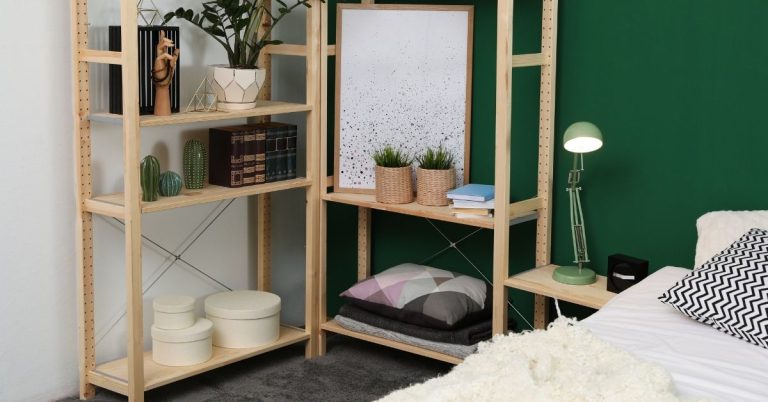
Blanket Storage Ideas to Maximize Space and Keep Throws Neat

Never let your blankets create clutter again! Discover these simple and chic blanket storage ideas for every space.

Blankets are one of those home essentials you can never have too many of—but they can quickly take over a space if you’re not careful.
From soft throws in the living room to extra quilts in the bedroom, knowing how to store them neatly is a game-changer.
The good news? There are tons of creative storage solutions that are both functional and stylish.
In this guide, we’ve rounded up 13 blanket storage ideas that will help you keep your cozy collection organized and your home looking effortlessly put together.
Contents
- Blanket Ladder Rack
- Woven Storage Baskets
- Under-Table Storage Bins
- Ottoman with Hidden Storage
- Wall-Mounted Blanket Hooks
- Wooden Cube Shelves
- Vintage Suitcase Storage
- Upholstered Blanket Chest
- Metal Wire Storage Baskets
- Rolling Cart Organizer
- Coffee Table with Built-In Storage
- Hanging Fabric Pockets
- Reclaimed Wood Blanket Ladder
- Choosing the Right Storage for Your Space
- Caring for Stored Blankets
Blanket Ladder Rack

I use a blanket ladder rack to keep throws neat and visible. It leans against a wall and holds several blankets without taking much floor space.
I pick ladders with wide rungs so blankets fold easily. Some ladders add a bottom shelf for books or small decor, which I find handy.
Woven Storage Baskets

I like woven storage baskets because they hold several blankets without looking cluttered.
They add texture and warmth to a room while keeping throws easy to grab.
I choose baskets with sturdy handles so I can move them between rooms. A lid helps hide extra blankets and keeps the space tidy.
Under-Table Storage Bins

I tuck shallow bins under my side table to keep throws handy without crowding the room.
Clear or labeled fabric bins make it quick to find the blanket I want.
Bins with wheels slide out easily, so I avoid tugging or lifting heavy items.
This spot works well in living rooms and entryways where I need both access and tidy storage.
Ottoman with Hidden Storage

I like using an ottoman that opens to hide blankets and throws. It gives me extra seating and keeps my room tidy without visible clutter.
A lift-top or hinged ottoman can hold several folded blankets. I choose a sturdy one with fabric or leather that matches my decor.
When I store blankets inside, I fold them flat to save space and protect them from dust. This keeps them ready for cold nights or guests.
Wall-Mounted Blanket Hooks

I use wall-mounted hooks to keep blankets off the floor and within reach.
They save space and work well in entryways, living rooms, or bedrooms.
I pick sturdy hooks that match my decor and can hold heavy throws.
Spacing them evenly makes the display tidy and easy to grab.
Wooden Cube Shelves

I like wooden cube shelves because they store blankets neatly and look warm in a room.
They work well stacked or fitted into a closet to save floor space.
I use fabric bins in some cubes to hide mess and keep dust off.
Open cubes show colors and textures, which helps me pick blankets quickly.
Vintage Suitcase Storage

I use vintage suitcases to store extra blankets on a bookshelf or under a bench.
They add charm and keep blankets dust-free while staying easy to access.
I line the interior with fabric to protect linens and add small labels so I know what’s inside.
For heavy blankets, I add small casters to move the suitcase more easily.
Upholstered Blanket Chest

I like an upholstered blanket chest for living rooms and bedrooms because it hides clutter and adds seating.
It holds several throws and can double as a bench at the foot of a bed.
I choose neutral fabrics that resist stains and feel durable.
A cushioned top makes it comfortable for sitting, while a hinged lid keeps blankets dust-free and easy to access.
Metal Wire Storage Baskets

I like metal wire baskets for blankets because they are sturdy and let air circulate. They work well in modern, farmhouse, and minimalist rooms.
I often choose baskets with handles for easy moving. Some have liners to protect delicate fabrics and hide clutter.
I use large baskets for extra throws and smaller ones for single blankets or throws by the sofa. They keep things tidy without taking up much visual space.
Rolling Cart Organizer

I use a rolling cart to keep blankets neat and easy to move between rooms. The shelves hold folded throws and smaller blankets without taking up closet space.
I tuck heavier quilts on the bottom and lighter throws above so the cart stays stable. Wheels let me roll linens to the couch or bedroom in seconds.
Coffee Table with Built-In Storage
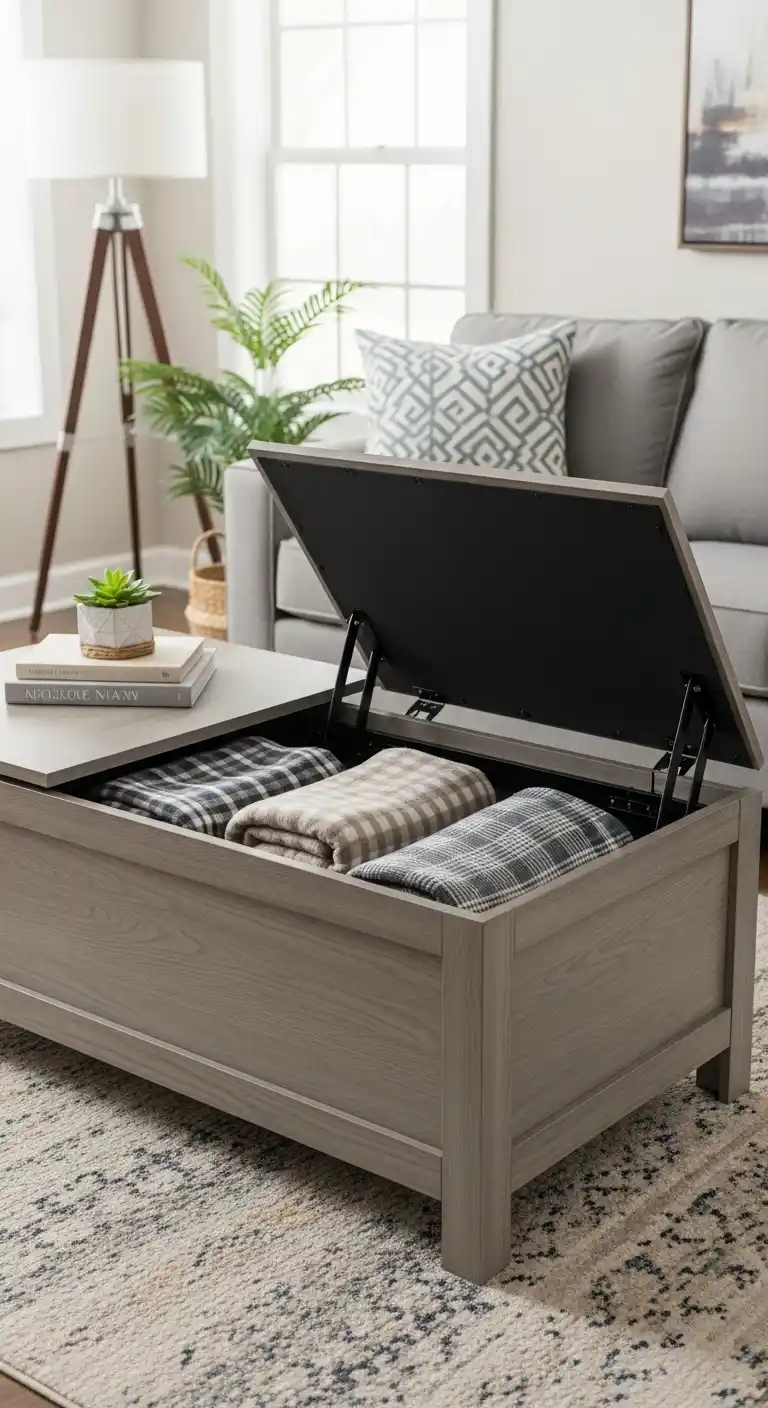
I like coffee tables that hide blankets inside. They keep the room tidy and make blankets easy to grab during movie nights.
A lift-top or drawer design works well in small spaces. I choose materials that match my decor so the table looks purposeful, not cluttered.
Some tables double as extra seating or a footrest. I look for smooth hinges and ample space so folding blankets fit without bulging.
Hanging Fabric Pockets

I use hanging fabric pockets behind doors or on closet rods to keep throws tidy and easy to grab.
They hold several folded blankets without taking floor space, and I can see colors through mesh or open-top pockets.
Installation is simple: hang on a door, curtain rod, or a wall hook. This keeps my blankets accessible and reduces clutter in living areas.
Reclaimed Wood Blanket Ladder

I like using reclaimed wood for a blanket ladder because it adds warmth and history to a room.
The worn texture hides scratches and gives a rustic, lived-in look that fits many decor styles.
I build ladders with sturdy rungs spaced for folded throws. They lean against a wall, take little floor space, and make blankets easy to grab.
I sand and seal the wood to keep splinters away while preserving the character of the grain.
Choosing the Right Storage for Your Space

I focus on how many blankets you own, their sizes, and the room’s style so storage fits both function and look.
Practical choices include under-bed bins, baskets, ottomans, or wall racks based on space, season, and how often I use each blanket.
Assessing Blanket Quantity and Sizes
I start by counting blankets and measuring them. Throw blankets (50″ x 60″) fold differently than queen or king-sized blankets, so I group by size to avoid wasted space.
I sort blankets by use: daily throws, guest bedding, and seasonal blankets. Daily throws stay accessible in living-room baskets or on a ladder.
Guest and seasonal blankets go into labeled bins or vacuum bags that slide under beds or into closets. I also check material and weight.
Bulky wool and quilts need breathable storage to prevent mildew. Thin cotton or microfiber compresses well in vacuum bags.
Finally, I leave a 10–15% margin in chosen storage to avoid cramming and make access easy.
Matching Storage Solutions to Home Décor
I choose storage that blends with my room’s look and adds function. For a modern room, I pick low-profile under-bed bins or a simple woven basket in neutral tones.
In a rustic space, a wooden ladder or wicker basket adds texture. I use a small table to hold an ottoman with internal storage in compact rooms.
The ottoman doubles as seating and keeps throws hidden. For visual interest, I layer folded blankets in open shelving and use coordinating colors or patterns.
I keep labels, tidy folds, and matching containers to maintain a neat appearance. This way storage looks intentional and supports the room’s style without adding clutter.
Caring for Stored Blankets

I keep stored blankets clean, dry, and easy to access by using simple steps that stop smells and fabric damage.
I focus on airflow, clean storage containers, and handling sensitive materials gently.
Tips for Preventing Mold and Odor
I always wash or air out blankets before storing them. This helps get rid of body oils and dirt that mildew loves to feed on.
For thick wool or heavy throws, I let them dry out in sunlight or near a dehumidifier. Usually, I give them at least 24 hours to be sure they’re really dry.
I store blankets in breathable containers like cotton storage bags or plastic bins with a few small vents.
If I have no choice but to use sealed plastic, I toss in a moisture absorber—maybe some silica gel packs or a little dehumidifier packet—and try to check on them every month.
Basements or attics? I steer clear unless they’re climate controlled. Most of the time, I go for a high shelf in a closet or stash blankets in under-bed fabric bags.
If a blanket starts to smell musty, I just rewash it with some vinegar or baking soda. After that, I dry it out completely in the sun or use the dryer on low heat.
Protecting Delicate Fabrics
I always treat wool, cashmere, and vintage blankets with extra care. To avoid stretching or abrasion, I hand wash them or use my machine’s gentle cycle with a mild detergent.
After washing, I lay them flat on a clean towel. That way, they keep their shape—no weird stretching or bunching.
When I need to stack fragile blankets, I roll them up with acid-free tissue between each layer. It’s a simple trick, but it really helps reduce creases and keeps fibers from rubbing.
For long-term storage, I stick with breathable archival boxes or cotton bags. Hanging? I avoid it, since that can stretch out delicate edges over time.
Twice a year, I check these items for pests or tiny stains. If I see moth damage, I isolate the blanket right away and either freeze it for 48 hours (sealed in plastic) or reach out to a textile cleaner for repairs.